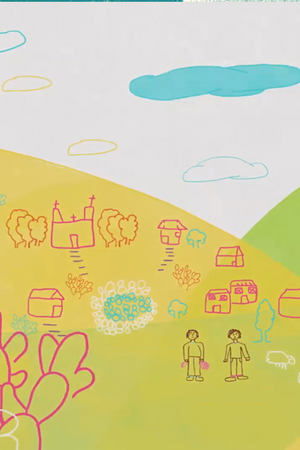
Picchu is a story that follows the journey of an Andean girl named Mayu and the unconditional support of her mother. The path will not be simple. Mayu will rely on her determination and her mother's teachings to overcome her fears and doubts to fulfill her destiny. Picchu reflects the reality of many children around the world.
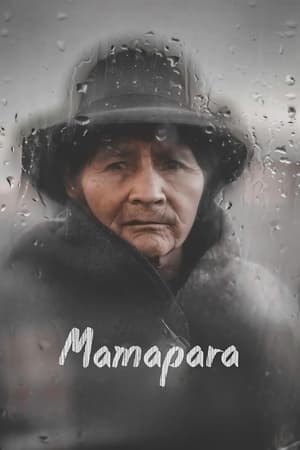
In a remote Peruvian city, lives Honorata Vilca, an illiterate woman of Quechua descent who sells candies more than 20 years ago, with the rain will cry to the sky itself.
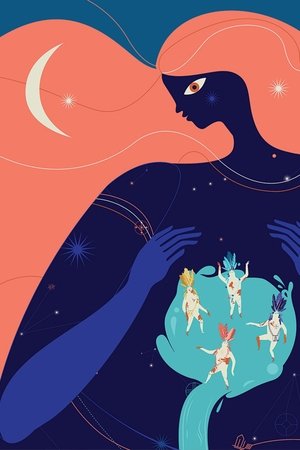
A little girl will have to sing to the mythical goddess of water so that this valuable liquid can reach her community.
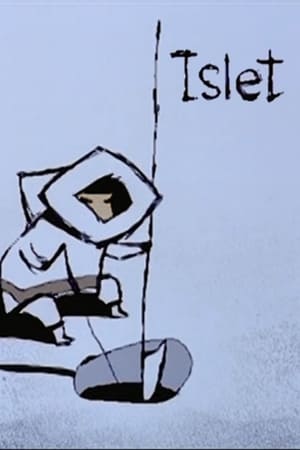
Combining figurative abstraction with magic realism, this animated short depicts a world in which whales fall out of the sky and fish turn into balloons. It is a black and white evocation of the real world, transformed by the director's special sense of whimsy. With bold lines reminiscent of the stark simplicity of Inuit art, this cautionary tale is a reminder of the interconnectedness of all things. We are all affected by the fate of the Arctic, which each year is disappearing a little farther into the ocean.
Thea is an 8-year-old Ojibwe girl who is in the process of learning how to speak her traditional language from her mother.
To gain his independence, a quick-tempered drug dealer must escape the shadow of his kingpin grandfather in a devout Native American community.
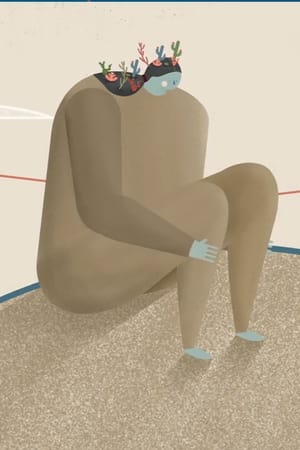
A stop-motion documentary that describes the artificial mummification (black and red mummies) of the Chinchorro culture, a pre-hispanic society of fishermen and hunter-gatherers who practiced funeral rites with sophisticated techniques for body preservation 7,000 years ago, originating on the Camarones coast of Chile.
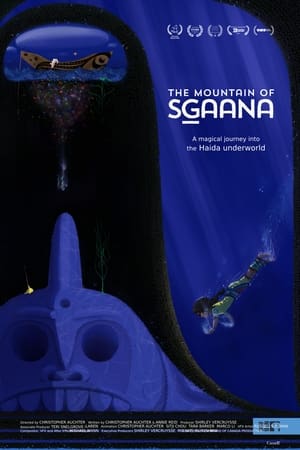
As a young fisherman cruises along a rugged shoreline, a tiny mouse in Haida regalia appears and starts to knit a blanket. A story unfolds on the blanket as it grows longer, illustrating the ancient tale of Haida master sea hunter Naa-Naa-Simgat and his beloved, Kuuga Kuns. When a SGaana (the Haida word for “killer whale”) captures the hunter and drags him down into a supernatural world, the courageous Kuuga Kuns sets off to save him. Will the lovers manage to escape the undersea Mountain of SGaana, or will they, too, become part of the Haida spirit world forever?
Mavis Dogblood is a Mohawk painter from Canada haunted by the tragic death of her husband, who was hit by lightning. She paints the stories he used to tell her, but she can’t come to grips with her loss. It is only after she drives to New York City for an art opening, traveling across what were her ancestors’ tribal lands, that Mavis reconciles herself to her new life.
Taqralik Partridge asks what if every language that had been lost to English — every word, every syllable — grew up out of the ground in flowers? Taqralik’s grandmother’s Scottish Gaelic and her father’s Inuktitut unfold in memories of her family, of pain, and of love.
At Archer’s Aunty Gladys’ funeral, he hears a tap on the window — it’s a bear named Jesus, who has come for Archer’s mom. “A Bear Named Jesus” is an allegory for religious interference, with an aching yet humorous look at estrangement and mourning for the loss of someone still living.
Xóchitl is an indigenous woman who must fight for her freedom before the birth of her baby, since she finds herself trapped in an abusive relationship. She will have to face a town full of prejudices and accomplices of her abuser. However, Xóchitl has the inner strength of her lineage, which will manifest itself in her favor.
Marina is a girl who discovers the legends and traditions of her ancestors on a magical journey through the nature that surrounds her and takes her to Shark Island. Short film spoken in the Comcáac language.
Felix gets into trouble with a tribe of Indians out west, and is chased by a bear.
A 12-year-old Congolese girl is taken to the mfinda, a primordial forest teeming with spirits, gods and ancestors. There she meets up with another young girl from a different time and together they set out to find the magical Nkisi, vessels that hold ancestral spirits as well as empowering materials or medicines, that will help her find her way home.
Based on the shamanic rituals in Mongolia and Siberia, this is a testament to the need to reclaim the ideas of animism for planetary health and non-human materialities.
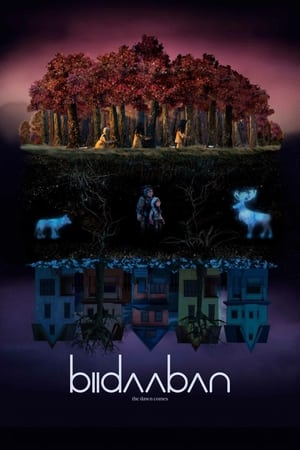
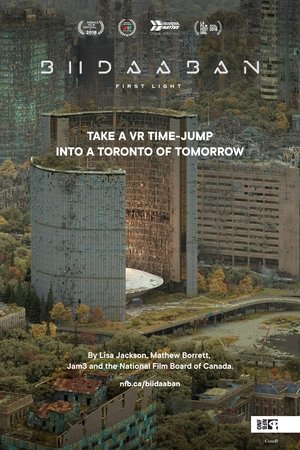
Accompanied by a 10,000-year-old shapeshifter and friend known as Sabe, Biidaaban sets out on a mission to reclaim the ceremonial harvesting of sap from maple trees in an unwelcoming suburban neighborhood in Ontario.
The big bad cats are the villains/Indians, and the little mice are the settlers going west in their little covered wagons, and the Indians are on a rampage about it. Things look dark indeed for the settlers when the likes of Buffalo Bill, General Custer and Daniel Boone are unable to defeat the attacking cats but...wait...up in the sky...here comes the singing, flying mouse...Mighty Mouse. Not recommended for Revisionists.
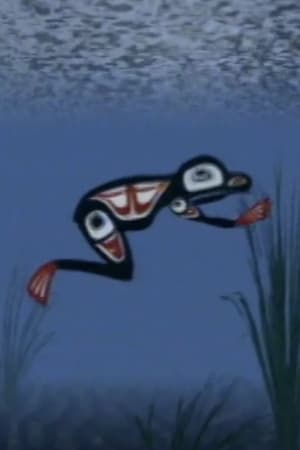
Traditional Northwestern Indigenous spiritual images combined with cutting-edge computer animation in this surreal short film about the power of tradition. Three urban Indigenous teens are whisked away to an imaginary land by a magical raven, and there they encounter a totem pole. The totem pole's characters—a raven, a frog and a bear—come to life, becoming their teachers, guides and friends. Features a special interview with J. Bradley Hunt, the celebrated Heiltsuk artist on whose work the characters in Totem Talk are based.
The Mapuche tribe asks their Gods for help in difficult situations, including illness and drought. When the Spanish conquerers on their horses invade their country, the indigenous people think that they are aliens. The Spaniards capture and enslave many of the Mapuche tribe. Lautaro, a young captured native, realizes that these aliens are human beings without any divine power. He learns to use their weapons and organizes a resistance movement against the intruders.