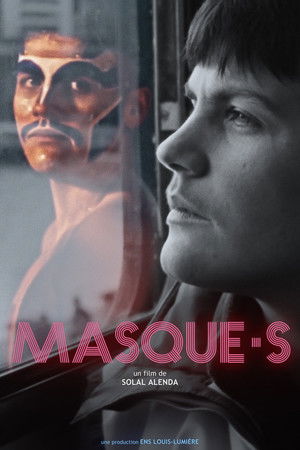
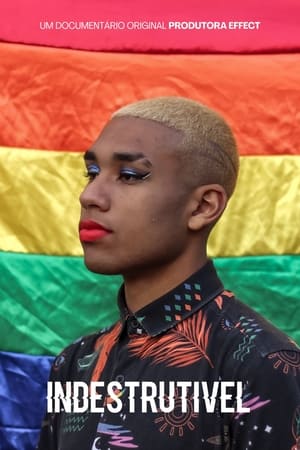
Al is a young drag king dealing with his transgender identity daily. He tries to express it through his shows and share with us his story, feeling and thoughts about it.
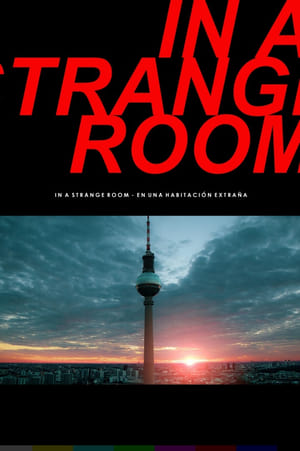
In the summer of 2008, Enzo travels to Berlin to work on a creative documentary and find a former lover.
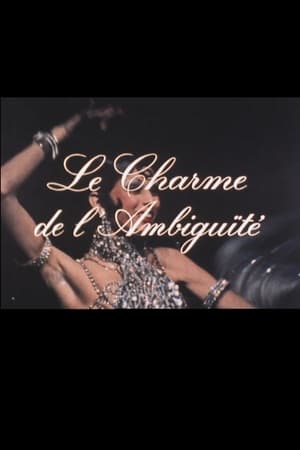
From transvestites to transformers, we will follow the trail that will lead us in different and famous Parisian music-halls, such as the mythical Alcazar of Paris, La Grande Eugène. Whether they are below or beyond their character, often these men who are looking for themselves look at life with the humor of despair. Why this need to "transform" themselves? Why is it always the men who cross-dress and not the women? Why did the public flock to these shows in the 1970s and 1980s? Interpretations of famous characters such as Diana Ross, Josephine Baker, Billie Holiday, the Peter Sisters, the Andrew Sisters, Zizi Jeanmaire, Judy Garland, Sarah Bernhardt, among others, contribute to making this musical document an essential testimony of this era.
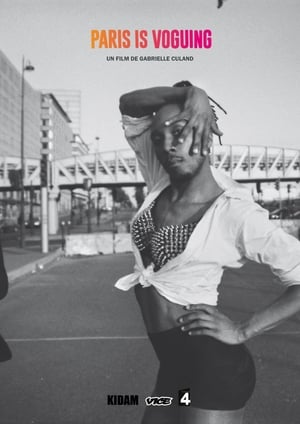
Born in Harlem between the '70s and' 80s, Voguing is a dance inspired by the models that appeared on Vogue magazine. At the time of its birth, young homosexuals, transgender and drag queen were Afro-American and Latino and they would confront themselves in improvised parades, to which Madonna and other popular singer-songwriters would later refer to. In the Paris of the years 2000s, Lasseindra Ninja is one of the most popular dancers, having learned in her youth all the tricks from the historic New York House of Ninja crew. Together with Stéphane Mizrahi the two initiate a new generation of drag queen and Parisian trans into Voguing.
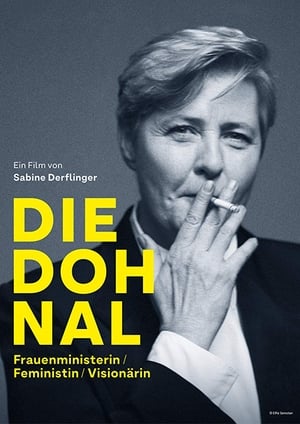
Johanna Dohnal, whose political career spans three decades, was one of the very first explicitly feminist politicians in Europe. As a member of the Austrian socialist government and the first Austrian minister for Women’s Affairs from 1990 to 1994, Dohnal was responsible for founding Austria’s first women’s refuge as well as criminalizing of marital rape. Yet her legacy remains yet to be discovered and re-examined. DIE DOHNAL makes a first step, and it makes Dohnal come alive.
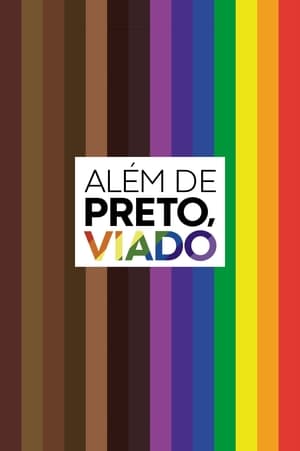
This film addresses issues related to black gay men, inside and outside the LGBTQ+ movement. Hypersexualization of black bodies, loneliness, racism and homophobia are examples of the topics covered. Thus, we seek to discuss, at different times, the experiences of these subjects and their characteristics.
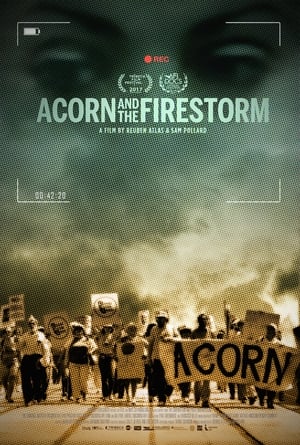
For 40 years, the community-organizing group ACORN advocated for America’s poorest communities, while its detractors accused it of promoting the worst of liberal policies. Riding high on the momentum of Barack Obama’s presidential victory in 2008, ACORN was at its political zenith when a hidden-camera video sparked a national scandal and brought it crashing down. The story involves voter fraud, a fake prostitute, and the rise of Breitbart.com.
Why does the Mexican government consider the feminist movement a bigger threat than most drug cartels? The short documentary 'SANGRE VIOLENTA / SANGRE VIOLETA' interweaves three narratives, illuminating the motivations behind their activism in Mexico. These stories include a radical feminist collective, an inspiring survivor of an acid attack, and a grieving father who tragically lost his seven-year-old daughter to femicide.
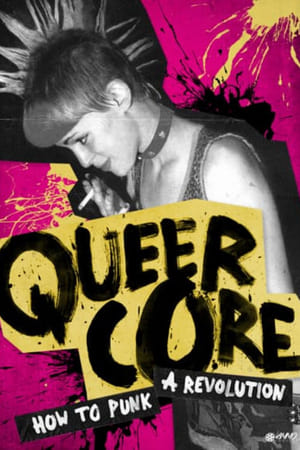
A documentary on Queercore, the cultural and social movement that began as an offshoot of punk and was distinguished by its discontent with society's disapproval of the gay, bisexual, lesbian and transgender communities.
This highly controversial documentary, aired as part of the CBS Reports series, ostensibly covers the growing influence of the LGBT community in San Francisco circa 1979. Critics have rebuked the program for its characterization of the sexual practices of gay men, while organizations such as the Moral Majority referenced it in campaigns against gay rights ordinances.
An innovative and charismatic influencer is suddenly exiled from her community of creative partners and colleagues when she states an opinion that she did not know was “unacceptable” in their eyes.
Award-winning director Yoav Shamir (Defamation, Checkpoint) sets out on an entertaining and insightful international quest, exploring the notion of heroism through a multi-faceted lens. From ordinary heroes to freedom fighters, primates to humans, behavioral scientists to geneticists, even Ayn Rand to Raelians, Shamir leaves no stone unturned, and along the way unveils the fundamental truths of human nature.
He is a sensitive boy who represses his true personality. After experiencing traumatic experiences, our protagonist begins to open to the world on a journey that made him the person who is. This is not the complete story, but shows a trajectory of overcoming and change.
Documentary Chronicling the making of Artists United Against Apartheid “Sun City”
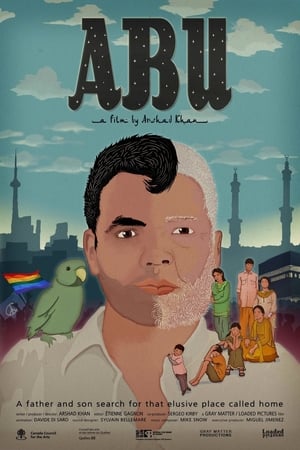
As a gay man, filmmaker Arshad Khan examines his troubled relationship with his devout, Muslim father Abu. Using family archives and movies, Khan explores his struggle with his identity and compares it to his parents attempts to fit into Canada.
A documentary that proposes to create a dialogue between LGTBQ+ of different ages to show and discuss the challenges of aging as part of this community.
A student, initially serving as a director, filmed his LGBTQ+ teacher but eventually became personally involved in drag. What began as an observer's stance transformed into active participation in drag. Through self-engagement in drag, the director assumed the identity of Rachel and seized an opportunity for a dialogue with self-identity. This experience led to an awareness of the conflicting dialectics between societal frameworks and personal identity. The director embarked on multiple attempts to coexist with and showcase the multifaceted aspects of the transformed, drag persona.
Alma is a trans woman who was born in Santa Rosa, a small town in the province of Córdoba, Argentina. Before making the decision to change her gender, she served in the police forces of her province, married twice and had four children. At the age of 36, she decided to travel to the city of Buenos Aires to begin her transformation and gender reassignment process, thus fulfilling her desire to live her identity freely.
When filmmaker Debra Chasnoff faces stage-4 cancer, she turns her lens on herself and the disease. What emerges is a portrait of her extended LGBTQ family —a story about hanging on while letting go.
An examination of Chicago's lost lesbian bars, why they've disappeared, and what comes next.