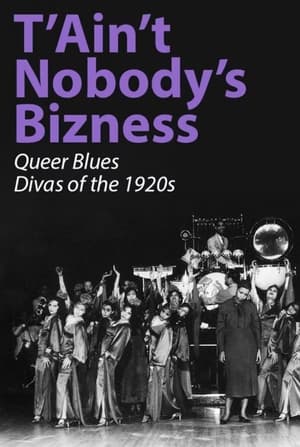
The 1920s saw a revolution in technology, the advent of the recording industry, that created the first class of African-American women to sing their way to fame and fortune. Blues divas such as Bessie Smith, Ma Rainey, and Alberta Hunter created and promoted a working-class vision of blues life that provided an alternative to the Victorian gentility of middle-class manners. In their lives and music, blues women presented themselves as strong, independent women who lived hard lives and were unapologetic about their unconventional choices in clothes, recreational activities, and bed partners. Blues singers disseminated a Black feminism that celebrated emotional resilience and sexual pleasure, no matter the source.
Szirtes's masterful experimental work is a dazzling composition of several years of filming within an industrial macro/microcosm, an abstract model of revolution and the beauty of daybreak.
A depiction of a girl’s uneasy state of mind as it wavers between life and death.
A boat builder and his family attempt to set sail in his handmade boat, 'The Damfino'.
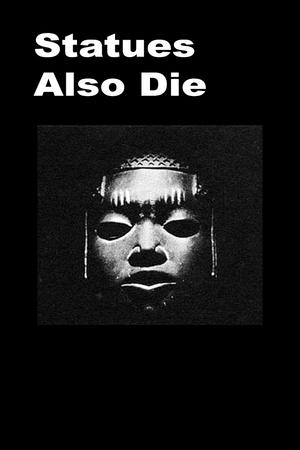
Commissioned by the journal Présence Africaine, this short documentary examines how African art is devalued and alienated through colonial and museum contexts. Beginning with the question of why African works are confined to ethnographic displays while Greek or Egyptian art is celebrated, the film became a landmark of anti-colonial cinema and was banned in France for eight years.
Have you ever wondered what would happen if the words "moose" and "cock" were to suddenly come together to form a new word? This hard-hitting short film probes the possibilities.
While the costume maker Onésime is absent, his mannequins begin to play...
Kids reject the bad taste of medicine. Bout de Zan steals a cigar and tastes it, but it doesn't work.
Leonce works at the Gaumont studios as star actor and his wife suspects him of being unfaithful. She finds ladies' hair on his coat, fan letters in his pocket...
His double behaves very badly, while the real Onésime suffers the consequences.
Having fallen in love with a beautiful neighbor girl, Rigadin tries to help her get rid of a persistent suitor.
Bout-de-Zan receives New Year gifts and uses them use it in a rather different way.
Just as the streets to hell, to hear it from the travelers, are paved with good intentions, the illustrious police officer Zigoto's brain is full of the most commendable initiatives. While passing before a door, he sees a piece of rope underneath and thinks it his duty to bend down and pick it up. But he's amazed to see that the more he pulls, the longer the cord becomes: "For a thousand prefects - that was his favorite exclamation - do they take me for a pulley?" Upon the arrival of two officers, the men open the door, when all of a sudden a black, horned mass crashes into them.
Two couples, in the same room, try to keep it together. The human couple fare differently to the pair of Goldfish in their fish tank. An artful piece exploring choice in life and love. The humour is derived from the wistful musings, in Cantonese, of the male fish and narrator.
Made up of a very long, static shot where Calino's legendary clumsiness wreaks havoc. An interesting shot of three faces reflected in a broken mirror.
After returning from the circus, Bout-de-Zan starts doing acrobatic tricks.
One night, Bout-de-Zan finds a wanderer and shares his bed to him. The next morning there is a general panic among the servants...
Bout-de-Zan and his family are around the dinner table, awaiting the visit of his millionaire uncle. But the uncle is not what he was...
Following his parents, Bout-de-Zan participates in a masked ball wearing an elegant gown.
Rigadin (Charles Prince) is having raging fits of jealousy.