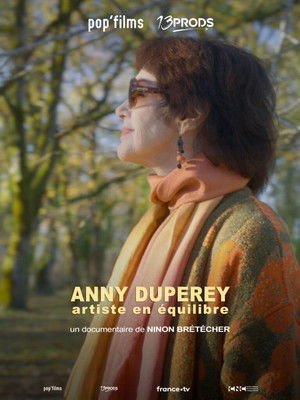
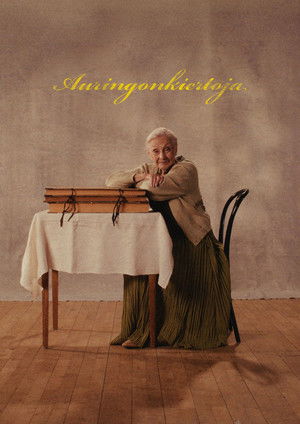
A popular actress, Anny Duperey lived a precarious life for many years until she found a place to settle down in Creuse. It is there that she keeps her photos, writes, and recharges her batteries. In this portrait, she breaks with convention by playing with her image and openly questioning the desires of an actress as her career is revisited.
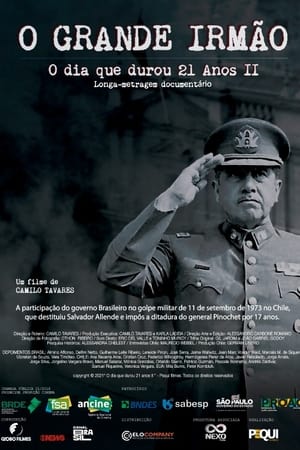
With confidential and unpublished documentation, the film shows the background and behind-the-scenes of the coup in Chile that took place on September 11, 1973 - and General Pinochet's dictatorship, which lasted 17 years.
Z vôle ľudu zrodené
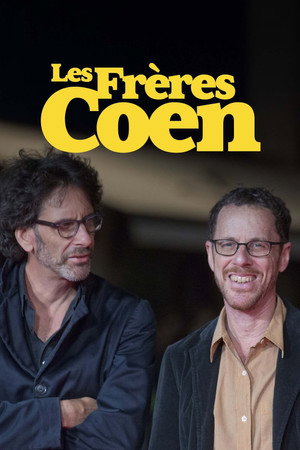
Tracing the careers of these two cinema enthusiasts, this documentary reveals the secrets behind the work of Ethan and Joel Coen, screenwriters and directors who are interchangeable within the same two-headed entity. It features fascinating, previously unseen interviews with some of the most iconic actors from their filmography.
The Doors' legendary performance at the Hollywood Bowl remains a part of Rock and Roll history to this day. But the Bowl wasn't always so welcoming of rock music. Explore the history of the iconic venue and the artists who paved the way for The Doors to perform there.
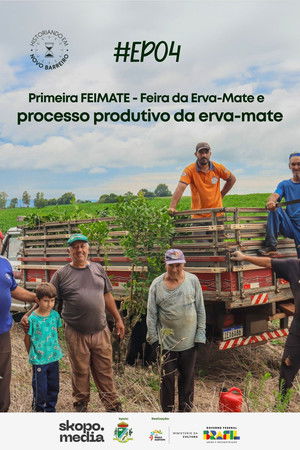
Primeira FEIMATE: Feira da Erva-Mate e Processo Produtivo da Erva-Mate - Historiando em Novo Barreiro
We went back into The Doors' footage vault and restored the original concert film of their legendary Hollywood Bowl performance to high-definition video with a 5.1 stereo surround mix! Get a glimpse into the process of restoring the picture and sound.
A collection of memorable stories from The Doors as well as friends who were present the night of their legendary 1968 appearance at the Hollywood Bowl - from long-held rumors to behind-the-scenes anecdotes.
A look at the recently discovered fascinating behind the scenes footage shot by the legendary Hollywood director John Ford at Pearl Harbor in 1942 while filming his popular World War II documentaries December 7th and The Battle of Midway.
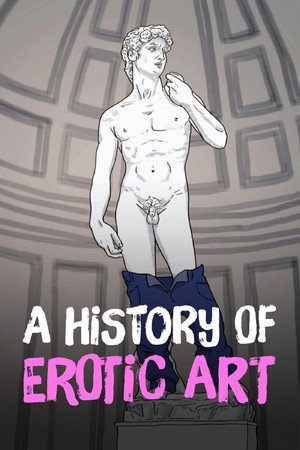
The people of Antiquity had little problem with nudity and would not find graphic depictions of sexual acts as morally suspect or obscene. But Christianity changed perspectives, bringing in notions of shame and the negation of the body. This documentary looks at the erotic in art over the last two thousand years.
On November 25, 1973, the first of four car-free Sundays transformed West Germany's deserted highways into spaces for walking, cycling, and horse-drawn carriages, while towns and cities took on a festive atmosphere. Introduced during the oil crisis to conserve fuel after the Arab oil embargo and production cuts following the Yom Kippur War, the measure became an unforgettable collective experience. Beyond the immediate energy shortage, the crisis marked a turning point, ending the postwar economic boom and encouraging greater awareness of energy use, consumerism, and environmental issues.
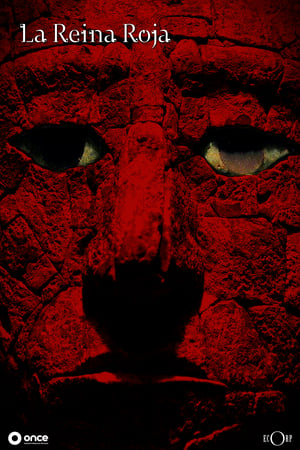
A look at Palenque's best kept secret: The Red Queen.
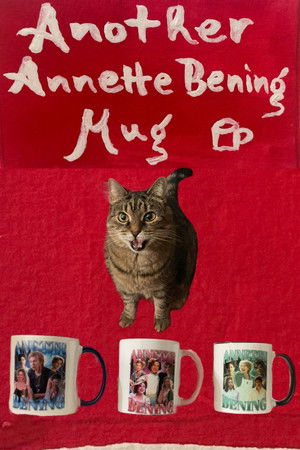
A video diary from Xmas 2023 New Years to awards season, the filmmaker's personal cinema, and a tribute/time capsule of their cat Fox, their movie-loving friends and film community of Portland, and the actresses they love -- with Annette Bening's Nyad Oscar campaign as its political backdrop.
Auringonkiertoja
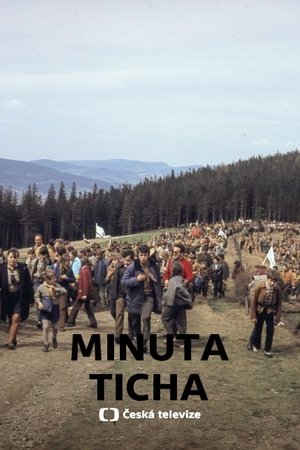
Minuta ticha
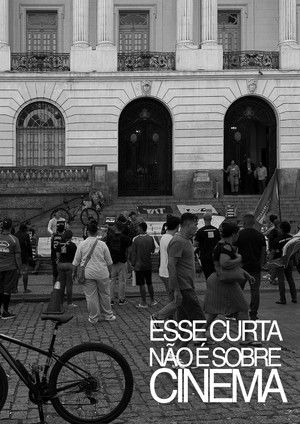
Esse curta não é sobre cinema
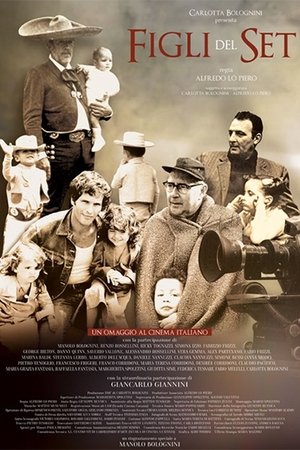
Figli del Set
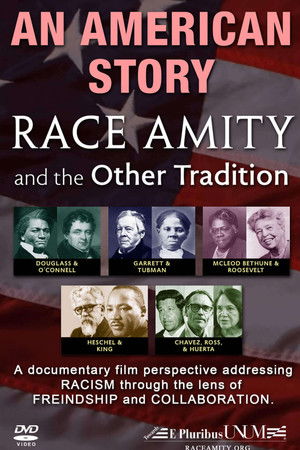
In contrast to the lens that focuses exclusively on the racist traditions that are rooted in America’s social history, the moral counterweight of close, loving, friendship and collaboration, which have always been present in our history, represents “the other tradition.” This “other tradition” is a source of inspiration and presents models of behavior that are instructional and include unknown and uncelebrated legacies to be absorbed and emulated across generations of present day Americans. The documentary discusses the “better in us” a needed collective perspective in the current climate of national disunity across racial, religious, and political lines. This has significant implications for addressing public issues from immigration to health care and the myriad of governmental, educational, business, and religious challenges that we must successfully meet to weave the fabric of unity which is indispensable to survival as a nation.
Forty four years ago, it seemed like a good idea to build a squat, concrete motel in downtown Columbia, Missouri. But within a few years, guests were calling for a do-over. Now, with the downtrodden building’s fate sealed, the Rabid Hands artist collective arrives on the scene as hospice workers, assisting in the passing of the building’s soul. What ensues is a New Orleans-style voodoo celebration of a previously unsung piece of architecture.
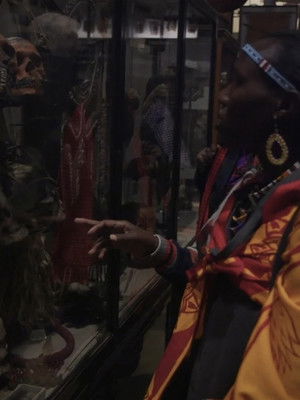
Decolonising the Curatorial Process is a forty-minute documentary which explores decolonial strategies in an academic and curatorial context. The film features academics, activists and practitioners, and contains case studies of institutions that are deploying critical, self-reflective forms of curatorial practice. The Museum of London Docklands exhibition on slavery and the sugar industry is examined as an example of how an institution can decolonise the curatorial process, utilise the work of artists in a museum context, and critically examine East London's imperial history. The Pitt Rivers museum in Oxford, who are working with Maasai activists from Kenya and Tanzania on a project centred on repatriating the museum's collection of sacred Maasai artefacts, also features in the film.