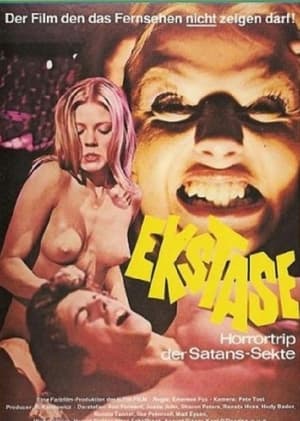
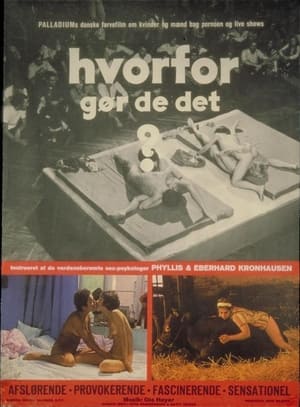
Mondo Cane and the Schoolgirl Report series stand as obvious influences on this occasionally amusing but generally rather tedious exploitation film that alternates between documentary, fake documentary and docudrama. The theme is Satanism and the linking thread is a recreation of what is supposedly the real-life case of a murder and attempted murder of two Munich teenage men by a quartet of girls who had been dabbling in devil worship. During the ensuing trial, the lawyer resorts to dilatory tactics while the hearing is frequently interrupted by the girls breaking into incantation, temper tantrums or shivery fits ostensibly bearing on demonic possession. When the subject of the Manson killings is brought up, the most obnoxious of the defendants breaks in indignantly, claiming that Sharon Tate’s “execution” was justified as she posed dangers to the Satanic community.
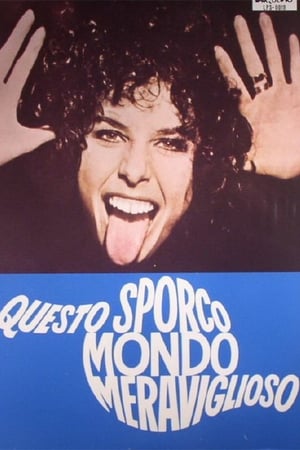
Taking a detour from the usual settings of Africa and South America, this mondo film focuses on Japan and Sweden, exploring strange and unusual scenes like the effects of pollution in a Japanese fishing village, esoteric psychotherapy methods, assisted fertilization, heatt surgery, sex education for blind children in sweden, military training for young Palestinians in Lebanon, a female priest celebrating mass and a school for children with phocomelia.
The moral dimension of humanity's interaction with nonhuman animals and the industries that profit from their exploitation, as informed by world religions. A historical explanation of how the current global situation came to be.
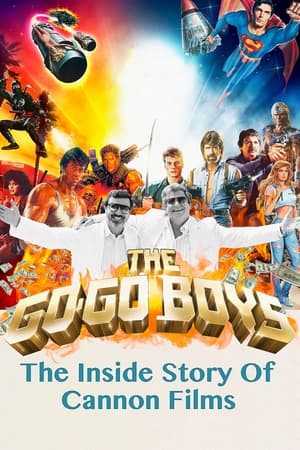
Cousins Menahem Golan and Yoram Globus relive the creation, rise and fall of their independent film company, Cannon Films. This documentary recounts their many successes and discusses their eventual downfall.
Exposing the dark underbelly of modern animal agriculture through drones, hidden & handheld cameras, the feature-length film explores the morality and validity of our dominion over the animal kingdom.
The question of "who hunts virgins" and more will be stripped down and explored in the sexiest trailers hosted by Playboy's Nikki Leigh.
A very human tech doc, uncovers the real costs of the platform economy through the lives of workers from around the world for companies including Uber, Amazon and Deliveroo. From delivering food and driving ride shares to tagging images for AI, millions of people around the world are finding work task by task online. The gig economy is worth over 5 trillion USD globally, and growing. And yet the stories of the workers behind this tech revolution have gone largely neglected. Who are the people in this shadow workforce? It brings their stories into the light. Lured by the promise of flexible work hours, independence, and control over time and money, workers from around the world have found a very different reality. Work conditions are often dangerous, pay often changes without notice, and workers can effectively be fired through deactivation or a bad rating. Through an engaging global cast of characters, it reveals how the magic of technology we are being sold might not be magic at all.
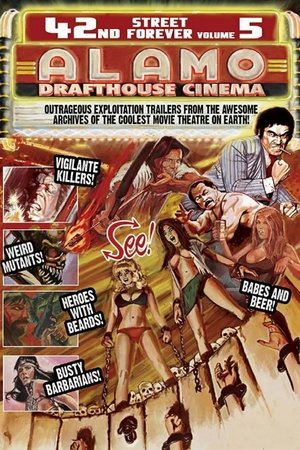
WELCOME TO THE ALAMO DRAFTHOUSE CINEMA, the most awesome post-modern hot spot for exploitation movie revival, deep in the heart of Texas! Home to world-famous events such as The Quentin Tarantino Film Fest, Fantastic Fest and Butt-Numb-A-Thon, the Alamo is one of the last places on earth where you can still see grindhouse classics such as THE DEVIL WITHIN HER and MAD MONKEY KUNG FU. Now, the Alamo has opened their vaults for a peek at some of the most outrageous cinematic gems from several golden ages of sleaze cinema. Digitally re-mastered in high-definition from the actual reels that show every week at the Alamo, this exciting edition of the 42ND STREET FOREVER series is the most bizarre, the most terrifying and the most hilarious one yet!
Three women share their experience of navigating the app-world in the metro city. The sharings reveal gendered battles as platform workers and the tiresome reality of gig-workers' identities against the absent bosses, masked behind their apps. Filmed in the streets of New Delhi, the protagonists share about their door-to-door gigs, the surveillance at their workplaces and the absence of accountability in the urban landscape.
A pseudo-documentary, “Samarang” tells the story of lowly Ahmang (Captain A.V. Cockle) and his socially superior love, Sai-Yu (Theresa Seth). Both live in the village of Samarang in the Indian Ocean. Because Sai-Yu is the daughter of a chief and Ahmang is but a poor fisherman, he needs to increase his wealth before asking for her hand. Thus he accepts the perilous offer of the wily Chang-Fu, who seeks pearl divers. Ahmang must brave the treacherous waters of the Forbidden Lagoon of Sakai, home to bloodthirsty cannibals, killer sharks, and a monstrous grasping octopus. Sai-Yu and Ahmang’s younger brother Ko-Hai come along for kicks, too. Ahmang finds his pearl, but he and Sai-Yu are stranded on the island, where they befriend a local orangutan. When they return to the boat, a shark kills Ko-Hai, and Ahmang must get revenge.
In the late sixties, Spanish cinema began to produce a huge amount of horror genre films: international markets were opened, the production was continuous, a small star-system was created, as well as a solid group of specialized directors. Although foreign trends were imitated, Spanish horror offered a particular approach to sex, blood and violence. It was an extremely unusual artistic movement in Franco's Spain.
Not My Life comprehensively depicts the cruel and dehumanizing practices of human trafficking and modern slavery on a global scale. Filmed on five continents, in a dozen countries, Not My Life takes viewers into a world where millions of children are exploited through an astonishing array of practices including forced labor, sex tourism, sexual exploitation, and child soldiering.
A team of journalists investigate how human trafficking and child labor in the Ivory Coast fuels the worldwide chocolate industry. The crew interview both proponents and opponents of these alleged practices, and use hidden camera techniques to delve into the gritty world of cocoa plantations.
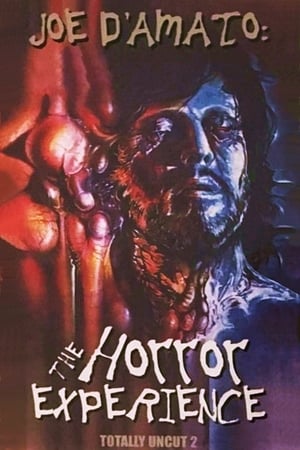
Documentary on various horror movies that Joe D'Amato directed and/or produced in the 1970's, 1980's, and early 1990's.
A documentary that reveals the underbelly of the global aid and investment industry. It's a complex web of interests that span the earth from powerful nations and multinational corporations to tribal and village leaders. This documentary offers unique insights into a multi-billion dollar world by investigating how aid dollars are spent.
Members of the controversial group NAMBLA (North American Man/Boy Love Association) discuss why their organization supports "boys and men who have or desire engagements in sexual or emotional relationships."
Though the release date says 1956, this film consists mostly of footage from a 1931 documentary called "Gow the Killer." It was the first sound film to deal with cannibalism, as it documented the social life and customs of primitive tribes that in fact did engage in cannibalism.
A powerful feature documentary about child sexploitation, an epidemic happening in every country around the world. Filmed over a four year period, REDLIGHT focuses on the personal stories of young Cambodian victims and two remarkable advocates for change: grass-roots activist Somaly Mam and politician Mu Sochua. Using gritty footage smuggled out of brothels and harrowing testimonials, REDLIGHT follows the plight of several current and former child sex slaves. Some are trying to regain entry into Cambodian society to find some semblance of normality after their horrific experiences. Other stories highlight the plight of victims who are attempting to bring the perpetrators to justice. Their torturous yet ultimately heroic battles to find witnesses and take brothel owners to court are dramatically brought to life in this topical and moving feature documentary.
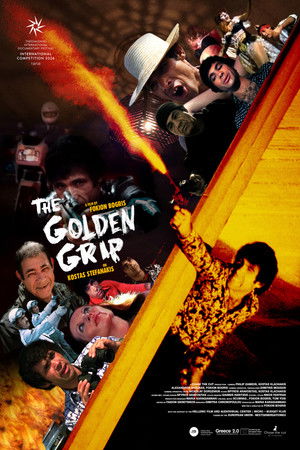
In the mid-1960s, Kostas left his village in Crete dreaming of becoming a star. His rugged physique and humble background afforded him only small “tough-guy” roles, yet in numerous Greek films – from big studio productions and renowned auteur masterpieces to low-budget exploitation films alike. By placing a support actor at centerstage, the film traces five decades of Greek cinema.
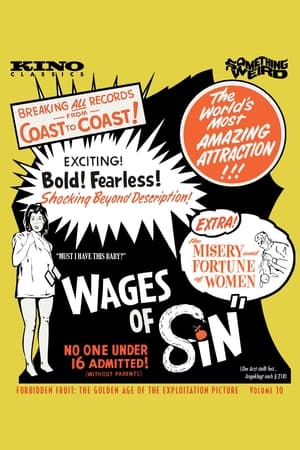
A faux travelogue that mixes documentary and mockumentary footage. The camera looks through a one-way glass into the women's dressing room at a lingerie shop, visits a Kyoto massage parlor, goes inside the mailroom at Frederick's of Hollywood, watches an Australian who sticks nails through his skin and eats glass, checks out the art and peace scene in Los Angeles, takes in Easter week with vacationing college students on Balboa Island, observes a German audience enjoying a play about Nazi sadism, and, with the help of powerful military lenses, spies on a Lebanese white-slavery auction.