It was a fateful expedition into the unknown. 50.000 children marched along the banks of the Rhine and the Loire Rivers dressed in rags, dragged themselves barefoot across the snow-covered Alps. They reached the shores of the Mediterranean in a state of exhaustion, and were loaded onto shady ships and ended up as slaves at North African markets. The film snatches the stirring fate of these children from the realm of the forgotten and gives them back their dignity on the pages of history.
This impressionistic portrait of the 1964 Tokyo Summer Olympics pays as much attention to the crowds and workers as it does to the actual competitive events. Highlights include an epic pole-vaulting match between West Germany and America, and the final marathon race through Tokyo's streets. Two athletes are highlighted: Ethiopian marathon runner Abebe Bikila, who receives his second gold medal, and runner Ahamed Isa from Chad, representing a country younger than he is.
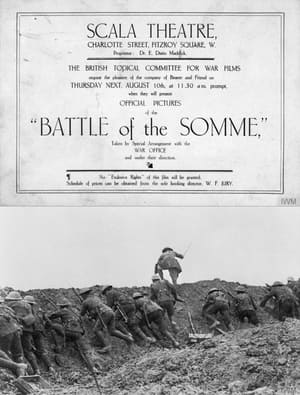
A documentary and propaganda film which shows the British Army's preparations for, and the early stages of, the battle of the Somme.
How a once-in-a-generation Argentina team, led by Manu Ginobili, brought down the “Dream Team” and won gold at the 2004 Olympic Games.
PyeongChang 2018 Olympic Closing Ceremony: The Next Wave
Sochi 2014: Olympic Closing Ceremony: Reflections of Russia
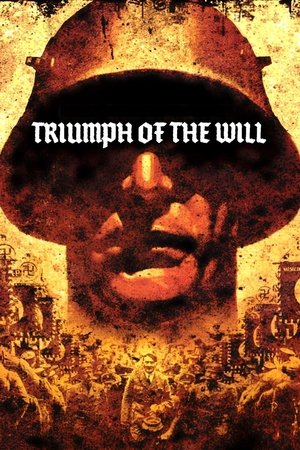
A showcase of German chancellor and Nazi Party leader Adolf Hitler at the 1934 Nuremberg Rally.
The absurd and often surrealistic story of the last propaganda film of the Third Reich.
The intricate history of UFA, a film production company founded in 1917 that has survived the Weimar Republic, the Nazi regime, the Adenauer era and the many and tumultuous events of contemporary Germany, and has always been the epicenter of the German film industry.
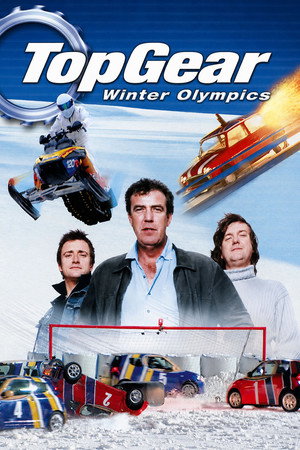
The Top Gear team hit Norway for a Winter Olympics special in which they attempt Olympic events, but with cars. In a world first, the team fire a rocket-powered Mini off a ski jump, Jeremy and James tackle the biathlon with the latest 4x4s, Richard stages a game of car ice hockey, and the new Jaguar XK races a speed skater.
A retired Olympic equestrian takes on a new dressage student at his idyllic farm in New Jersey. Over time, tensions mount between the two, leading to 911 calls, cryptic social media posts, and accusations of spying. The feud culminates in a shocking act of violence and a trial that rocked the prestigious and sophisticated world of dressage.
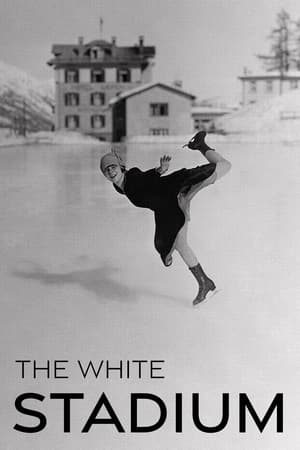
A profile of the 1928 Olympic Games in St. Moritz, Switzerland.
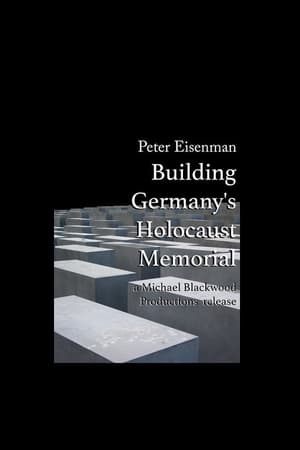
This documentary explores the creation of the Holocaust Memorial in Berlin as designed by architect Peter Eisenman. Reaction of the German public to the completed memorial is also shown.
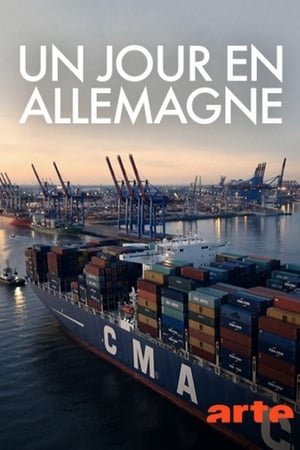
With aerial shots filmed from helicopters and drones, moments of life and encounters, this abundant geographical narrative offers a unique perspective on today's Germany, providing an overview of a territory undergoing profound change. Committed to an unprecedented energy transition, Germany has been working for several years to reconcile economic development with respect for nature. This challenge is profoundly transforming its urban and rural landscapes, even though they still bear the traces of a partition that the reunification of a little over a quarter of a century ago has not completely erased.
VI. zimní olympijské hry v Oslo
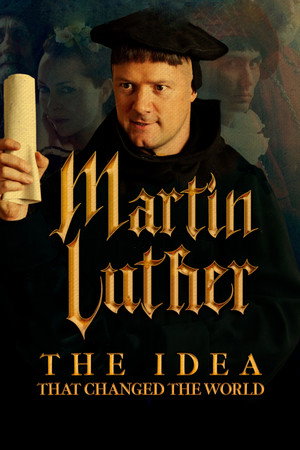
The year 2017 marks the 500th anniversary of one on the most important events in Western civilization: the birth of an idea that continues to shape the life of every American today. In 1517, power was in the hands of the few, thought was controlled by the chosen, and common people lived lives without hope. On October 31 of that year, a penniless monk named Martin Luther sparked the revolution that would change everything. He had no army. In fact, he preached nonviolence so powerfully that — 400 years later — Michael King would change his name to Martin Luther King to show solidarity with the original movement. This movement, the Protestant Reformation, changed Western culture at its core, sparking the drive toward individualism, freedom of religion, women's rights, separation of church and state, and even free public education. Without the Reformation, there would have been no pilgrims, no Puritans, and no America in the way we know it.
An American of Swedish origin and oil trader, Eric Erickson allegedly maintained business relations with the Nazi regime for the sole purpose of passing information to his country's secret services and working towards the defeat of the Third Reich. But what reality lies behind the heroic myth he himself created?
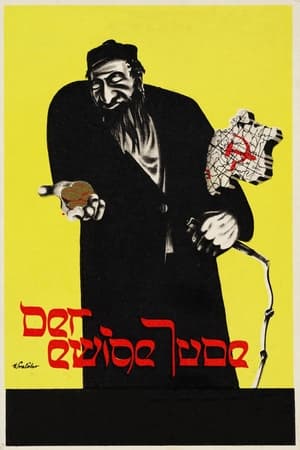
A Nazi propaganda film made to promote anti-Semitism among the German people. Newly-shot footage of Jewish neighborhoods in recently-conquered Poland is combined with preexisting film clips and stills to defame the religion and advance Hitler's slurs that its adherents were plotting to undermine European civilization.
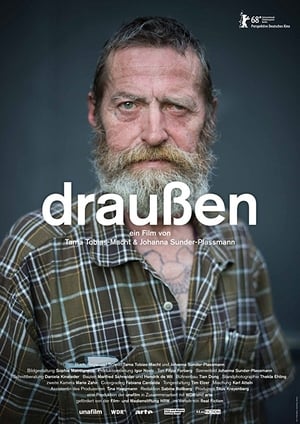
The film explores the turbulent lives of homeless persons in Cologne, Germany. Through their personal belongings the homeless share with the viewer their memories and emotions, and provide insight into the secrets of survival on the street.
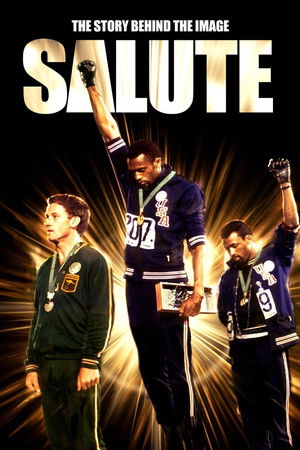
The black power salute by Tommie Smith and John Carlos at the 1968 Mexico Olympics was an iconic moment in the US civil rights struggle. Far less known is the part in that episode in history played by Peter Norman, the white Australian on the podium who had run second — and the price paid afterward by all three athletes.