Les échappées de Kaboul
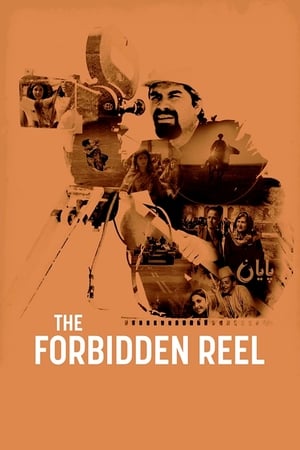
According to the official history of Afghanistan, ruthless destruction has always prevailed over art and creation; but there is another tale to be told, the forgotten account of a diverse and progressive country, seen through the lens of innovative filmmakers, a story that survives thanks to a few brave Afghans, a small but very passionate group that secretly fought to save a huge film archive that was constantly menaced by war and religious fanaticism.
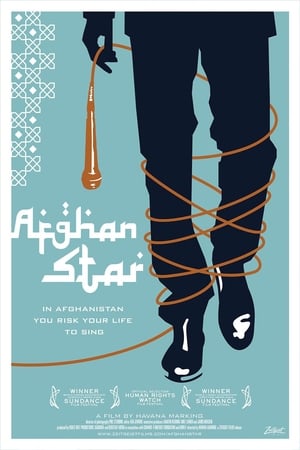
This documentary on the effect the talent competition "Afghan Star" has on the incredibly diverse inhabitants of Afghanistan affords a glimpse into a country rarely seen. Contestants risk their lives to appear on the television show that is a raging success with the public and also monitored closely by the government.
The mission: Capture US and NATO forces on camera giving food, water, clothing, blankets, and medical supplies to widows and orphans in refugee camps and villages of Afghanistan.
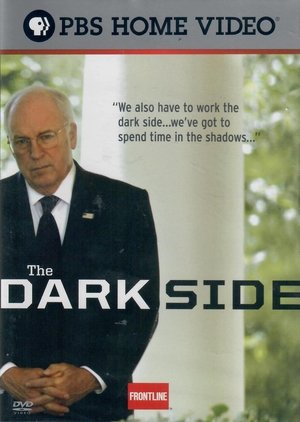
On Sept. 11, 2001, deep inside a White House bunker, Vice President Dick Cheney was ordering U.S. fighter planes to shoot down any commercial airliner still in the air above America. At that moment, CIA Director George Tenet was meeting with his counter-terrorism team in Langley, Virginia. Both leaders acted fast, to prepare their country for a new kind of war. But soon a debate would grow over the goals of the war on terror, and the decision to go to war in Iraq. Cheney, Defense Secretary Donald Rumsfeld, and others saw Iraq as an important part of a broader plan to remake the Middle East and project American power worldwide. Meanwhile Tenet, facing division in his own organization, saw non-state actors such as Al Qaeda as the highest priority. FRONTLINE’s investigation of the ensuing conflict includes more than 40 interviews, thousands of pages of documentary evidence, and a substantial photographic archive.
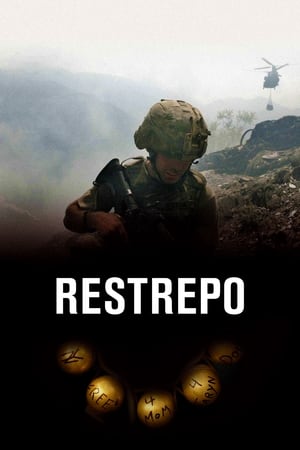
Directors Hetherington and Junger spend a year with the 2nd Battalion of the United States Army located in one of Afghanistan's most dangerous valleys. The documentary provides insight and empathy on how to win the battle through hard work, deadly gunfights and mutual friendships while the unit must push back the Taliban.
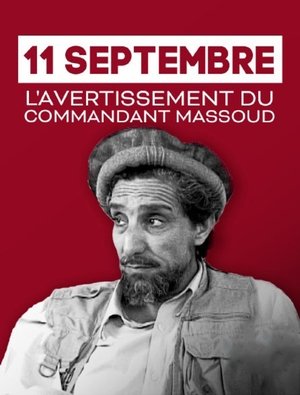
On September 9, 2001, Commander Massoud, a hero of the Afghan resistance, was assassinated by two members of al-Qaeda posing as journalists. Two days later, the terrorist organization struck the United States. However, a few months earlier, during a visit to France, Commander Massoud had come to warn the West about the disastrous plans of al-Qaeda and the rise of the Taliban. He asked the West to exert pressure on Pakistan, a country that supplied arms, supported and sheltered the Taliban, but which was also a major buyer of French arms. He was not listened to.
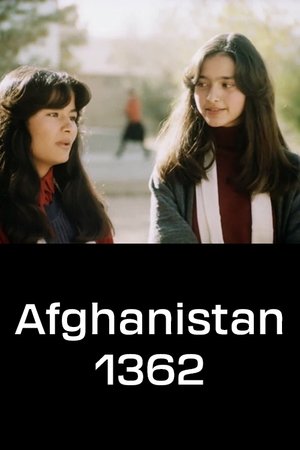
In December 1979, the Soviet Union invaded Afghanistan. Four years later—the Islamic calendar's year 1362—, director Volker Koepp visited Kabul and neighboring provinces. Koepp met a cross-section of people, such as soldiers, intellectuals, kids, and nomads, and with sensitive intensity told stories of their daily lives in the turmoil of an “undeclared war.” This travelogue, which was undertaken with the GDR’s consent, took a political risk because it expresses Koepp’s doubt that conflicts can be solved through military invention.
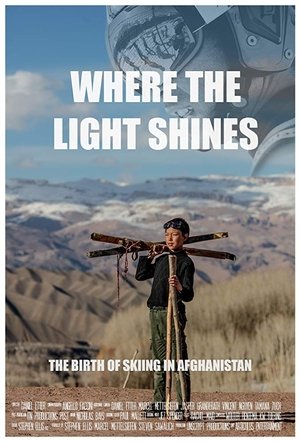
When two men compete to qualify in the Winter Olympics for the first time for Afghanistan, they realize that home is worth fighting for. In their wake they leave a passion for skiing and a hope for a brighter future. Where the Light Shines is the debut documentary from Pulitzer Prize-winning photographer Daniel Etter with stunning cinematography by Angello Faccini. It is produced by Academy Award nominees Marcel Mettelsiefen and Stephen Ellis along with Steven Sawalich from Articulus Entertainment. Filmed over four years, Where the Light Shines paints an intimate portrait of life in Afghanistan and shows the difficulties of trying to create change in a country that for generations has only seen war.
Jung is a narrative documentary that follows the human and professional adventure of its protagonists, the Afghan people in the midst of civil war.
This film is a glimpse of the traditional life of the Afghan people, their culture and their music, just before the Russian intervention in 1979.
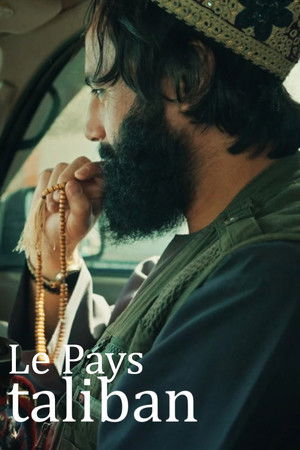
Almost five years after their return to power, a new era has dawned under the yoke of the Taliban, an inflexible fundamentalist regime. Under their rule, the former republic has disappeared, replaced by an ultra-rigid power structure closed off from the rest of the world and the foreign press. An "Islamic Emirate of Afghanistan", largely unrecognised, even by Islamic theocracies. After four shoots, mainly carried out outside the official framework, "The Taliban Country" offers a glimpse into the heart of this new Afghan reality. Through the eyes of the men and women facing these upheavals, the film paints a portrait of a paradoxical and radical system. It offers an in-depth look at the workings of a state characterised by extreme rigour, unparalleled in the contemporary world.
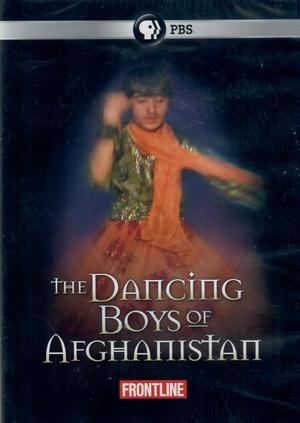
In Afghanistan many hundreds of boys, often as young as ten, are being lured off the streets on the promise of a new life.
Near-silent and shot via a cell phone, a war veteran observes the world which has been colored by his experiences in Afghanistan.
Five Afghan men try to reach Europe. The filmmakers followed them for over six months, filming their clandestine journey and chronicling a migration combining fantasy and stark reality, setbacks and achievements, in the midst of the dangers of such trips.
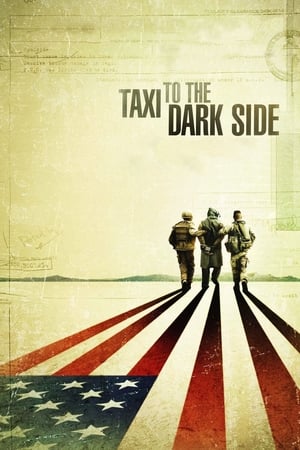
An in-depth look at the torture practices of the United States in Afghanistan, Iraq and Guantanamo Bay, focusing on an innocent taxi driver in Afghanistan who was tortured and killed in 2002.
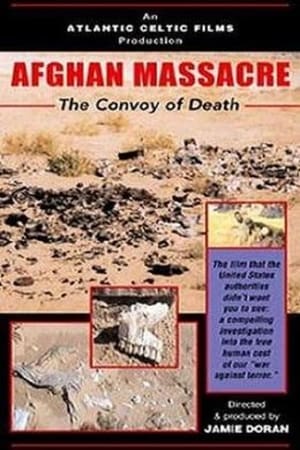
Explores U.S. Special Forces role in the massacre of about 3,000 unarmed Taliban prisoners of war in Afghanistan from the battle of Mazar-e-Sharif by Northern Alliance soldiers.
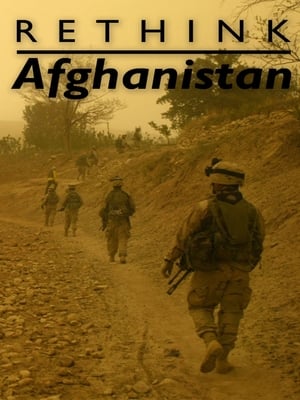
Filmmaker Robert Greenwald (Outfoxed) carefully examines the war in Afghanistan, raising challenging questions about the destabilization of Pakistan, U.S. troop escalation, ballooning military costs, civilian casualties and much more. Through fascinating interviews with Afghans, veterans, reporters, ex-CIA agents and foreign-policy experts, Greenwald's incisive documentary urges an immediate de-escalation of the conflict.
One of our biggest music stars Gary Barlow faces his toughest gig when he heads to the harsh terrain of Afghanistan to perform an exclusive concert for British troops.
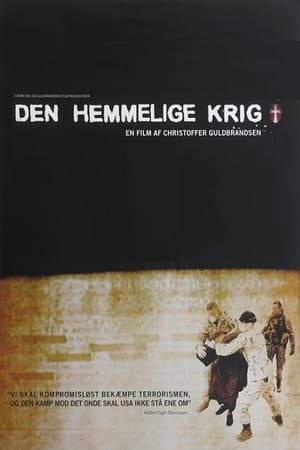
Controversal documentary focusing on events in Afghanistan in 2002 in which Danish soldiers handed over prisoners to the US Army even though USA no longer treated prisoners of war according to the Geneva Convention. Further, the film questions the Danish Prime Minister's reasons for getting Denmark involved in the so-called War Against Terrorism in Afghanistan in the first place.