He was born different, and chose to become unique. Becoming Lucky Love follows how Luc Bruyère turned his “flaw” into strength and his life into an act of creation. Born without his left arm, he faced the violence of people’s gaze from childhood, sinking into shame and self-destruction. “I was born homosexual, without a left arm — I didn’t fit what a man was expected to be: a figure without nuance, categorical,” Luc confides. Instead of giving up, he chose to transform himself and become what he had always dreamed of: a singer and performer. With his angelic face and magnetic presence, nothing seems to resist him — yet his blazing loves and excesses marked him deeply. Now, on the verge of turning 30, he looks back without filters. Becoming Lucky Love paints the portrait of an avant-garde, captivating outsider who proves that destiny can be endlessly reinvented through strength, poetry, and self-invention.
Images from 2000s music videos are transferred onto the film strip, torn and abstracted until the visuals convulse and shift—a tactile, poetic exploration of materiality, memory, and medium.
Un jour avec Andrée
A sort of non-narrative itinerary between Lyon, Vienne and Valence-Ville that goes exploring the relationships between the interactions and the light it exposes, a reflection of identity and beauty that the shadows goes preserving the perceptions of new space.
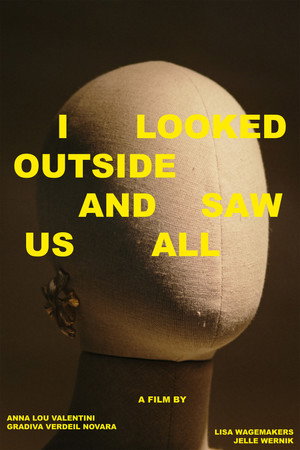
A variety of storefront mannequins look at, contemplate on, and talk about public space.
A study of observations around the ancient monument of the temple of Augustus and Livia and to cities of Vienne, Chonas-l'Amballan and Saint-Prim. Firstly proposed as a sort of ghost hunting, the project seems to focus on a world of figures, the whispers of the roads, diegetic/non-diegetic sounds and a camera that tries to investigate under fragments of logic and articulating cuts.
The story of Nisar Ahmed Khan, told through his children and the people he served, a spiritual guide whose followers still visit his tomb on his birth and death anniversaries. And alongside how his family spends a few days at the village keeping his traditions alive.
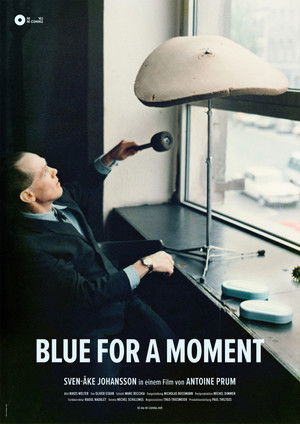
Blue for a Moment is a documentary portrait of Swedish-born, Berlin-based musician Sven-Åke Johansson, a key figure in European improvised and experimental music. Active as a jazz drummer, composer, poet and visual artist, Johansson has spent decades challenging artistic conventions and genre boundaries. Born in 1943, he moved to Berlin in the late 1960s and became involved in the city’s experimental scene, including the Zodiak Free Arts Lab. During the 1970s and 1980s he played an important role in the West Berlin free jazz movement around the FMP/SÅJ label, collaborating with musicians such as Alexander von Schlippenbach and Rüdiger Carl. Influenced by Fluxus and modernist traditions, Johansson developed a distinctive approach based on noise, reduction and the use of everyday materials, anticipating the Echtzeitmusik scene that emerged in Berlin after 1990. The film explores his creative process, artistic philosophy and lasting impact on contemporary experimental music.
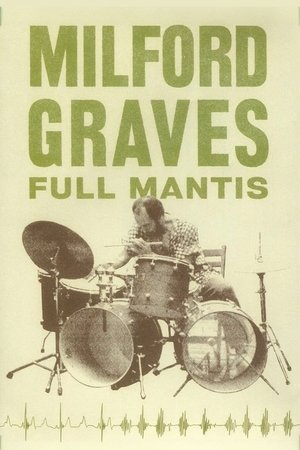
Weaving blistering performance footage from Europe, Japan, and the U.S. with a sublimely restrained, intimate glimpse into a world-renowned jazz percussionist’s singular voice and complex cosmology.
Trip To Turkey
Impressionism and expression of a view, Mavy uses fragments of the ocean landscapes of Alice Guy's studies through fluctuations of bright nuances and an imitation of these tormented waves in the eyes of a modern camera
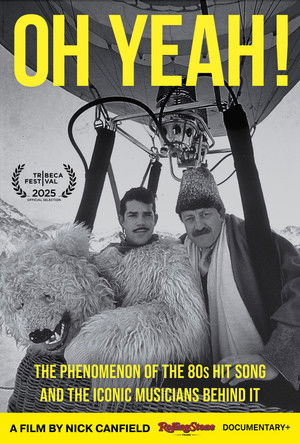
The story of the iconic electronic music group Yello and the phenomenon of their 1980's hit song, exploring the song’s cultural impact and its enduring place in the American psyche.
Although the free jazz movement of the 1960s and '70s was much maligned in some jazz circles, its pioneers - brilliant talents like Ornette Coleman, Cecil Taylor, Sun Ra, Albert Ayler, and John Coltrane - are today acknowledged as central to the evolution of jazz as America's most innovative art form. FIRE MUSIC showcases the architects of a movement whose radical brand of improvisation pushed harmonic and rhythmic boundaries, and produced landmark albums like Coleman's Free Jazz: A Collective Inspiration and Coltrane's Ascension. A rich trove of archival footage conjures the 1960s jazz scene along with incisive reflections by critic Gary Giddins and a number of the movement's key players.
A study of observation, perceptions and sensations of nature and human interactions from the eye of a digital camera
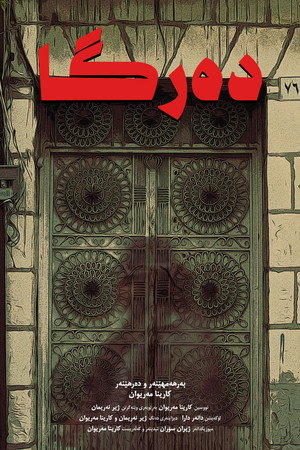
A journey into the complexity of life and the facade of old city doors, an attempt to convey the voice of those people behind the gates telling their stories.
"Fly too high and you will burn, go too low and you won't breathe." A 7 day vlog during the summer of 2023, a story of dreamers and drowners.
A strange orchestra of bodies, light, reflections and shadows throught shots of brief action and surprising appearances of humans and animals. A small film rejecting hierarchy while finding connectedness of love and affection in the small gestures of life.
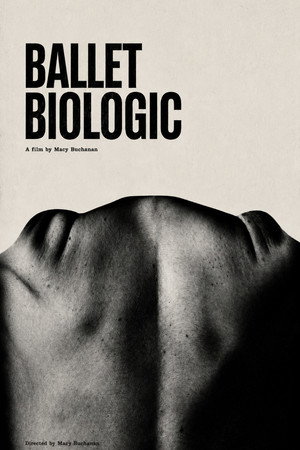
Inspired by Ballet Mécanique, Ballet Biologic is an experimental triptych exploring the body through movement, physical painting and spoken testimony. Made alongside three physical paintings and exhibited at LJMU’s Umwelt exhibition at Bridewell Studios in Liverpool, the project turns vulnerability into rhythm, image and reclamation.
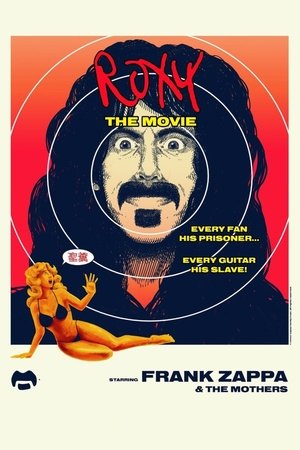
A Frank Zappa show goes way beyond a mere concert – it is an experience…a flight of improvisation, musicianship, and cerebral cynicism. An unparalleled Composer and Guitarist, Zappa redefined rock n roll paradigms by introducing into the mix his favorite influences from classical music, jazz, blues, Doo-wop, traditional and non-traditional music. And he did so with unparalleled humor and audacity. But it was the music itself that influenced generations of musicians and, quite frankly, blew minds. Roxy: The Movie, filmed over three nights in December 1973, at the Roxy Theatre in Hollywood, CA, is a powerful display of this experience, and reveals what made him such a pioneering musical revolutionary.
Filmed in Chicago & finished in 1959, The Cry of Jazz is filmmaker, composer and arranger Edward O. Bland's polemical essay on the politics of music and race - a forecast of what he called "the death of jazz." A landmark moment in black film, foreseeing the civil unrest of subsequent decades, it also features the only known footage of visionary pianist Sun Ra from his beloved Chicago period. Featured are ample images of tenor saxophonist John Gilmore and the rest of Ra's Arkestra in Windy City nightclubs, all shot in glorious black & white.