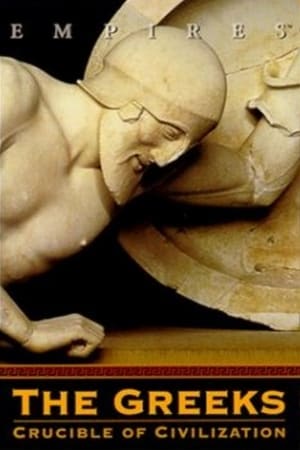
It was perhaps the most spectacular flourishing of imagination and achievement in recorded history. In the Fourth and Fifth Centuries BC, the Greeks built an empire that stretched across the Mediterranean from Asia to Spain. They laid the foundations of modern science, politics, warfare and philosophy, and produced some of the most breathtaking art and architecture the world has ever seen. This series, narrated by Liam Neeson, recounts the rise, glory, demise and legacy of the empire that marked the dawn of Western civilization. The story of this astonishing civilization is told through the lives of heroes of ancient Greece. The latest advances in computer and television technology rebuild the Acropolis, recreate the Battle of Marathon and restore the grandeur of the Academy, where Socrates, Plato and Aristotle forged the foundation of Western thought.
Documentary about the killer of Trotsky
A documentary about the industrial, urbanistic and social aspects of the Società Anonima Lavorazione Pelli (S.A.L.P) factory located in Rivarolo Canavese, thirty kilometers north of Turin.
"Trotsky and Mexico, two revolutions of the twentieth century" tells us of the famous Russian revolutionary asylum by President Lazaro Cardenas in Mexico.
Raphael: The Lord of the Arts is a documentary about the 15th century Italian Renaissance painter Raphael Sanzio.
Filmmaker Irene Lusztig unearths a dark family secret in search of answers and reconciliation in her breakthrough feature documentary, "Reconstruction."
Film inspired by the beauty of medieval tombstones, stećaks, scattered around the mountains of Bosnia-Herzegovina and Mak Dizdar’s poem about them. Film explores the distant past immortalized in inscriptions on these ancient tombstones.
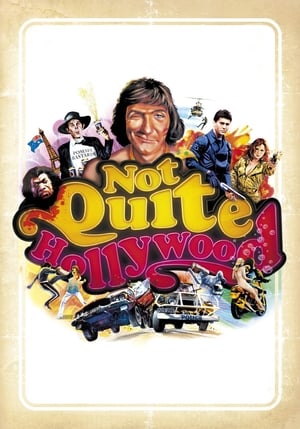
As Australian cinema broke through to international audiences in the 1970s through respected art house films like Peter Weir's "Picnic At Hanging Rock," a new underground of low-budget exploitation filmmakers were turning out considerably less highbrow fare. Documentary filmmaker Mark Hartley explores this unbridled era of sex and violence, complete with clips from some of the scene's most outrageous flicks and interviews with the renegade filmmakers themselves.
Seekers of Oblivion explores the exciting life and adventures of Isabelle Eberhardt. Born in Geneva, Switzerland in 1877, Isabelle left Europe for North Africa at a young age. While there, she consorted with tramps, prostitutes, soldiers, murderers and thieves, at times masquerading as a man in orde.
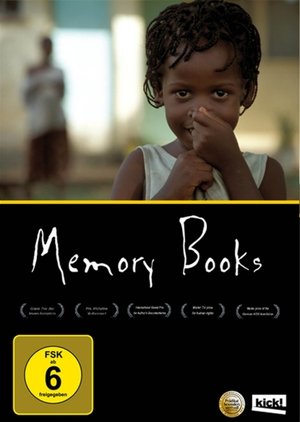
In Uganda, AIDS-infected mothers have begun writing what they call Memory Books for their children. Aware of the illness, it is a way for the family to come to terms with the inevitable death that it faces. Hopelessness and desperation are confronted through the collaborative effort of remembering and recording, a process that inspires unexpected strength and even solace in the face of death.
BBC documentary about Franz Kafka played by GREEK TV in 1990. This documentary is one of the ten films of “The Modern World: Ten Great Writers (1988)”.
Zensur: Die organisierte Manipulation der Wikipedia und anderer Medien
Examine the history of bluegrass music, from its origins to its eventual worldwide popularity, and hear from dozens of musicians who explain the ways bluegrass music transcends generational, cultural and geographic boundaries.
JEWS excavates a lost world of manners and ritual in home movies shot by several Chicago families from the 1920s through the 1940s. Much as in similar found footage soliloquies by Péter Forgács, Jay Rosenblatt and Ken Jacobs, director Roger Deutsch wrings unexpected pathos from mundane traces of the past. Children mug for the camera with dances of the day, upright mothers march their strollers up the avenue, men smoke, the family gathers around the table to light the candles. The bare title cannot help but raise the specter of contemporaneous events in Europe, lending an extra degree of urgency to the film's meditation on disappearance. - Max Goldberg
Resorting on a vast archive material of newsreels, photographs, letters, family videos, fiction movies, diary and popular songs excerpts, the documentary reassesses the legacy of the dictatorial period of Getúlio Vargas (1937-1945). Through the comparison and analysis of these heterogeneous records, produced for different purposes, from political propaganda to family celebration, the film explores the several layers of the political web of the Estado Novo, exposing its external inspirational sources, functionality and contradictions.
Husí kůže – Zimomriavky
I go to Movieland at least once a week, every week, for the last five years to sink some quarters into the games and the Movieland movie is an accumulation of the friends, lights, textures, and narratives that I have experienced in that time. I love Movieland!
Ein Lied für Europa
As beautiful and sleek as it is deadly, 52 Blocks merits special conservation efforts as the United States' only existing native martial culture, as it is indeed, the jazz of the martial arts world. Across the African diaspora, there are manifestations of African-derived warrior-dances, capoeira in brazil, mani in Cuba, ladja in Martinique, pinge in Haiti- yet the US offshoot has remained esoteric, because it was suppressed throughout slavery, Reconstruction and Jim Crow and then obscured in the criminal justice system. The history, interviews and training of the martial arts style that created Breakdance and boxing greats like Mike Tyson.
During the Vietnam War, the CIA recruited Hmong tribesmen in the hills of Laos to fight the Communists, then brought them as refugees to America. Forty years later in California, someone who might be a CIA operative approaches a Hmong human rights activist about buying weapons to continue the fight.