An epic 3+ hour chronology of scenes from over 200 films and television shows shot in Massachusetts from the silent era to today. Highlighting recognizable locales from Martha’s Vineyard to Harvard Square to Great Barrington, along with bygone landmarks and Boston streets, and featuring James Cagney, Tony Curtis, Elizabeth Taylor, Luciano Pavarotti, Harrison Ford, and all the Afflecks and Wahlbergs you can handle.
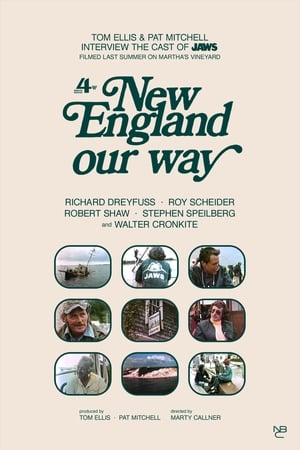
The program is a fascinating look some at the key people involved with JAWS before it was released. It contains interviews with the “big three” of Scheider, Dreyfuss and Shaw, Steven Spielberg, and Martha’s Vineyard local Craig Kingsbury, who played Ben Gardner.
A film documenting Steve-O's 5 day long PCP trip.
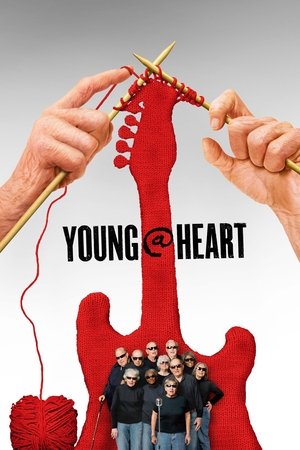
Documents the true story of the final weeks of rehearsal for the Young at Heart Chorus in Northampton, MA, and many of whom must overcome health adversities to participate. Their music goes against the stereotype of their age group. Although they have toured Europe and sang for royalty, this account focuses on preparing new songs for a concert in their hometown.
Maya is Ayaibex's daughter, an addict in recovery that feels a blame for damages that caused her daughter, Maya decides to remember her mother's childhood experiences in her world of addiction to seek the redemption of the weight that her mother has loaded for 20 years and get both to forgiveness.
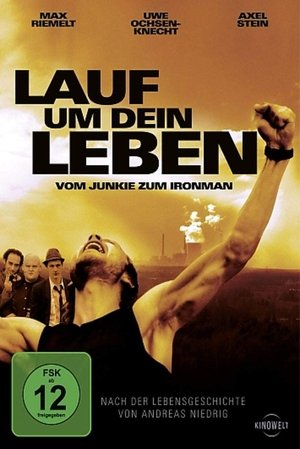
He lived the junkie's life as a heroin addict. Triathlon transformed him. Biopic of the record breaking Ironman Andreas Niedrig.
Scénarios sur la drogue
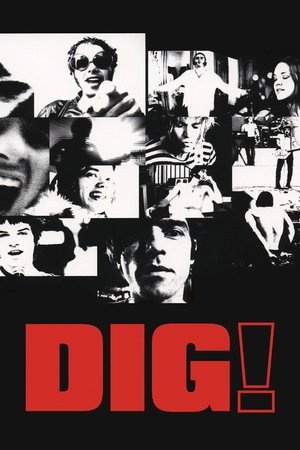
A documentary on the once promising American rock bands The Brian Jonestown Massacre and The Dandy Warhols. The friendship between respective founders, Anton Newcombe and Courtney Taylor, escalated into bitter rivalry as the Dandy Warhols garnered major international success while the Brian Jonestown Massacre imploded in a haze of drugs.
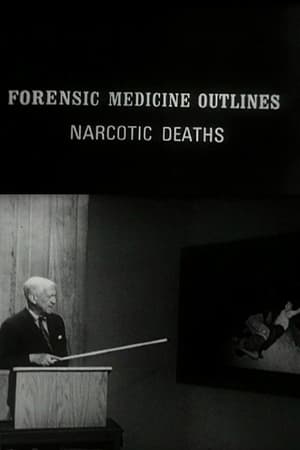
The purpose of this presentation is to discuss the types of narcotic deaths and drugs encountered by Dr. Milton Helpern in his post as Chief Medical Examiner for New York City and to describe internal and external body changes resulting from narcotism. This objective is achieved with the use of photographs of overdose victims and the equipment found and used by addicts. According to this presentation narcotic addiction which has been a problem for many years has increased markedly within the last twenty years. The use of amphetamines and marijuana is discussed briefly and the equipment used by addicts is described and illustrated. Dr. Helpern then shows photographs of overdose victims and describes the circumstances under which the body was found.
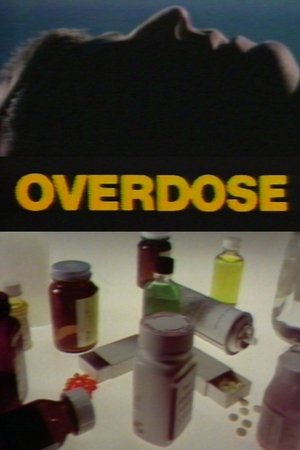
This program is an overview of best practices to keep a person who has overdosed alive between discovery and hospitalization. Practices include quickly finding or identifying the substance the person on which the person has overdosed and traveling to a hospital or other treatment site immediately. Several simulations of different situations are shown, and the narrator asks the viewer what he or she would do differently. It provides an excellent overview of the basic prehospital approach to an overdosed patient. The initial field management of a patient is covered, accompanied by well-done scenarios illustrating incorrect technique. Although the inclusion of more medical detail would have been beneficial, this is a compelling presentation which is highly recommended for use.
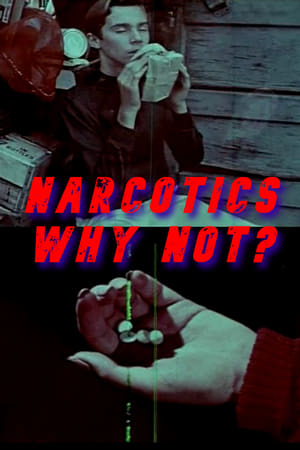
This film presents a series of extemporaneous interviews with teenagers and young adults who have taken narcotics for "kicks," "association," or "curiosity." Residents of the California Rehabilitation Center relate how they were introduced to narcotics, why they wished they had not used drugs or narcotics, and what the future holds for them. Film is shot in Hollywood, Calif.
Stresses recognition and treatment of drug abuse emergencies, accurate identification of symptoms, and immediate clinical procedures. Presents scenes of actual cases in the emergency room and adjoining physician's offices of Beth Israel Medical Center in New York City. Viewers observe emergency treatment of patients in the major classes of drugs commonly abused, opiates, depressants, stimulants, and hallucinogens. The film demonstrates to health professionals that successful management of drug overdoses can save most lives and avert additional organic and psychiatric complications.
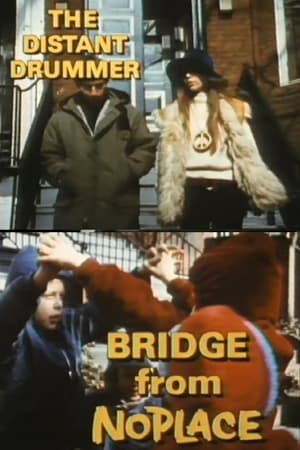
This film describes the 1960s drug culture. Addicts discuss their experiences in the United States and in Vietnam. Dr. Stanley Yolles, director of the National Institute of Mental Health (NIMH), talks about the drug culture and the NIMH role in prevention and treatment. The tape describes growth in the use of marijuana and heroin. In 1966, the Narcotic Addict Rehabilitation Act is the first law to give the addict a choice of treatment or jail. Synanon in California is a private, self-help, residential community that helps people deal with their addictions. New York's Daytop Village works not only with addicts on addictions, but on developing a new lifestyle. Methadone, though still experimental, has proved to be an effective treatment for heroin addiction.
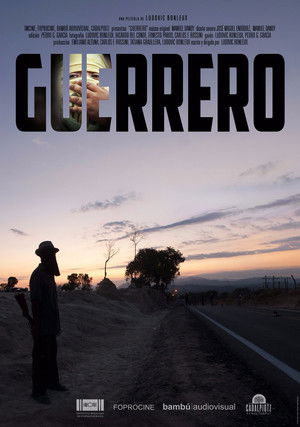
In the state of Guerrero, México, activists Coni, Juan and Mario rebel against impunity, regardless of the sacrifices and risks - even mortal - that their struggles involve.
This experimental 1970 color documentary film, ostensibly designed to provoke classroom discussion employs a boldly unconventional approach to addressing the issues of drug addiction, featuring the music of Canadian singer-songwriter Bruce Cockburn. The film eschews narration for montage effects and extended fly-on-the-wall scenes of various drug users in conversation.
After her husband dies, a woman begins to have a nervous breakdown and is consoled by her younger sister. Soon, however, other members of the family begin to suspect the younger woman's motives.
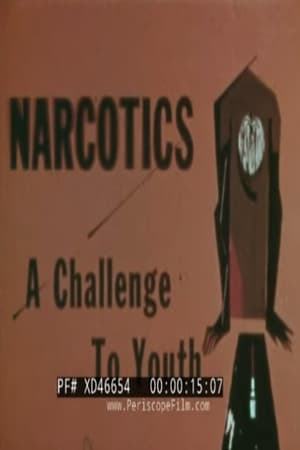
An educational film sponsored and distributed by the Los Angeles-based Narcotic Educational Foundation of America and directed by Gilbert Lasky with financial assistance of the Woman’s Relief Corps targets teachers as well as junior and senior high school students in the war on drugs. Narcotics are classified and effects of opiates, stimulants, and barbiturates are summarized and dramatized
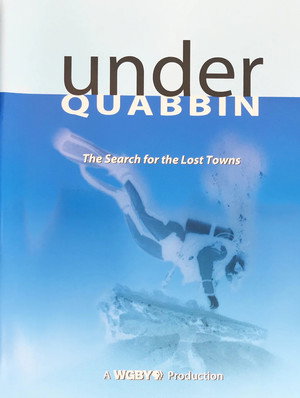
Beneath the millions of gallons of water that flow into homes across eastern Massachusetts is a story of buried history, scientific discovery, & individual hopes & dreams destroyed in the name of progress. Edward Klekowski, a UMass biology professor with a passion for scuba diving, chronicles an unprecedented search for the remains of four lost towns under the Quabbin Reservoir in Belchertown, MA
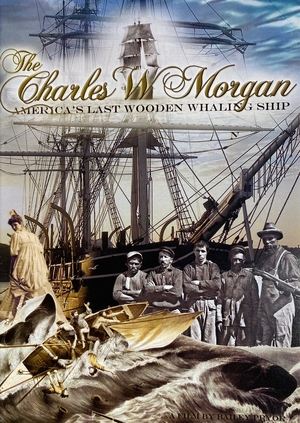
THE CHARLES W. MORGAN tells the extraordinary story of America's last wooden whale ship and the incredible saga of the first global industry dominated by the United States. From her humble beginnings in New Bedford, Massachusetts in the year 1841, the Morgan sailed 37 world voyages - where this "Lucky Ship" survived freeze-ups in the Arctic, attacks by south sea islanders, fire aboard ship and a host of other stories, each of which had the potential to end the vessel's life. Yet 170 years later, the Charles W. Morgan lives on, and after an extensive restoration project, is poised to sail again.
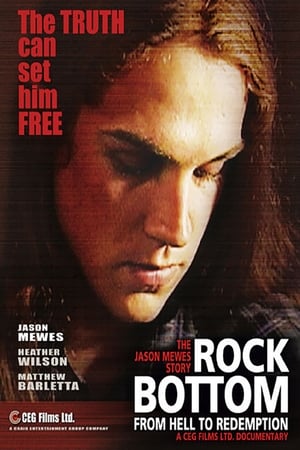
Documentary following Jason Mewes' withdrawal from heroin and his struggle to stay clean.