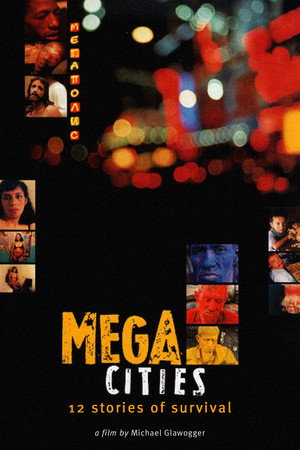
Megacities is a documentary about the slums of four different metropolitan cities.
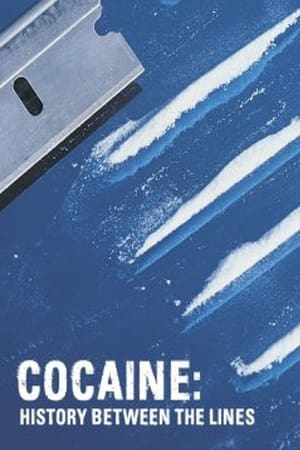
Cocaine has always gotten a bad rap, and for a reason. It is a drug used by the rich and the poor legally and illegally, Mexican cartels fought over it with Colombia once associated with the brutal cocaine wars, and a source of tension between the American and Mexican borders on the people who are illicitly bringing in cocaine from one side of the border to another and will do anything to do it. So it can be surprising at times to the viewer throughout the course of the documentary special, that it was never always like this.
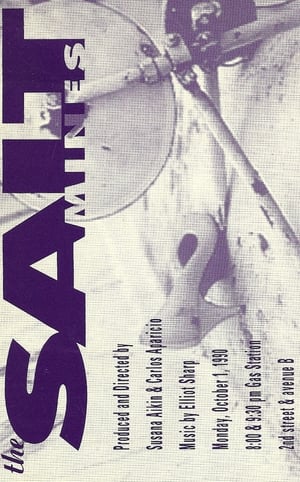
Explores the lives of Sara, Gigi and Giovanna, three Latino transvestites who for years have lived on the streets of Manhattan supporting their drug addictions through prostitution. They made their temporary home inside broken garbage trucks that the Sanitation Department keeps next to the salt deposits used in the winter to melt the snow. The three friends share the place known as "The Salt Mines".
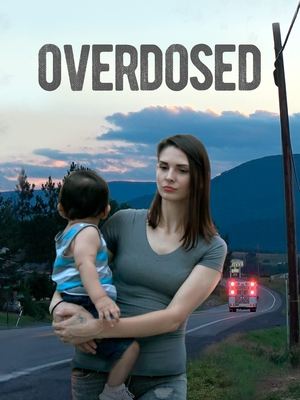
Intoxicants offered Pinja a connection to her mother. What will their lives be based on when they both decide to get sober?
Interviews with former drug dealers, over-prescribing doctors and DEA agents uncover a shocking truth of the pharmaceutical industry’s plan to target opioid sales to an impoverished community.
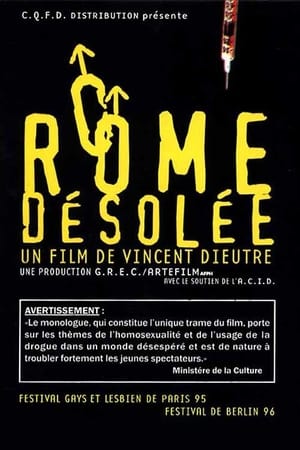
Chronicles of a male homosexual drug addict in 1980's in voice-over with long take scenes from Rome, television snippets of news of Gulf War and commercials.
For five years, Stephen McCoy documented street life in Boston. This is what he captured.
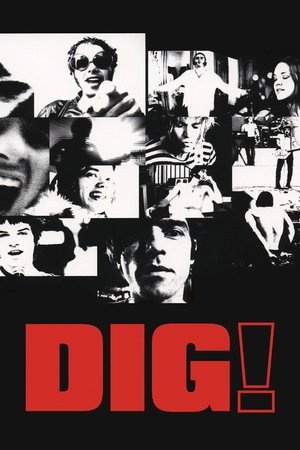
A documentary on the once promising American rock bands The Brian Jonestown Massacre and The Dandy Warhols. The friendship between respective founders, Anton Newcombe and Courtney Taylor, escalated into bitter rivalry as the Dandy Warhols garnered major international success while the Brian Jonestown Massacre imploded in a haze of drugs.
The life and career of the hailed Hollywood movie star and underappreciated genius inventor, Hedy Lamarr.
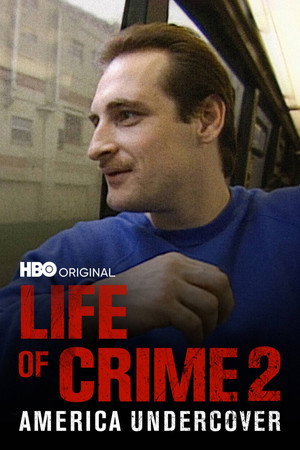
This follow-up to the 1989 documentary ONE YEAR IN A LIFE OF CRIME revisits three of the original subjects in New Jersey during a five-year period in the 1990s. We share in their triumphs and setbacks as they navigate lives of poverty, drug abuse, AIDS, and petty crime.
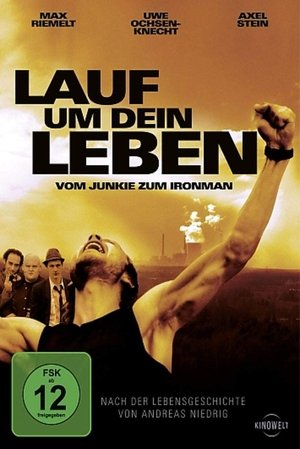
He lived the junkie's life as a heroin addict. Triathlon transformed him. Biopic of the record breaking Ironman Andreas Niedrig.
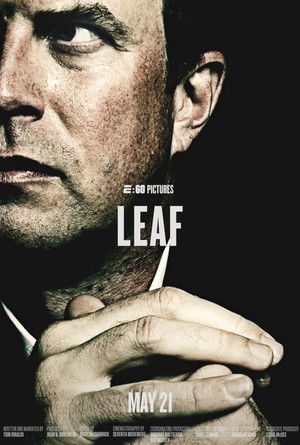
From can't miss future NFL star to incarcerated addict, former San Diego Charger Ryan Leaf shares insight into the choices and mistakes he made that changed his life forever.
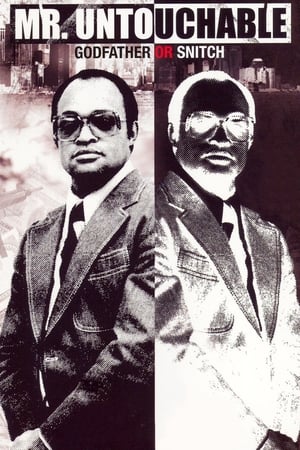
The true-life story of a Harlem's notorious Nicky Barnes, a junkie turned multimillionaire drug-lord. Follow his life story from his rough childhood to the last days of his life.
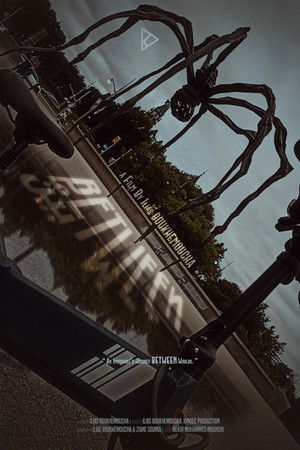
Initially embarking on an unplanned personal filmmaking project, Ilias Boukhemoucha finds himself drawn to the overlooked corners and marginalized communities within Canadian cities.
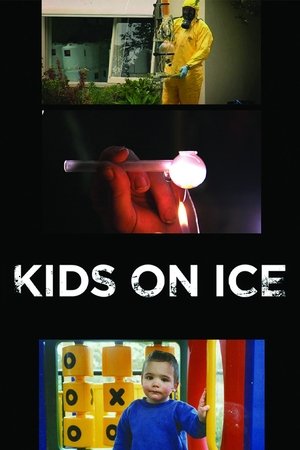
Quiet towns across rural Australia are in the grip of an Ice epidemic. Major international drug cartels are working with local outlawed motorcycle gangs to push crystal meth to a captive market of children.
In the 1980s and 1990s, an epidemic of crack cocaine addiction ravaged African American communities across the United States. Crack is extremely addictive, a trap that can lead to homelessness and an early death. Black addicts in Atlanta, Georgia tell us about their addiction, their past, and their struggles with police.
This less-than-feature-length documentary chronicles the endless cycle of addiction perpetrated by a mother and son living in a squalid tenement in San Francisco. 22-year-old Ryan and his mother Stephanie are both drug addicts: Although he'll take whatever comes along, her substance of choice is crack cocaine, and she demands that her son provide her with some. As they navigate their respective addictions, each comes close to overdosing just before they're evicted from their apartment.
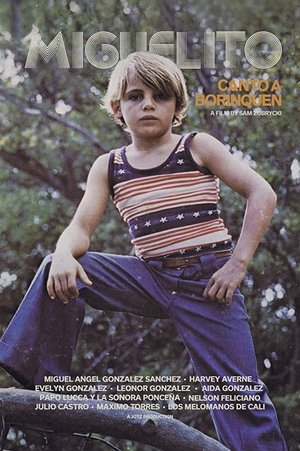
In 1973, eleven year old Miguelito was discovered singing in the San Juan airport by the legendary New York record producer Harvey Averne. Within the year, he went from the slums of Manuel A Perez, to recording an album with some of the finest salsa musicians of the time to finally performing with Eddie Palmieri at Madison Square Garden in front of 20,000 people. Throughout Latin America his songs ‘Payaso’ and ‘Canto a Borinquen’ had become cult hits. And then he simply disappeared...
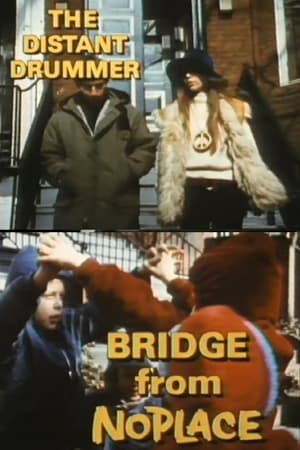
This film describes the 1960s drug culture. Addicts discuss their experiences in the United States and in Vietnam. Dr. Stanley Yolles, director of the National Institute of Mental Health (NIMH), talks about the drug culture and the NIMH role in prevention and treatment. The tape describes growth in the use of marijuana and heroin. In 1966, the Narcotic Addict Rehabilitation Act is the first law to give the addict a choice of treatment or jail. Synanon in California is a private, self-help, residential community that helps people deal with their addictions. New York's Daytop Village works not only with addicts on addictions, but on developing a new lifestyle. Methadone, though still experimental, has proved to be an effective treatment for heroin addiction.
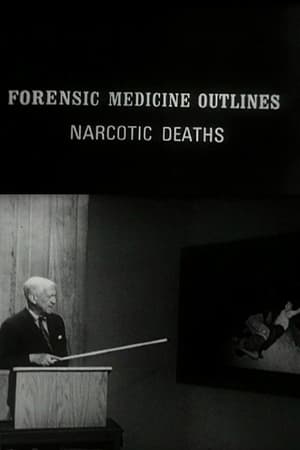
The purpose of this presentation is to discuss the types of narcotic deaths and drugs encountered by Dr. Milton Helpern in his post as Chief Medical Examiner for New York City and to describe internal and external body changes resulting from narcotism. This objective is achieved with the use of photographs of overdose victims and the equipment found and used by addicts. According to this presentation narcotic addiction which has been a problem for many years has increased markedly within the last twenty years. The use of amphetamines and marijuana is discussed briefly and the equipment used by addicts is described and illustrated. Dr. Helpern then shows photographs of overdose victims and describes the circumstances under which the body was found.