Following stylish IT GIRLS filmed during New York Fashion Week.
A man tries to get a group of young people trapped in drugs out through philosophy.
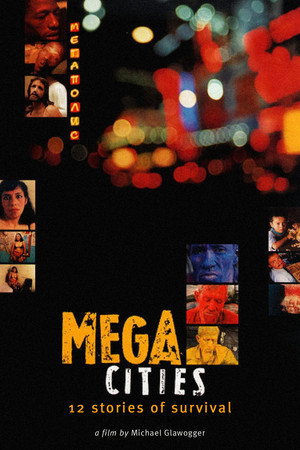
Megacities is a documentary about the slums of four different metropolitan cities.
Adolf Hitler's Nazi megalomania knew no limits. The most daring of his plans World War II involved German fighter planes crashing into Manhattan's skyscrapers as living bombs, like the Japanese kamikazes. Hitler understood the huge symbolic power of Manhattan's skyscrapers. He believed suicide bombing would have a devastating psychological impact on the American people and the U.S. war effort.
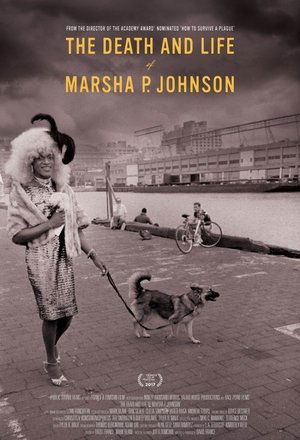
Describing herself as a 'street queen,' Johnson was a legendary fixture in New York City’s gay ghetto and a tireless voice for LGBT pride since the days of Stonewall, who along with fellow trans icon Sylvia Rivera, founded Street Transvestites Action Revolutionaries (S.T.A.R.), a trans activist group based in the heart of NYC’s Greenwich Village. Her death in 1992 was declared a suicide by the NYPD, but friends never accepted that version of events. Structured as a whodunit, with activist Victoria Cruz cast as detective and audience surrogate, The Death and Life of Marsha P. Johnson celebrates the lasting political legacy of Johnson, while seeking to finally solve the mystery of her unexplained death.
An unnamed man narrates the downward trajectory of his life from beyond the grave, from delinquency to the string of fateful decisions and foolhardy moves that tied him inextricably to the opiate that was the elusive love of his life.
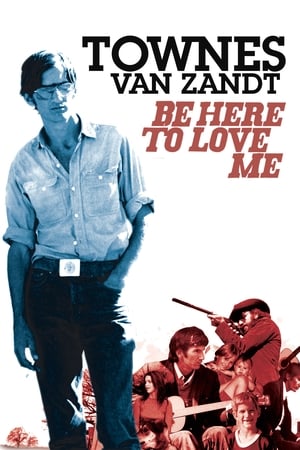
Chronicles the fascinating and often turbulent life of Townes Van Zandt.
A personal and intimate look into Demi Lovato's life as not only a regular 25 year old, but also one of the biggest pop stars in the world.
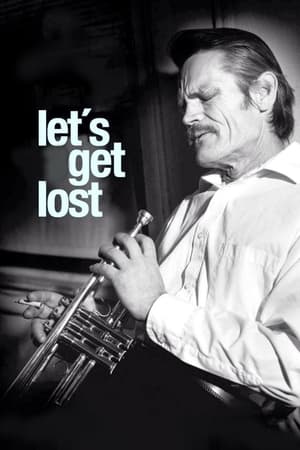
Documentary about jazz great Chet Baker that intercuts footage from the 1950s, when he was part of West Coast Cool, and from his last years. We see the young Baker, he of the beautiful face, in California and in Italy, where he appeared in at least one movie and at least one jail cell (for drug possession). And, we see the aged Baker, detached, indifferent, his face a ruin. Includes interviews with his children and ex-wife, women companions, and musicians.
On August 15th, 2006, filmmaker Ryan Dacko set out to get a 30-minute meeting with a major Hollywood producer by running on foot from Syracuse, New York to Hollywood, California.
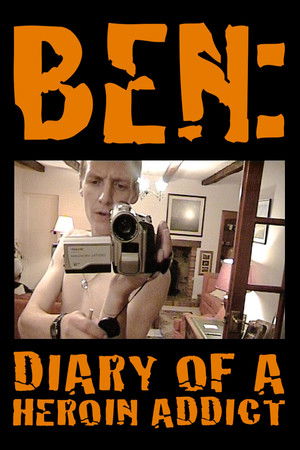
Ben Rogers was a bright schoolboy from a loving, middle class family. He played in the orchestra, loved cricket and enjoyed the annual family holiday. But his future promise was halted when he started taking drugs in his teens. Early drinking led to cannabis, harder drugs, and then the revelation to his family, at the age of 21, that he was addicted to heroin. Over the next 13 years Ben and his family battled with his addiction, going through detox, rehab and attempts at 'cold turkey', but his health gradually declined. Whilst attempting another detox aged 34, he died from a brain haemorrhage. But during the last two years of his life, Ben filmed an unflinching video diary showing his final desperate attempts to come off heroin. It's a portrayal of his descent; intimate, raw, and at times difficult to watch, he talks to his glove puppet as he injects into a vein in his groin.
Intoxicants offered Pinja a connection to her mother. What will their lives be based on when they both decide to get sober?
Kingsley, Kevin, and Hailey are three ambitious eighth graders preparing for a single exam that could determine their futures. They’re competing for admission to New York City’s Specialized High Schools, elite public institutions that have produced Nobel Prize laureates, astronauts, judges, artists, and national leaders. But as the kids await their test results, a citywide battle is raging over who should attend these schools—the kids who score highest on the entrance exam or the kids who improve diversity. Featuring interviews with kids, parents, and education leaders, If You Can Make It Here places young students at the center of a high-stakes cultural conflict over the future of equity and excellence in public education.
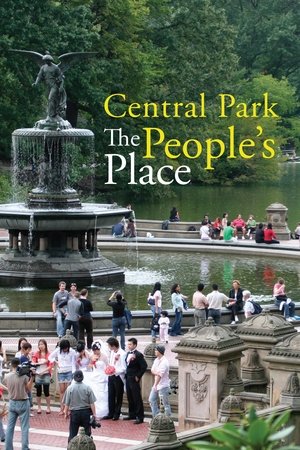
Central Park: The People’s Place is a loving portrait of New York’s collective backyard. It is a biography of a living place that continues to evolve as the city changes. The documentary explores its historic creation as the first truly public park, its psychological and sociological significance, artistic design, and role as an urban oasis as the world becomes increasingly aware of the importance of green spaces. The film celebrates nature’s seasonal changes with beautiful photography and original music that capture the “good vibes” of a park filled with New Yorkers at play. Home to birdwatchers, sunbathers, kids playing in the snow, musicians giving impromptu concerts and big events like Shakespeare in the Park and the New York City Marathon, Central Park is central to the life of the city. Central Park: The People’s Place examines both the collective and individual experiences of Central Park, rejoicing in the diversity and splendor of an American experiment in social democracy.
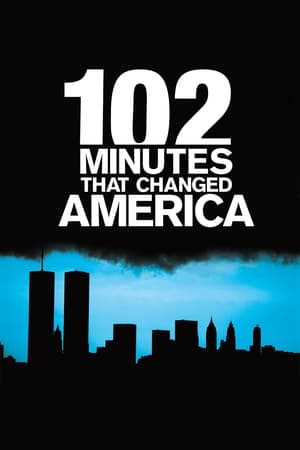
The morning of September 11, 2001 is shown through multiple video cameras in and around New York City, from the moment the first WTC tower is hit until after both towers collapse.
A highly sophisticated program documenting the night life of Bowling Green, Ohio.
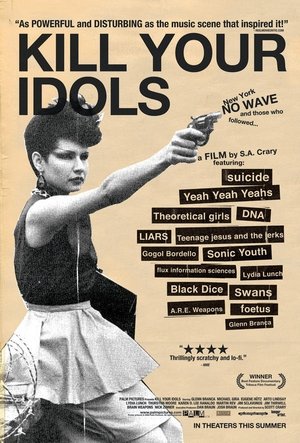
A 2004 documentary on thirty years of alternative rock 'n roll in NYC.Documenting the history from the genuine authenticity of No Wave to the current generation of would be icons and true innovators seeing to represent New York City in the 21st century
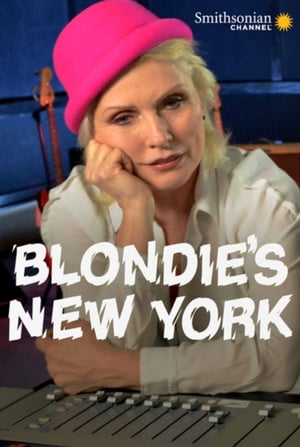
The story behind Blondie's album Parallel Lines, which sold 16 million copies and captured the spirit of 1970s New York at a time of poverty, crime and an exploding artistic life.
In 2010, an obsessed gamer designed the perfect game of Sim City. Achieved through a repeating pattern of clustered high rises, “Magnasanti” exposes the hellish consequences of top-down civic design. In his new documentary, John Wilson explores how New York City is creeping closer and closer to realising this fictional metropolis.
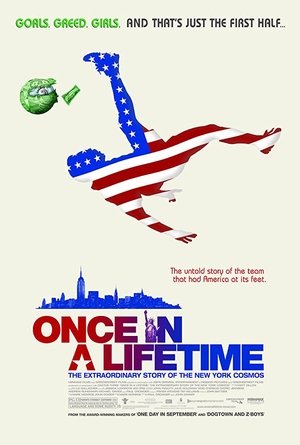
In the 1970s the North American Soccer League marked the first attempt to introduce soccer to American sports fans. While most teams had only limited success at best, one managed to break through to genuine mainstream popularity - the New York Cosmos. The brainchild of Steve Ross (Major executive at Warner Communications) and the Ertegun brothers (Founders of Atlantic Records), the Cosmos got off to a rocky start in 1971, but things changed in 1975 when the world's most celebrated soccer star, the Brazilian champion Pele, signed with the Cosmos for a five-million-dollar payday. With the arrival of Pele, the Cosmos became a hit and the players became the toast of the town, earning their own private table at Studio 54. A number of other international soccer stars were soon lured to the Cosmos, including Franz Beckenbauer, Rodney Marsh, and Carlos Alberto, but with the turn of the decade, the team began losing favor with fans and folded in 1985.