For the third time, HBO cameras go inside Trenton State Maximum Security Prison--and inside the mind of one of the most prolific killers in U.S. history--in this gripping documentary. Mafia hit man Richard Kuklinski freely admits to killing more than 100 people, but in this special, he speaks with top psychiatrist Dr. Park Dietz in an effort to face the truth about his condition. Filled with more never-before-revealed confessions, it's the most chillingly candid Iceman special yet as it combines often-confrontational interview footage between Kuklinski and Dietz with photos, crime reenactments and home movies that add new layers to this evolving and fascinating story.
An analysis of Quentin Dupieux's film "Incredible But True" by film critic Elena Lazic.
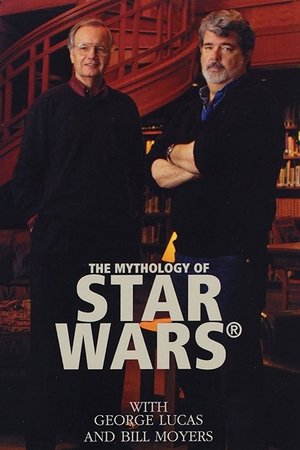
George Lucas discusses how Joseph Campbell and his concept of the Monomyth (aka the Hero's Journey) and other concepts from mythology and religion shaped the Star Wars saga.
An analysis of the critical themes in Dario Argento's 70s Giallo "Deep Red".
Author Stephen Thrower analyzing the themes and characters of Mario Bava's proto-slasher "A Bay of Blood".
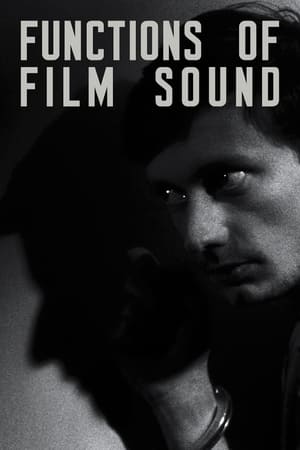
This visual essay sets clips from Robert Bresson's "A Man Escaped" to a reading of "Functions of Film Sound," a chapter from David Bordwell and Kristin Thompson's book "Film Art." The chapter analyzes the sound design of Bresson's masterpiece as a means of discussing the use of sound in film.
Video essay exploring Luca Guadagnino's filmmaking methods, focusing on the passionate dynamics of desire and ardent longing for connection that sizzles across his cinema.
Richard Kuklinski was a devoted husband, loving father--and ruthless killer of over 100 people. You'll meet him in this powerful documentary that features one of the most vivid and disturbing interviews ever recorded--taped behind the walls of the prison where Kuklinski is serving two consecutive life sentences for multiple homicide.
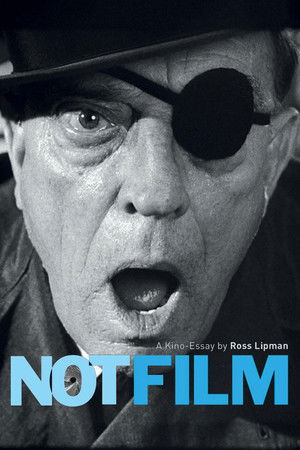
NOTFILM is a feature-length experimental essay on FILM -- its author Samuel Beckett, its star Buster Keaton, its production and its philosophical implications -- utilizing additional outtakes, never before heard audio recordings of the production meetings, and other rare archival elements.
A 60th anniversary retrospective documentary on the influence and context of the 1962 film, To Kill a Mockingbird.
A series of interviews between film historians Jonathan Rigby, Kevin Lyons, John J. Johnston and several others that tracks the events which led to the making of the film The Horror of Frankenstein and the state of the Hammer studio at the time.
Insights on Ashes and Diamonds (1958) from the director Andrzej Wajda, filmmaker Janusz "Kuba" Morgenstern, and film critic Dr. Jerzy Plazewski.
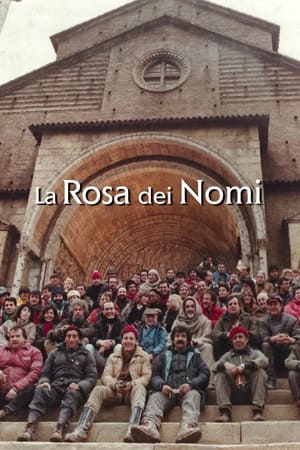
La rosa dei nomi
Agatha Christie contre Hercule Poirot : Qui a tué Roger Ackroyd ?
Umberto Eco, the author of best-selling novels who passed away in February 2016, unveils the secrets behind his undertakings and novels.
The cult film *Dirty Dancing* (1987) made cinema history with its iconic soundtrack, unforgettable dance scenes, and summer romance. Yet, beneath the seemingly lighthearted love story lies a political dimension: the film addresses key aspects of female emancipation and engages with the struggle for the right to abortion.
A documentary on the genesis, writing, shooting and analysis of the film "The Name of the Rose".
Arguing that advertising not only sells things, but also ideas about the world, media scholar Sut Jhally offers a blistering analysis of commercial culture's inability to let go of reactionary gender representations. Jhally's starting point is the breakthrough work of the late sociologist Erving Goffman, whose 1959 book The Presentation of the Self in Everyday Life prefigured the growing field of performance studies. Jhally applies Goffman's analysis of the body in print advertising to hundreds of print ads today, uncovering an astonishing pattern of regressive and destructive gender codes. By looking beyond advertising as a medium that simply sells products, and beyond analyses of gender that tend to focus on either biology or objectification, The Codes of Gender offers important insights into the social construction of masculinity and femininity, the relationship between gender and power, and the everyday performance of cultural norms.
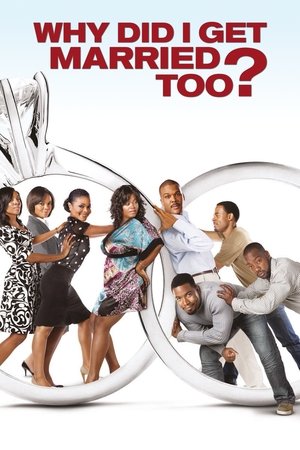
Four couples reunite for their annual vacation in order to socialize and to spend time analyzing their marriages. Their intimate week in the Bahamas is disrupted by the arrival of an ex-husband determined to win back his recently remarried wife.
L'Amour Bouffe