Painter Zdzisław Beksiński, his wife Zofia and their son Tomasz, a well-known radio journalist and translator, were a typical and unconventional family, both at the same time. One of the father’s obsessions was filming himself and his family members. Using archival footage only, shot primarily by Zdzisław, as well many other materials, which have not been presented anywhere so far, the film tells a tragic story of the Beksińskis that has never ceased to fascinate Polish filmmakers.
An intimate documentary chronicling the rise of the band Counting Crows and the unrelenting pressure that followed their breakout success. Centered on frontman Adam Duritz, the film explores the emotional aftermath of the band’s landmark studio album debut “August and Everything After” and the pressures and creative process of making their follow-up album “Recovering the Satellites.”
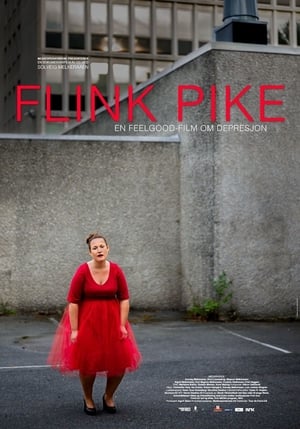
Dépression, de l'ombre à la lumière
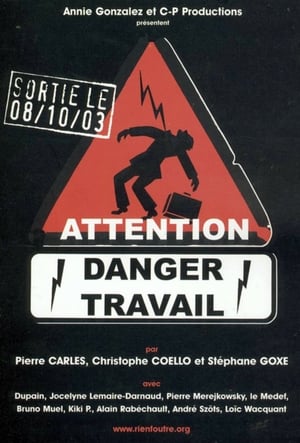
A historical perspective to understand Neoliberalism and to understand why this ideology today so profoundly influences the choices of our governments and our lives.
An intimate portrait of Matthew Shepard, the gay young man murdered in one of the most notorious hate crimes in U.S. history. Framed through a personal lens, it's the story of loss, love, and courage in the face of unspeakable tragedy.
Using home videos recorded by her voice coach, Diana takes us through the story of her life.
Cruelty, psychological and sexual violence, humiliations: reality television seems to have gone mad. His debut in the early 2000s inaugurated a new era in the history of the audio-visual. Fifty years of archives trace the evolution of entertainment: how the staging of intimacy during the 80s opened new territories, how the privatization of the biggest channels has changed the relationship with the spectator. With the contribution of specialists, including philosopher Bernard Stiegler, this documentary demonstrates how emotion has made way for the exacerbation of the most destructive impulses.
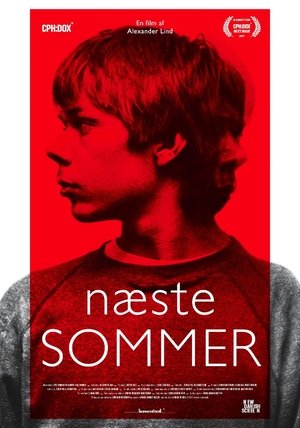
When Rasmus was 15, his mother and siblings moved from the island Bornholm and left Rasmus with his mentally ill father. Influenced by his father's insecurity, anger and failure, Rasmus chooses to move from Bornholm at the age of 18. Two years later, Rasmus is trying to see if a reunion is possible, but in order to forgive and create a new relationship, father and son must go on a common journey that requires extreme courage and determination to succeed.
A gaze dimmed by hope that all will mend in time, shadowed by the quiet dread that sorrow, too, must come.
In a world obsessed with happiness, so many of us are feeling more lost than ever. After a life-altering accident, Tim travels across four countries to explore how we define happiness — and whether we’re even asking the right questions. What he discovers could change the way we live, and what we value, forever.
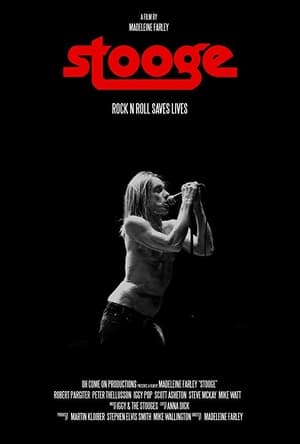
Stooge is a feature documentary about Robert Pargiter, Iggy Pop's No1 fan. It covers the three years leading up to his 50th birthday when he tries to track his hero down in a final absolution. His journey has taken him all over the world in search of redemption after years of struggling with addiction, of coping with depression, and of celebrating the communal lust that is Rock'n Roll.
THE SCIENCE OF TAPPING is a collection of videos about the practice of Emotional Freedom Techniques (or "tapping"). Tapping techniques are interventions that apply principles of Chinese medicine for self-regulation — especially for the relief of chronic stress, anxiety, or pain. Interviewees discuss the evidence basis for the benefits of manually percussing some associated acupuncture points.
Documentary film about four families in Pori, Finland, all struggling with unemployment and poverty.
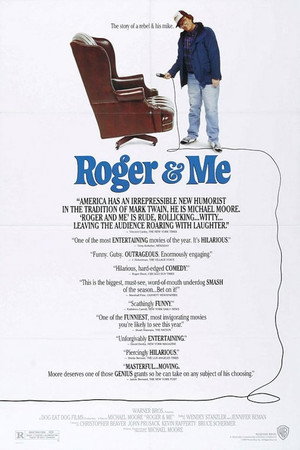
A documentary about the closure of General Motors' plant at Flint, Michigan, which resulted in the loss of 30,000 jobs. Details the attempts of filmmaker Michael Moore to get an interview with GM CEO Roger Smith.
The story of an asylum seeker in England who, when confronted with the hostile immigration system in the UK, is forced to live on the fringes of society and rely on his bike to survive. Based on the lived experience of co-writer Ayman Alhussein.
The story of six young people addicted to heroin in Sofia, Bulgaria.
The film tells a very personal story from two perspectives: our protagonist is both doctor and patient. As a patient, he has struggled with recurring depression for years, and as a doctor he wants to find out why. The search for the origins of his illness leads him into the realm of his own genes and casts light on the fundamental changes facing modern society as a result of the tremendous progress being made in the field of genetic sequencing. Along the way, he meets a host of people – researchers, artists, visionaries – who have developed their own very individual approach to genetic coding and are drawing attention to the social significance of genetic technology. The film does not restrict itself to a scientific view of the subject but also makes use of artistic visions and more playful approaches to genetic blueprints.
The world lost Hayden Hunstable to suicide in the middle of the mandated stay-at-home orders on April 17th, just 4 days before his 13th birthday. Hayden did not struggle with depression nor did he have a history of mental health problems. He was a normal healthy and happy kid who was unprepared for social isolation. His parents attribute Hayden’s emotional suffering to a “perfect storm of routine disruption, social isolation, increased gaming, and a pressure stack of activity cancellations,” all created by the government’s mandated stay-at-home orders in the wake of the COVID-19 global pandemic.
The Idle Ones is a profile of contemporary affairs - somewhere on the edge of Europe - in a place where unemployment for some young people is fast becoming a way of life. Covering a period of 18 months, the film follows the activities of a group of young men in their 20s who have finished their schooling and stayed in their home village - they loaf about unemployed since they can´t find any work in the remote district. The main characters are more or less idle young fellows whose stories link together and make up the film. Tinged with humour, The Idle Ones is a story about frustrated but vital young people in a period of transition, waiting for something to happen. For some, the waiting is becoming their life.
Taking the demise of a textile factory in Austria’s Waldviertel region as its starting point, with the antiquated manufacturing plant initially shown in full operation, this film poses the question of what work means for people’s self-image and character. After the factory goes bankrupt and closes, the filmmaker accompanies some of its employees as they continue to make their way, questioning them about their daily routines, the circumstances in which they live, about looking for work or the new jobs they find. One woman’s situation is precarious, but that doesn’t prevent her from bringing up her grandchildren. Another woman works here and there, flexible and resourceful. One man blossoms visibly in his newly unemployed state. Bit by bit, different aspects of their private lives and personal misfortunes emerge.