Germán Cipriano Gómez Valdés Castillo, a young radio announcer from Cuidad Juárez, succeeds in drawing attention to the pachuco movement through his character Tin Tan, laying the groundwork for a new form of binational and mass linguistic expression: Spanglish. He soon became a leading figure in theater and film on the American Continent. Singled out by critics as a destroyer of the language, he quickly won the approval of the public. His ability to improvise revolutionized the film industry. His talent as an actor, singer, dancer and comedian contributed to the Golden Age of Mexican Cinema. From El Hijo Desobediente to Capitán Mantarraya, from Cuidad Juárez to Havana, from mambo to rock, the legacy of Tin Tan makes him one of the great icons of Mexico today. This film tells his story as it has never been told before.
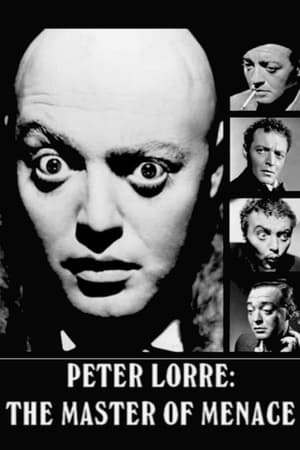
Documentary overview of Peter Lorre's ascension to fame as a master purveyor of silky but disquieting peril.
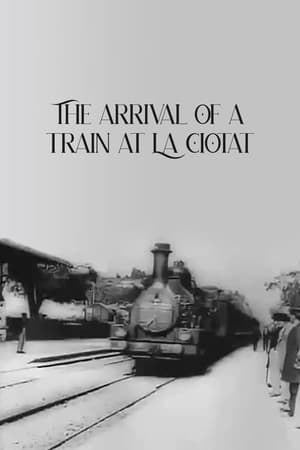
A group of people are standing along the platform of a railway station in La Ciotat, waiting for a train. One is seen coming, at some distance, and eventually stops at the platform. Doors of the railway-cars open and attendants help passengers off and on. Popular legend has it that, when this film was shown, the first-night audience fled the café in terror, fearing being run over by the "approaching" train. This legend has since been identified as promotional embellishment, though there is evidence to suggest that people were astounded at the capabilities of the Lumières' cinématographe.
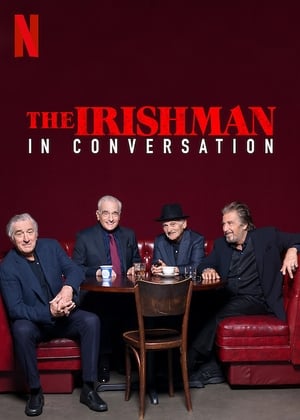
Martin Scorsese, Robert De Niro, Joe Pesci, and Al Pacino in conversation about The Irishman.
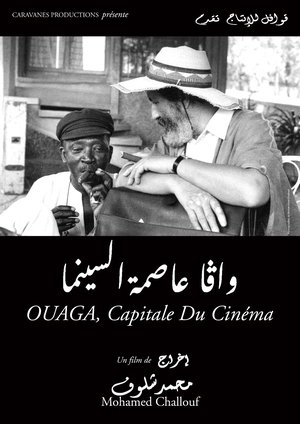
Between 1983 and 1987, Ouagadougou, the capital of Burkina Faso and the home city of FESPACO, one of the most important Pan-African film festivals in the world, was the scene of an exciting cinema utopia. With the support of the young president Thomas Sankara, the festival became a symbol of the cultural renaissance of a whole continent. The assassination of Sankara stifled the hopes of millions of young Africans, but the dynamism of FESPACO and African cinema did not stop.
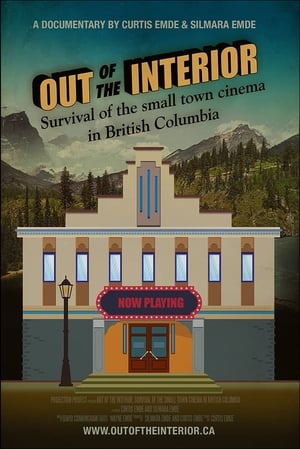
The hard-working cinema owners and operators of the small towns found in BC's southern interior are doing more than showing movies and selling popcorn––they are bringing their communities together.
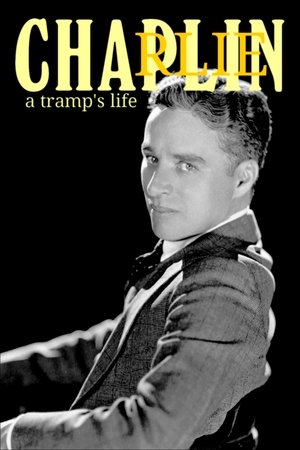
A biographical documentary about the great British actor and director Charlie Chaplin (1889-1977), from rags to riches, from the slums of London to glory.
Metalanguage and irony about what makes a film, film.
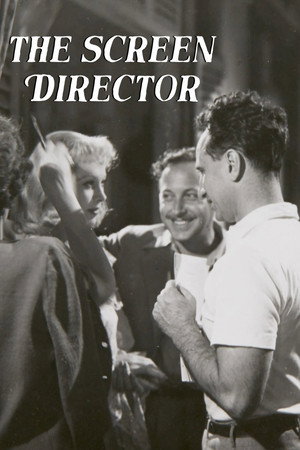
A behind-the-scenes look at all the responsibilities (and headaches) a director assumes when making a motion picture.
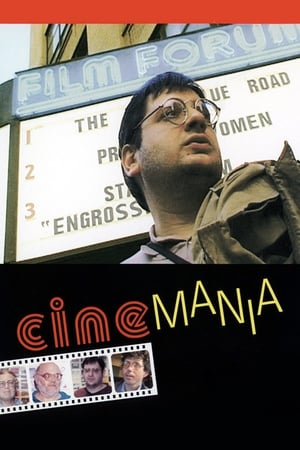
This documentary about the culture of intense cinephilia in New York City reveals the impassioned world of five obsessed movie buffs. These human encyclopedias of cinema see two to five films a day, and from 600 to 2,000 films per year. This is the story of their lives, their memories, their unbending habits and the films they love.
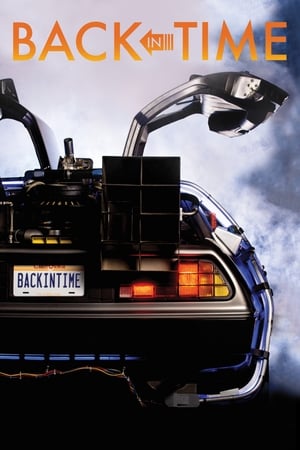
Cast, crew and fans explore the "Back to the Future" time-travel trilogy's resonance throughout our culture, thirty years after Marty McFly went back in time.
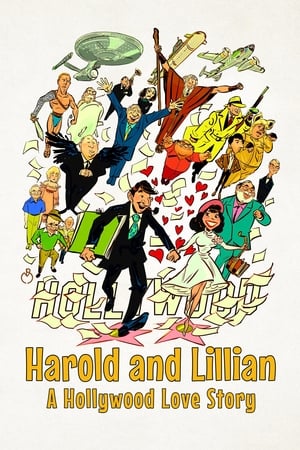
Working largely uncredited in the Hollywood system, storyboard artist Harold and film researcher Lillian left an indelible mark on classics by Alfred Hitchcock, Steven Spielberg, Mel Brooks, Stanley Kubrick, Roman Polanski and many more.
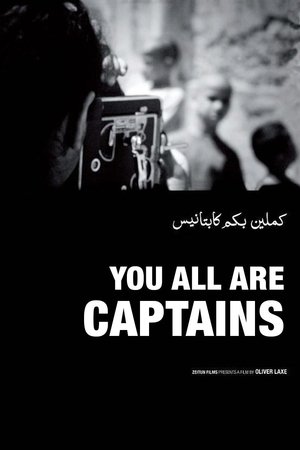
A European director is making a film with children from a social center in Tangiers. Because of his methods, his relationship with the children during shooting degenerates and transforms the evolution of the project.
The film follows 8 contestants as they compete as part of the Movie Watching Championship, all trying to break the World Record for most consecutive hours without sleep...while watching movies...in the middle of Times Square.
The 70th anniversary of the “Fotogramas” magazine comes in the shape of a sentimental voyage through the history of Spanish cinema thanks to a mosaic of voices represented by people who make films, those who write them and those who consume them. The documentary pays tribute to the readers of “Fotogramas” helped by the leading figures of Spanish cinema, who will read to the camera the most representative letters received at its offices in the history of the magazine.
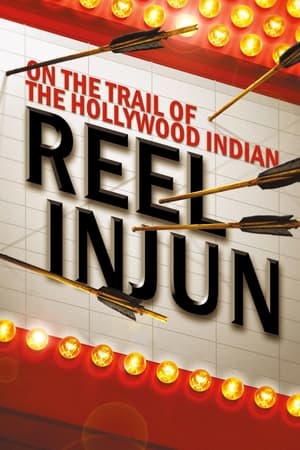
The evolution of the depiction of the various Native American peoples in cinema, from the silent era to the present day: how their image on the screen has changed the way to understand their history and culture.
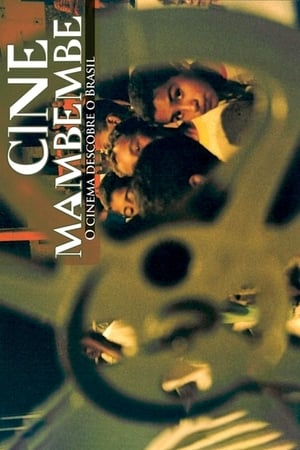
Laís Bodanzky and Luiz Bolognesi travel around the small cities of Brazil, exhibiting short films in public squares. From the south of Bahia to the farthest parts of Amazon, this documentary discovers a country that watches a movie and sees itself on the screen for the very first time, in the turning of the 21st century. What’s seen and heard is truly surprising.
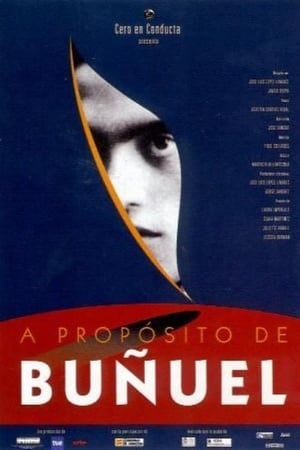
Surrealist master Luis Buñuel is a towering figure in the world of cinema history, directing such groundbreaking works as Un Chien Andalou, Exterminating Angels, and That Obscure Object of Desire, yet his personal life was clouded in myth and paradox. Though sexually diffident, he frequently worked in the erotic drama genre; though personally quite conservative, his films are florid, flamboyant, and utterly bizarre.
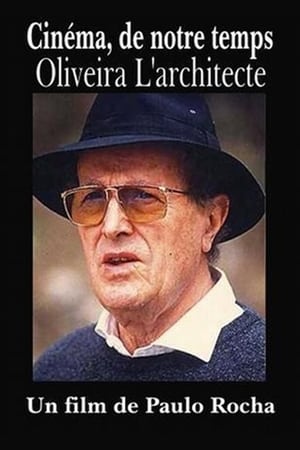
Paulo Rocha catches up with his “beloved subject” in Porto, where he made Douro, Faina Fluvial in 1929, and where today Oliveira reminisces about the figure of his father, his first experience of cinema as an actor, his past as a racing driver, his first technical experiences…
Documentary about two young Spanish filmmakers who challenge Jean Luc Godard to a tennis match, and in the way to the game, they will visit his colleagues, and friends in order to know him, and offer a new approach to his work and his personality.