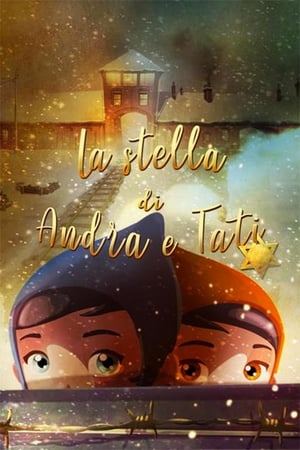
Little Andra and Tati Bucci, Italian Jews from Fiume, were 6 and 4 years old when, on March 29, 1944, they were deported to Auschwitz together with their mother, grandmother, aunt, and little cousin Sergio. They managed to survive the initial selections in the concentration camp because Dr. Mengele mistook them for twins and decided to take them to the Kinderblock, the barracks for children destined for eugenics experiments. The bond they formed with each other and the compassion of a female camp guard allowed the little sisters to survive until the liberation of the camp on January 27, 1945.
The film tells the story of a member of the Polish underground who acted as a courier during World War II and whose most prominent mission was to inform the Allied powers of Nazi crimes against the Jews of Europe in an effort to prevent the Holocaust.
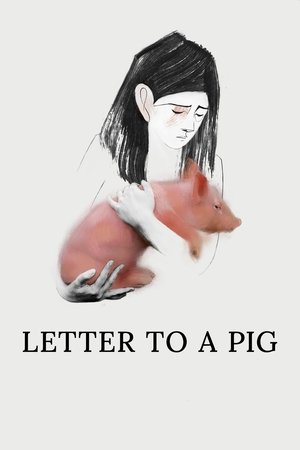
A Holocaust survivor reads a letter he wrote to the pig who saved his life. A young schoolgirl hears his testimony in class and sinks into a twisted dream where she confronts questions of identity, collective trauma, and the extremes of human nature.
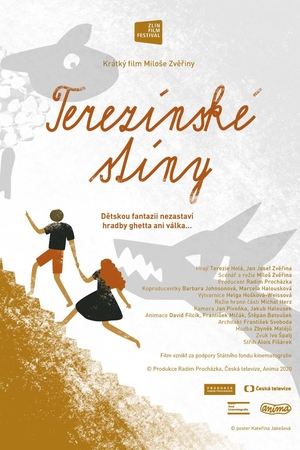
Animation of recently discovered floor drawings on the wall of the former ghetto, combined with a reference to the opera Brundibár, which was supposed to become proof to the world of the wonderful lives of imprisoned children.
Brussels, Belgium, 1959. Michel and Charly Kichka, two Jewish brothers, enjoy a happy childhood with their parents and their two sisters. Henri, their discreet and usually silent father, does not speak at all about his past, so they imagine that as a young man he was an adventurer, a pirate or a treasure hunter.
A Jewish town is burning. The figures of the dying inhabitants are inscribed in organic sculptures. A male choir sings the 'S’brent, unzer sztetl brent' (Fire, our town is on fire) song by Mordechaj Gebirtig.
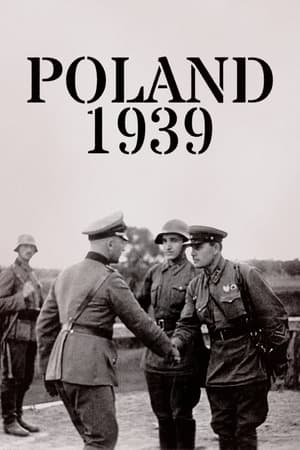
September 1st, 1939. Nazi Germany invades Poland. The campaign is fast, cruel and ruthless. In these circumstances, how is it that ordinary German soldiers suddenly became vicious killers, terrorizing the local population? Did everyone turn into something worse than wild animals? The true story of the first World War II offensive that marks in the history of infamy the beginning of a carnage and a historical tragedy.
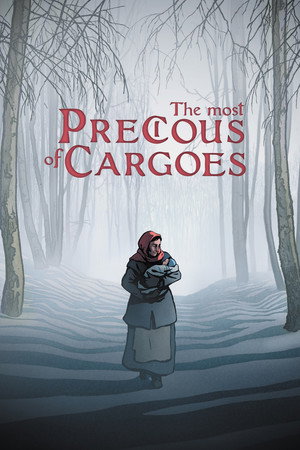
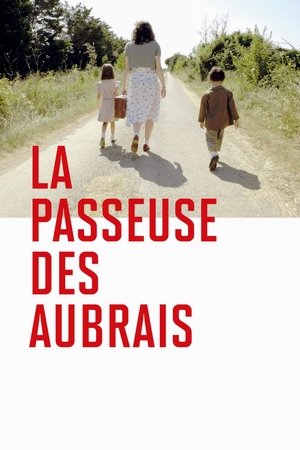
Once upon a time, a poor woodcutter and his wife lived in a great forest. Cold, hunger, poverty, and a war raging all around them meant their lives were very hard. One day, the woodcutter's wife rescues a baby. A baby girl thrown from one of the many trains that constantly pass through the forest. This baby, this "most precious of cargoes", will transform the lives of the poor woodcutter's wife and her husband, as well as those whose paths the child will cross—including the man who threw her from the train. And some will try to protect her, whatever the cost. Their story will reveal the worst and the best in the hearts of men.
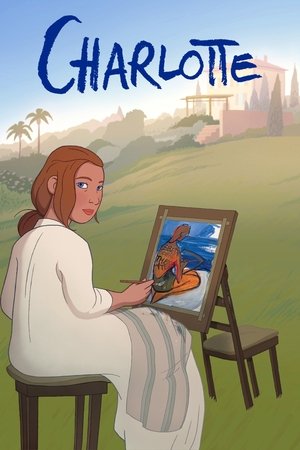
The true story of Charlotte Salomon, a young German-Jewish painter who comes of age in Berlin on the eve of the Second World War. Fiercely imaginative and deeply gifted, she dreams of becoming an artist. Her first love applauds her talent, which emboldens her resolve. When anti-Semitic policies inspire violent mobs, she escapes to the safety of the South of France. There she begins to paint again, and finds new love. But her work is interrupted, this time by a family tragedy that reveals an even darker secret. Believing that only an extraordinary act will save her, she embarks on the monumental adventure of painting her life story.
Nyosha is a ten year old girl. She dreams of buying a pair of shoes during the reality of a pitiless war. She believes that because of her shoes, she will stay alive.A range of animation techniques brings together the dream and the reality and tells Nyosha's story.
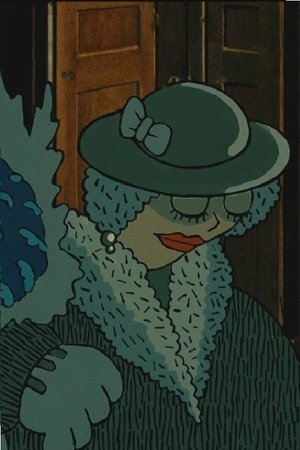
The film follows Mrs. Sarika's departure to a Jewish retirement home. What was supposed to be a peaceful end to life, turns into the horror of the Holocaust, and she herself becomes a victim.
Argentina, 1960: a true crime story of how secret agent Zvi Aharoni hunts down one of the highest-ranking Nazi war criminals on the run.
A film about friendship in difficult times, Auschwitz.
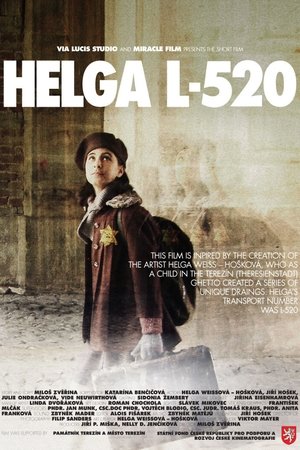
Helga L-520
The story of the only three minutes of footage —a home movie shot by David Kurtz in 1938— showing images of the Jewish inhabitants of Nasielsk (Poland) before the beginning of the Shoah.
A touching story of an Italian book seller of Jewish ancestry who lives in his own little fairy tale. His creative and happy life would come to an abrupt halt when his entire family is deported to a concentration camp during World War II. While locked up he tries to convince his son that the whole thing is just a game.
Their names are Chorowicz, Cyroulnik, Glichtzman, Feldhandler... They were born in France, after the second world war. Their families came from Central and Eastern Europe in the 20s and 30s, fleeing antisemitism and poverty. After the Holocaust, they grew up among ghosts, between anger, a desire for vengeance and a will to change the world. In the 60s and 70s, they became activists. Through their personal stories and the tale of their internationalist and antifascist struggle, the movie shows the audacity of those years of dissent.
In 1961, history was on trial... in a trial that made history. Just 15 years after the end of WWII, the Holocaust had been largely forgotten. That changed with the capture of Adolf Eichmann, a former Nazi officer hiding in Argentina. Through rarely-seen archival footage, The Eichmann Trial documents one of the most shocking trials ever recorded, and the birth of Holocaust awareness and education.
Shoshana
In 1944 Poland, a Jewish shop keeper named Jakob is summoned to ghetto headquarters after being caught out after curfew. While waiting for the German Kommondant, Jakob overhears a German radio broadcast about Russian troop movements. Returned to the ghetto, the shopkeeper shares his information with a friend and then rumors fly that there is a secret radio within the ghetto.