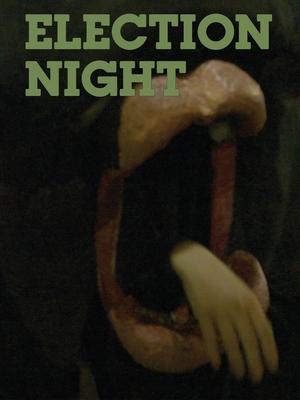
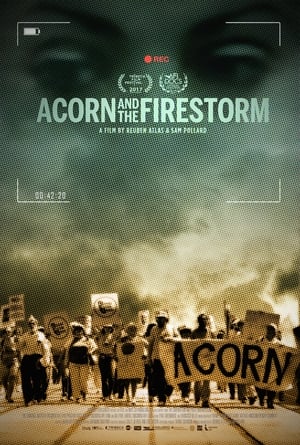
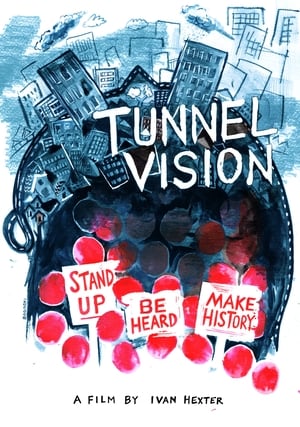
A personal reflection on 2020's Black Lives Matter protests.
With unprecedented access, this documentary looks into the hidden world of one of Russia's most impenetrable and remote institutions - a maximum security prison exclusively for murderers. Deep inside the land of the gulags, this is the end of the line for some of Russia's most dangerous criminals - 260 men who have collectively killed nearly 800 people. The film delves deep into the mind and soul of some of these prisoners. In brutally frank and uncensored interviews the inmates speak of their crimes, life and death, redemption and remorselessness, insanity and hope. The film tracks them though their unrelenting days over several months, lifting the veil on one of Russia's most secretive subcultures to reveal what happens when a man is locked up in a tiny cell for 23 hours every day, for life. A startling insight into inscrutable minds and the forbidding world they have been condemned to. (Storyville)
This FitzPatrick Miniature visits the Union of Soviet Socialist Republics (USSR), the largest geographically unbroken political unit in the world, covering one-sixth of the world's land mass.
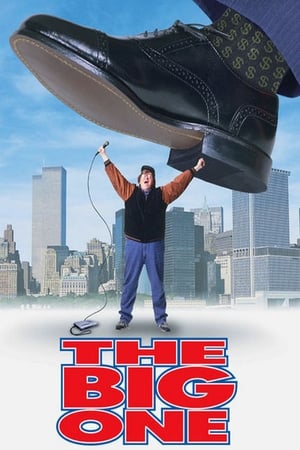
The Big One is an investigative documentary from director Michael Moore who goes around the country asking why big American corporations produce their product abroad where labor is cheaper while so many Americans are unemployed, losing their jobs, and would happily be hired by such companies as Nike.
The band OK Go gives viewers a look at the behind-the-scenes work -- and 21 flights -- that went into filming their famous zero-gravity music video.
What does a retired police officer, a dog trainer, the founder of a political party and anti-government protesters have in common? They've all met on the streets of Bucharest, 23 years after the Romanian Revolution, determined to reclaim the public space. Vlad Petri is following their stories for one year, from the first days of the anti-government protests to the final days of the Referendum against the President. The film raises questions about the role of the public space, the power of the individual and the understanding of democracy in a society caught between a communist past and an uncertain future.
Shoot The People is a documentary capturing photographer and activist Misan Harriman’s journey documenting global protest movements that drive social change. Following Harriman as he highlights the resilience of grassroots activists fighting for equality, civil rights, and social justice, the film showcases the intersectionality of these movements and their collective power. With historical context, interviews with activists, and explorations of digital activism, the documentary reveals how Harriman's lens brings the world's activism to light, inspiring viewers to recognize their own power in shaping a more just society.
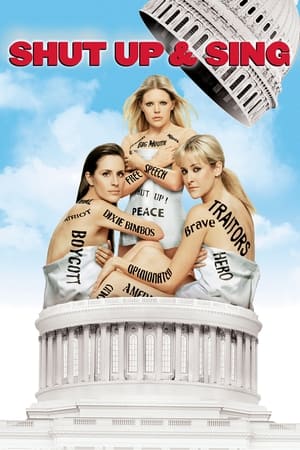
Shut Up and Sing is a documentary about the country band from Texas called the Dixie Chicks and how one tiny comment against President Bush dropped their number one hit off the charts and caused fans to hate them, destroy their CD’s, and protest at their concerts. A film about freedom of speech gone out of control and the three girls lives that were forever changed by a small anti-Bush comment
In the winter of 2002-'03, as the US was building its case to attack Iraq, people around the world responded with a series fo the largest peace protests in history. Shutdown: The Rise and Fall of Direct Action to Stop the War, is an action-packed documentary chronicling how DASW successfully organized to shut down a major US city and how they failed to effectively maintain the organization to fight the war machine and end the occupation of Iraq. Created by organizers involved with DASW, Shutdown combines detailed information on organizing for a mass action, critical interviews on organizing pitfalls, and the wisdom of hindsight. It is a must-see film for those engaged in the continuous struggle toward social justice.
The moment where American sprinters Tommie Smith and John Carlos raised their gloved hands in defiance on the podium at the 1968 Mexico City Olympics is one of the most memorable images in sports history. But there is a third man in the photo, the white Australian who finished second to Smith and ahead of Carlos in the 200 meters. His name is Peter Norman, and he stands in quiet solidarity with them. Norman’s story is retold in this film with passion and perspective.
The actor Gøril Mauseth goes on a 11.000 kilometer travel with the Trans-Siberian to play Anna Karenina in a new language in Leo Tolstoj's Russia, discovering the language, and the reasons Tolstoj wrote what he wrote, changing her forever.
This documentary takes the viewer on a deeply personal journey into the everyday lives of families struggling to fight Goliath. From a family business owner in the Midwest to a preacher in California, from workers in Florida to a poet in Mexico, dozens of film crews on three continents bring the intensely personal stories of an assault on families and American values.
Kherson, Ukraine's embattled city, has endured invasion, occupation, and liberation. On February 24, 2022, Russian tanks entered Kherson, leading to brutal occupation marked by violence. Despite being outnumbered, local defense forces resisted, and citizens protested under the slogan "Kherson is Ukraine!" An underground resistance formed, led by brave individuals like journalist Valentyna and others who risked arrest and torture to support the cause. After nine months, Ukrainian forces liberated Kherson, but Russian destruction left the city in chaos. Shelling and drone attacks became relentless, and in June 2023, a dam explosion flooded the city, causing further devastation. Despite these challenges, Kherson's spirit remained unbroken, with citizens embracing arts and resilience. By August 2024, drone attacks specifically targeted civilians, yet the city resisted, determined to rebuild and reclaim its identity, refusing to succumb to ruin.
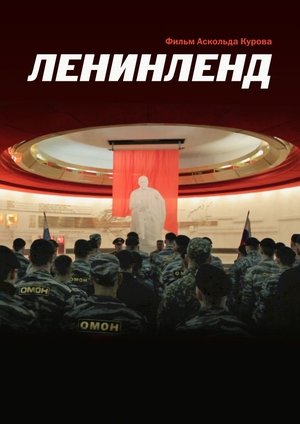
At the peak of Perestroika, in 1987, in the village of Gorki, where Lenin spent his last years, after a long construction, the last and most grandiose museum of the Leader was opened. Soon after the opening, the ideology changed, and the flow of pilgrims gradually dried up. Despite this, the museum still works and the management is looking for ways to attract visitors. Faithful to the Lenin keepers of the museum as they can resist the onset of commercialization. The film tells about the modern life of this amazing museum-reserve and its employees.
“El apagón: Aquí vive gente” is a 23-minute film that explores the socio-economic challenges in Puerto Rico, focusing on the effects of power outages and gentrification driven by the real estate and energy sectors. Through visuals and personal stories, the documentary highlights the experiences of Puerto Rican communities facing these issues.
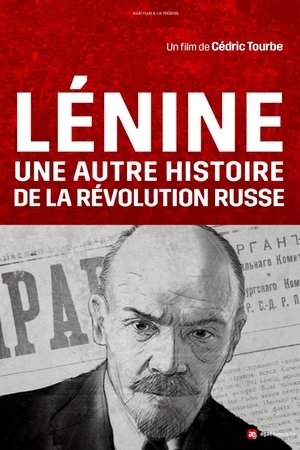
Vladimir Ilyich Ulyanov, better known as Lenin, is remembered as the instigator of the October Revolution of 1917 and, therefore, as one of the men who changed the shape of the world at that time and forever, but perhaps the actual events happened in a way different from that narrated in the history books…
It’s the last dictatorship of Europe, caught in a Soviet time-warp, where the secret police is still called the KGB and the president rules by fear. Disappearances, political assassinations, waves of repression and mass arrests are all regular occurances. But while half of Belarus moves closer to Russia, the other half is trying to resist…
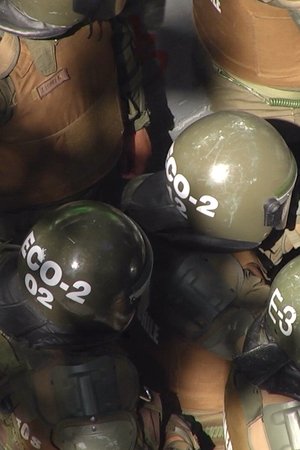
La Revuelta accounts for the tension experienced by those who, as of October 2019, came out to express their social discontent. The work has as its main stage, renamed by the people, as "Plaza de la Dignidad". It is a choral story, woven with the reflections of the protesters under the protection of the contextualization of a story in off that is unraveling the causes and effects of the outbreak. Thus, more than three years after the social demonstration, La Revuelta, is presented as a critical and contestative reflection, around the popular protest maintained by a people that took 30 years to awaken.
While investigating the furtive world of illegal doping in sports, director Bryan Fogel connects with renegade Russian scientist Dr. Grigory Rodchenkov—a pillar of his country’s “anti-doping” program. Over dozens of Skype calls, urine samples, and badly administered hormone injections, Fogel and Rodchenkov grow closer despite shocking allegations that place Rodchenkov at the center of Russia’s state-sponsored Olympic doping program.
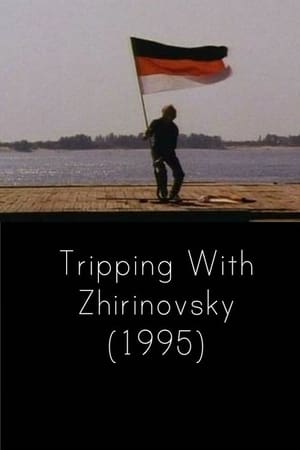
A candid, fly-on-the-wall BBC television documentary portrait of Russian Nationalist politician, Vladimir Zhirinovsky. The film shows the leader on a cruise surrounded by two hundred supporters getting plenty of media attention in New York. We are left with the nagging question: to what extent is Zhirinovsky really dangerous? To take that further, to what extent are populist politicians truly dangerous?