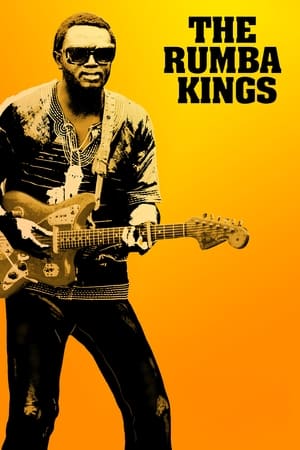
The story of James Cotton, harmonica powerhouse, whose music shaped blues and rock. Orphaned at 9, Cotton’s life tracks America’s history—from the post-depression cotton fields of the Mississippi Delta to being mentored by the original Delta bluesmen, to Chicagoland’s artistic reinvention to the live music scene in Austin, Texas.
This 135-minute documentary offers to reopen this magical parenthesis which has seen the birth of a whirlwind of artists with very different styles. From Chantal Goya to Annie Cordy, from Pierre Perret to Carlos. They knew how to bring each in their own way generations of children into their poetic universe.
What if French Rock were born with Edith Piaf? From sweet sixties pop to today's gender-indifferent anthems, from feminist rebels of the seventies to fashion icons of the social media age, from Françoise Hardy to Christine & The Queens, via Vanessa Paradis, Catherine Ringer, Charlotte Gainsbourg and many more, Oh Les Filles! tells the untold story of French female rock stars. Narrated by Clémence Poésy, this groundbreaking documentary combines interviews and iconic footage to radically reverse perspectives and give the patriarchy a kick!
An intimate look at the Woodstock Music & Art Festival held in Bethel, NY in 1969, from preparation through cleanup, with historic access to insiders, blistering concert footage, and portraits of the concertgoers; negative and positive aspects are shown, from drug use by performers to naked fans sliding in the mud, from the collapse of the fences by the unexpected hordes to the surreal arrival of National Guard helicopters with food and medical assistance for the impromptu city of 500,000.
During the same summer as Woodstock, over 300,000 people attended the Harlem Cultural Festival, celebrating African American music and culture, and promoting Black pride and unity. The footage from the festival sat in a basement, unseen for over 50 years, keeping this incredible event in America's history lost — until now.
1-2-tip für immer - Disko in der DDR
Intimate discussion with the inhabitants of Kfarbaal, a village tucked in the mountains above Byblos. We hear them share their experiences, deceptions and dreams.
The story of four-time World Champion Panamanian boxer Roberto Durán. A one man wrecking-ball who took on the world, transcended his sport and helped inspire a nation to rise up against its CIA funded dictator to achieve independence. From his days shining shoes on the street, to packing out arenas across the world, this is the story of modern Panama and its most celebrated child.
Bosnian Croat writer Miljenko Jergović and Serbian writer Marko Vidojković replace one another by the steering wheel of Yugo, a symbol of their common past while driving on the Brotherhood and Unity Highway that stretched across five of six republics of Yugoslavia.
Ron opens a vinyl record shop in his hometown, attracting a community of music lovers and collectors. As the shop grows, he plans to expand and compete with bigger businesses, he discovers there's more to selling records than just retail.
In the early 1970s, rubber was still king in Akron, Ohio. But just a few short years later, Akron's most important product was, ever so briefly, music. In the mid-1970s, a group of local bands took over an old rubber workers' hang-out in downtown Akron called The Crypt and created a mix of punk and art rock that came to be known as "the Akron Sound." And for a while, it was almost "the next big thing." Almost. It's Everything, and Then It's Gone, a Western Reserve PBS production written and directed by Phil Hoffman., takes viewers back to a time when the music really did mean everything. And for the men and women in these local bands, it was a way out of the factory.
Documentary about jazz great Chet Baker that intercuts footage from the 1950s, when he was part of West Coast Cool, and from his last years. We see the young Baker, he of the beautiful face, in California and in Italy, where he appeared in at least one movie and at least one jail cell (for drug possession). And, we see the aged Baker, detached, indifferent, his face a ruin. Includes interviews with his children and ex-wife, women companions, and musicians.
"What would the world be like without Beethoven?" That’s the provocative question posed by this music documentary from Deutsche Welle. To answer it, the film explores how Ludwig van Beethoven's innovations continue to have an impact far beyond the boundaries of classical music, 250 years after his birth.
This winner of the 1993 Academy Award for Best Documentary Feature details the case that the 1989 invasion of Panama by the US was motivated not by the need to protect American soldiers, restore democracy or even capture Noriega. It was to force Panama to submit the will of the United States after Noriega had exhausted his usefulness.
The two-part documentary Pop & Passion tells of power and magic, but also of the pressure and excess that prevails in the pop business.
RE:MEMBER is a documentary, split into three chapters, that provides insights into the topics of memory, media, and history, specifically through the lens of two millennial participants. Through their testimonies and introspections, we start to see the rift between the media they were nostalgic for and the reality we currently live in. They also consider how our current attitudes towards media have shaped our previous environments and how we can change society to better our future generations.
A look into the birth of the soul music scene on Beale Street in Memphis, Tennessee. Chronicles the rise of soul music, the creation of many iconic songs, and the effect that the genre would have on generations to come. Featuring interviews with B.B. King, Isaac Hayes, Steve Copper, and many other legendary artists.
Lifting the lid on one of the most iconic singers, songwriters and performers of all time with a look at the most powerful moments that molded Elton John's career and identity. Highlighting each moment are Elton's own words from his writings and interviews as he reflects on each major milestone that altered the trajectory of his life.
As he reflects on routine and the frenetic pace of modern life, Laureano recalls a cartoon character from the 1990s: the Pigeon Man, a solitary, sensitive figure who lived apart from the world, caring for pigeons on a rooftop. That memory becomes the starting point for this documentary, which slowly turns into a journey of self-discovery.
In 1971 September met four young men in a garden in Gentofte. They wanted to make a band. And they soon found out that they could joke his way to one hit after another. A handful of years later had their playful approach made them Denmark's largest orchestra. But if success came easily to them, it was also their biggest problem. For besides they were hit by alcoholism and stage directing, they faced one overriding dilemma: Should they stick to the happy drengerøvs tone (young men who appear to be young, immature or inexperienced or who behave childishly), they had so much luck, or trying to become adults?