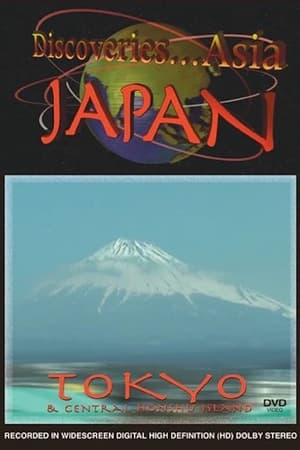
For centuries the Japanese warred among themselves and their neighbors, creating a colorful, rich and sometimes brutal legacy. Intriguing to outsiders for centuries, modern Japan is no less so In the 21st century. Focuses on Tokyo and its environs, with attention to scenery, shopping and shrines.
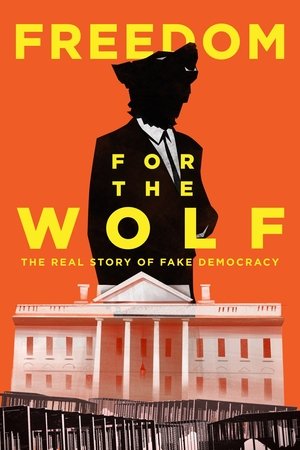
The Real Story of Fake Democracy. Filmed over three years in five countries, FREEDOM FOR THE WOLF is an epic investigation into the new regime of illiberal democracy. From the young students of Hong Kong, to a rapper in post-Arab Spring Tunisia and the viral comedians of Bollywood, we discover how people from every corner of the globe are fighting the same struggle. They are fighting against elected leaders who trample on human rights, minorities, and their political opponents.
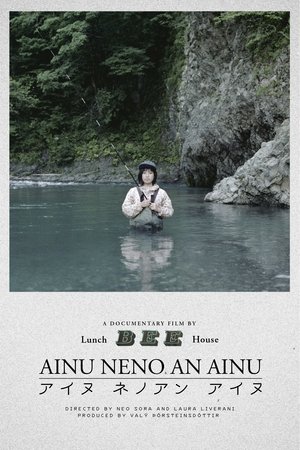
This documentary started as part of a photography project about the indigenous Ainu population in northern Japan, portraying people from tightly knit communities. They feel deeply connected by their culture and tradition. With gorgeous pictures, the directors explore how different generations of Ainu reflect on their identity after centuries of oppression.
How the Japanese process American pop culture and make it their own -- a mind-bending odyssey through cultural mixing.
Journalist Shiori Ito embarks on a courageous investigation of her own sexual assault in an improbable attempt to prosecute her high-profile offender. Her quest becomes a landmark case in Japan, exposing the country's outdated judicial and societal systems.
This one-off TV special follows the exploits of camp comic Graham Norton on a visit to Tokyo. Staying with a Japanese family, he explores the city's seedy side, visits the home of a famous Japanese make-up artist, and has an embarrassing experience with an electronic toilet/bidet.
Actual footage by the United States Signal Corps of the landing and attack on Arawe Beach, Cape Glouster, New Britain island in 1943 in the South Pacific theatre of World War Two, and the handicaps of the wild jungle in addition to the Japanese snipers and pill-box emplacements.
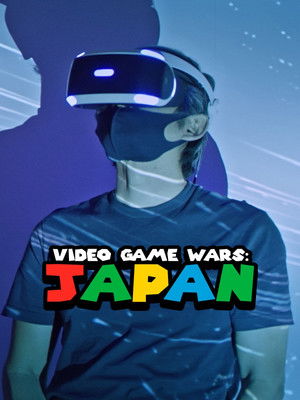
Once the undisputed king of global video gaming, the past two decades have seen Japanese dominance of the industry nosedive, and its glory days usurped by its surrounding neighbours. This documentary examines Japan’s efforts to wrestle back its top dog status and the challenges they face in this epic battle for control of a global industry estimated to be worth $US270 billion by 2025.
Documentary about a stay in Japan.
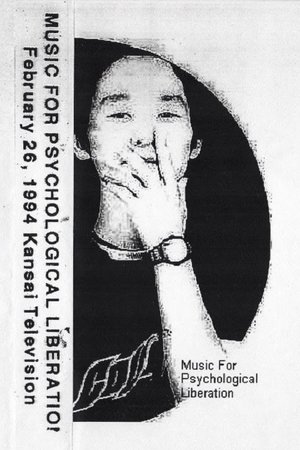
A 3 hour Japanese documentary & Live gig video of the Osaka Noise/Weirdo Rock scene in 1994. Includes Boredoms & side projects (UFO or DIE, Hanatarash, Concrete Octopus), Masonna, Incapacitants & lots more! Yamatsuka Eye gives an interview in his apartment and plays a toy guitar in his bath tub.
Japan: Hightech against earthquake
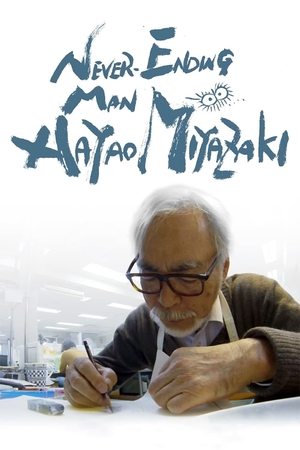
A look at legendary Japanese animator Hayao Miyazaki following his retirement in 2013.
This is the story of colorful Japanese customs and manners of the past, and their contrast with present-day Japan. We see ancient farming customs, agricultural ceremonies, ancestor worship, schoolteaching, marriage customs, sports, all against the background of beautiful Japan.
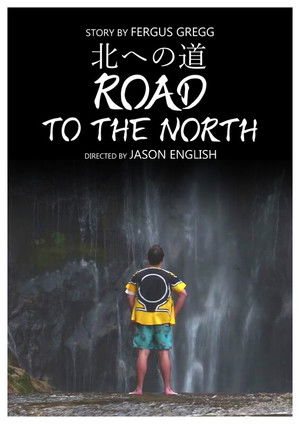
After nearly three years living in Japan, Fergus Gregg finds himself struggling to bid farewell to this beautiful country. On a journey tracing the path of his hero, the poet Matsuo Basho, Fergus decides to trek the northern landscapes of Tohoku. As he travels, he encounters more than he bargained for - facing setbacks, meetings with traditional hunter-gathers, and dances at northern Japan's largest Summer festival. Join Fergus Gregg on his 'Road to the North'.
Japan's Imperial system is said to have over 2,000 years of history. A closer look at the history reveals how the Imperial institution has shifted with the times, and with the people. At a time when there are only three heirs to the throne, a look is taken at what this could mean for the people of Japan and their Imperial system.
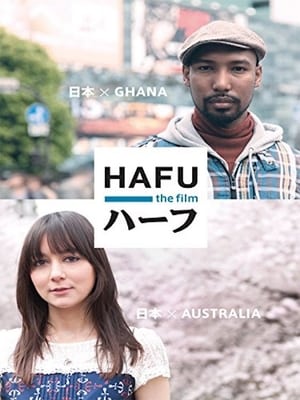
A journey into the intricacies of mixed-race Japanese and their multicultural experiences in modern day Japan. For some hafus, Japan is the only home they know, for some living in Japan is an entirely new experience, and the others are caught somewhere between two different worlds.
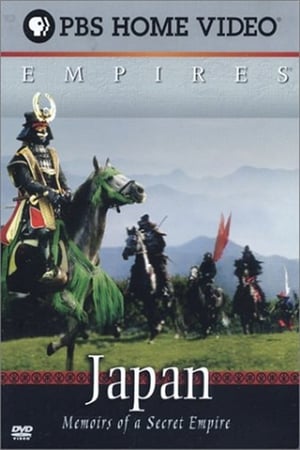
Japan blossomed into its Renaissance at approximately the same time as Europe. Unlike the West, it flourished not through conquest and exploration, but by fierce and defiant isolation. And the man at the heart of this empire was Tokugawa Ieyasu, a warlord who ruled with absolute control. This period is explored through myriad voices-- the Shogun, the Samurai, the Geisha, the poet, the peasant and the Westerner who glimpsed into this secret world.
"Heart of the Country" is the story of Shinichi Yasutomo, the extraordinary principal of a rural elementary school in Kanayama, central Hokkaido, Northern Japan. Yasutomo is a man driven by his vision for learning and his passion for educating the heart as well as the mind. The film follows Yasutomo, his teachers and staff, students and their families over the course of one entire school year. The film is also the story of the families of Kanayama. Parents and elders of this once impoverished town embrace Yasutomo's vision, but not without wary glances back to the past. This small community, bound together by love for its children, is also defined by its journey through the cultural upheavals of postwar Japan.
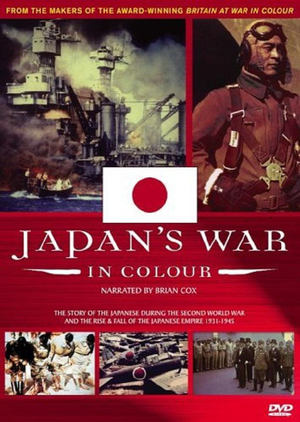
Using never-before-seen footage, Japan's War In Colour tells a previously untold story. It recounts the history of the Second World War from a Japanese perspective, combining original colour film with letters and diaries written by Japanese people. It tells the story of a nation at war from the diverse perspectives of those who lived through it: the leaders and the ordinary people, the oppressors and the victims, the guilty and the innocent. Until recently, it was believed that no colour film of Japan existed prior to 1945. But specialist research has now unearthed a remarkable colour record from as early as the 1930s. For eight years the Japanese fought what they believed was a Holy War that became a fight to the death. Japan's War In Colour shows how militarism took hold of the Japanese people; describes why Japan felt compelled to attack the West; explains what drove the Japanese to resist the Allies for so long; and, finally, reveals how they dealt with the shame of defeat.
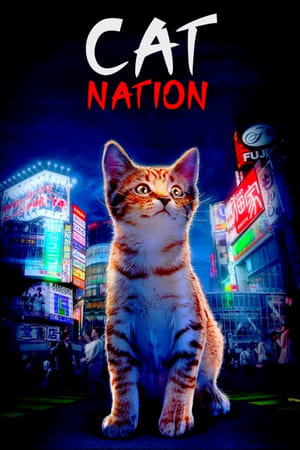
A journey into the unique, often bizarre, world of Japanese cat culture. Cat themed cafes, bars, temples, cat islands, cats with human jobs, cat friendly businesses, and the origins of the iconic beckoning cat statue.