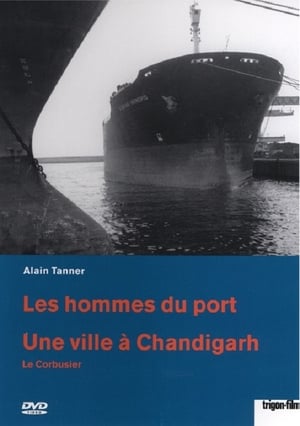
Documentary on the construction of Chandigarh, the new capital of the Indian Punjab region, planned by Albert Mayer and Swiss architect Le Corbusier.
The Isle of Mull is one of the UK's largest islands, located in the Inner Hebrides, and is home to one of the largest Eurasian otter populations in Europe. This documentary delves into the intricate relationship shared between this fascinating species and humans - through several sequences, each offering a different perspective.
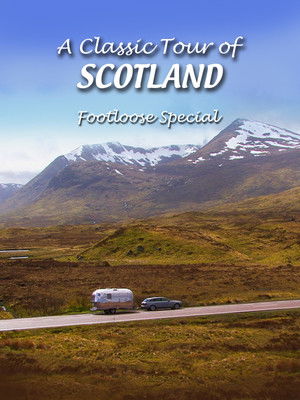
A spectacular feature-length travelogue of many of the best parts of Scotland. Hosted by UK filmmakers Debra Rixon and cameraman husband David, touring with their vintage Airstream travel trailer: Glasgow, Stirling Castle, Loch Lomond, Glencoe, a motoring tour and hike on the Isle of Skye, Loch Ness, Urquhart Castle, Inverness. Ends with a visit to Edinburgh, Castle, and the Royal Yacht Britannia.
Looks at the baobab trees that grow in the dry bush country of Africa and shows the ecosystem created by them.
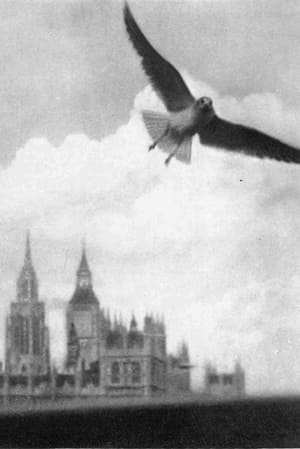
The film takes us to the North of England to follow the migration of the black-headed gull down to London. There, the narrator asks viewers to "listen to their gossip", before demonstrating the bird’s flight in slow motion. We see a polecat feasting on gull eggs, and then a man collecting the eggs for human consumption, with the film telling us that they are considered a “delicacy” in London. Indeed, according to the British Trust for Ornithology, around 300,000 gull’s eggs were sold every year in Leadenhall Market in London during the 1930s, when London Visitors was made.
A film about memory, identity and the overwhelming power of love. One-year-old Devi was found starving at a railway station in Delhi. The police took her to Palna, an orphanage, where she lived for a year. When Devi learned to talk she often wanted to talk about Amma, her first mother. In the film, the 6-year-old Devi journeys to her own past, as her family adopts another daughter from Palna, a baby sister for Devi.
After a life spent travelling the globe, the world’s most famous naturalist turns his attention closer to home to explore the wildlife of England’s iconic capital. Having lived in London for 75 years, Sir David has an intimate knowledge of the city’s natural history, and there's no better guide to introduce us to its most spectacular wildlife secrets. Captured over his centennial year, this personal and poignant film is a timely insight into how cities can become homes for wildlife as well as ourselves.
Traveling the length and breadth of the country, S. Sukhdev constructs, a panoramic, non-narrated study of Indian life in the late 1960s. Shot across villages, deserts, countryside, and cities, the film observes daily labor, leisure, and movement without commentary, allowing humor, contradiction, and social texture to emerge organically. The result is a sensory encounter with India poised between inherited tradition and accelerating modernity.
Vaastu Marabu documents the theory and practice of the Vaastu tradition of Indian art, architecture, craft and design. One of the foremost shilpis (designer-builder-sculpter) of India, Shri. V. Ganapati Sthapati of Mammallapuram, meditates on his art and his occupation. The film shows the process of making stone idols at Mammallapuram, near Madras, of casting bronzes in Kumbakonam, and of building stone temples at Kamudhi, near Madurai and at Ratnagiri, near Vellore. It illustrates the continuity of the tradition and reveals a technology that is ancient, yet still relevant today. The film explores the process of translating inner experience into art, and invites us to experience the naked beauty of the form while understanding the metaphysical message. The art of the Vishwakarma has given form and expression to all denominations of metaphysical thought in India. The film also probes the underlying scientific and mathematical principles.
During four years of shooting in the icy waters that surround the volcanic archipelago of the Crozet Islands, we have followed the trial and tribulations of Delphine, a young female adolescent killer whale. Living and growing within her family group she gradually learns how to find her bearings, how to hunt king penguins or Minke rorquals and how to get stranded in order to catch sea elephants. Directed by Bertrand Loyer.
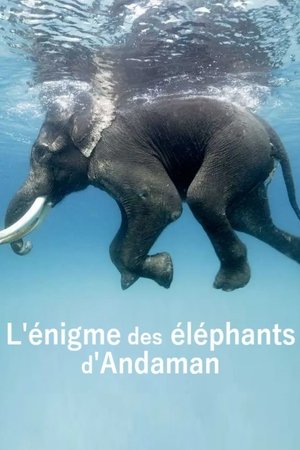
L'énigme des éléphants d'Andaman
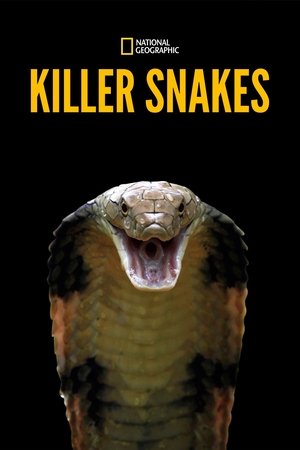
Packed with a potent neurotoxic venom, one family of snakes kill more people than any other on earth. Scientists around the world race to uncover how.
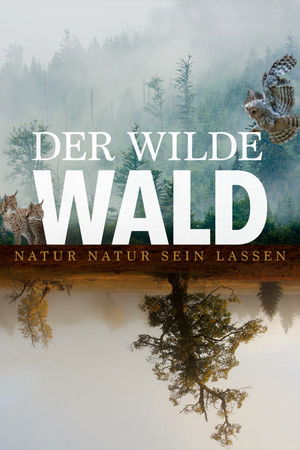
“Let nature be nature” is the philosophy of the Bavarian Forest National Park. Despite massive resistance, this vision has become a groundbreaking showcase project. Because humans do not interfere with nature, the former commercial forests grow into a primeval forest, a unique ecosystem and a refuge for biodiversity. People from all over the world come here. They are looking for answers to the question of why we need more wild nature and what we can learn from it to preserve forests for future generations in times of climate change.
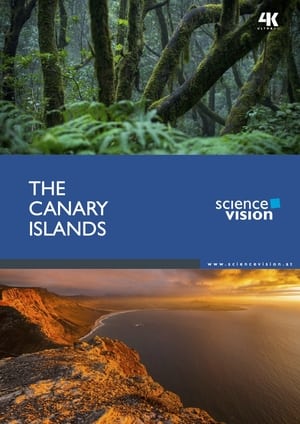
There are few places on earth that have such a diverse variety of terrain and range of climates concentrated in a relatively small area - temperate coastline, scorching arid deserts and tundra, tropical rainforests and frozen snowcapped mountains. And there are few places that are as heavily exploited by humans, yet remain a wilderness.
David Attenborough and scientist Johan Rockström examine Earth's biodiversity collapse and how this crisis can still be averted.
Rwanda was once a country of peace, beauty and fabulous wildlife. Romain Baertsoen arrived there in 1966 and started to film two of Rwanda's secrets, the Bahima tribe and rare mountain gorillas. The Rwandan Civil War shattered the peace in 1994, as warring factions pillaged towns and plundered the forests. Remarkably, the gorillas survived, but the world around them is increasingly uncertain.
Through Inuit voices, HERD: Inuit Voices on Caribou tells the story of the social, emotional, and cultural disruptions from ecological change by putting an essential human face to the caribou declines - including a 99% decline of the once-massive George River Caribou Herd. The film was developed over four years of collaboration between filmmakers and 11 Inuit communities across Labrador. It cinematically explores an array of lived experiences, from youth to Elders and hunters to cooks, to ensure that the stories of those living on the frontlines of this ecological crisis are HERD. It is a portrait of the deep connections that exist between humans and non-humans, a glimpse of heartbreaking loss felt by entire communities, and a lasting testament of cultural resilience in the context of ecological uncertainty.
Emerald Islands Of Malaysia
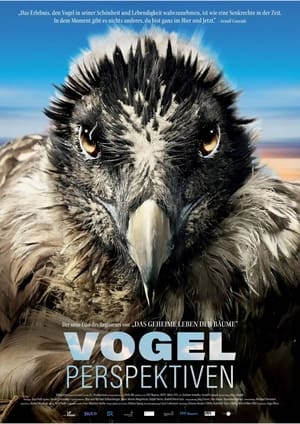
Director Jörg Adolph accompanies ornithologist Dr. Norbert Schäffer, chairman of the Bavarian Society for the Protection of Birds (LBV), on his mission to save bird life. We embark on an emotional and diverse journey of discovery into the fascinating world of birds and experience species and nature conservation in action.
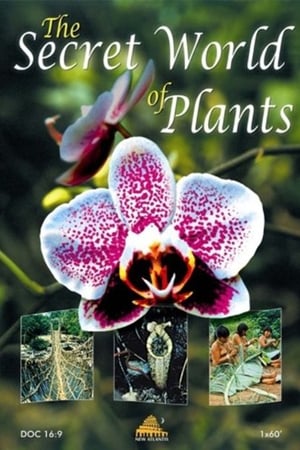
The secret world of plants gets us closer to these motionless and quiet creatures, so attractive and surprising as the rest of the living creatures. The documentary reveals the most unknown aspects of the vegetable kingdom. We learn about the secret of the eternal youth of a 3500 years old sequoia and be charmed by the 'rafflesia arnoldi' flowers, able to reach up to one meter of diameter.