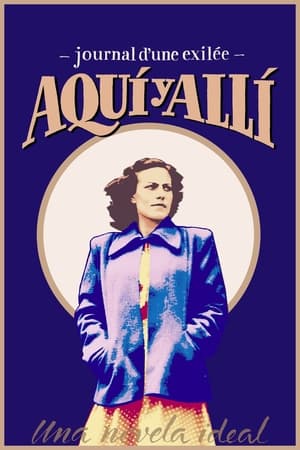
A portal, a sorceress, a fictional device to portray existence as a moment encapsulated inside an instantaneous photograph to present fragmented biographical elements —family disintegration, rootlessness, scars, two loyal companions, the promises of a new land—subverting the notion of a home-movie and transform it into a pilgrimage tool of self-discovery, mirroring the fragile nature of memories.
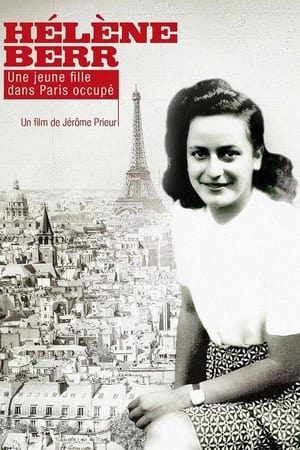
Vivre dans l'Allemagne en guerre
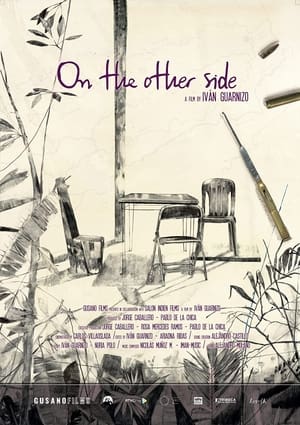
When director Iván Guarnizo's mother passes during the first days of peace talks with FARC-EP in Colombia, a door opens to explore a dark and painful past and, perhaps, find forgiveness. Iván's mother had been kidnapped by FARC-EP forces and held in captivity for 603 days. As they marched her through the jungles and mountains of the Colombian countryside, she was able to keep a diary that in great detail documented the places she was taken, her experiences and the names and descriptions of her captors.
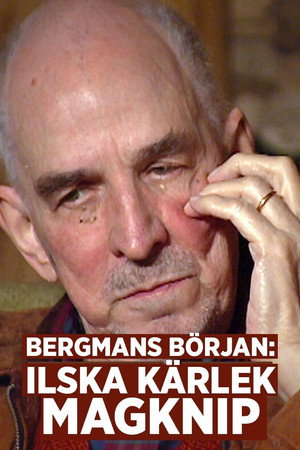
A collection of memories from a tumultuous time at University.
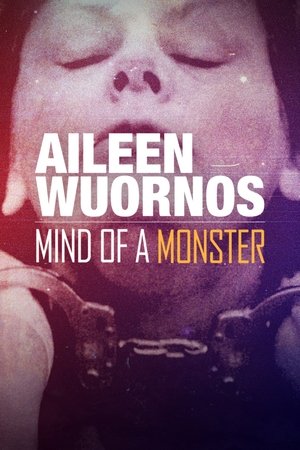
Serial killer Aileen Wuornos writes down her darkest secrets for her best friend while on Florida's death row; now, for the first time, those secrets are revealed in detail.
It was one of the great crimes of the Second World War: from 1941 to 1944, a total of 872 days, the siege and starvation of Leningrad by the German Wehrmacht on Hitler's orders lasted. Over a million people fell victim to the blockade, most of them dying of hunger. Countless of these starving people wrote diaries with the last of their strength, and cameramen filmed in the paralyzed city. Evidence from the hell of the siege, many of the film recordings, but above all the written memories on which this documentary on the occasion of the 80th anniversary of the liberation is based, remained under lock and key after the war. The voices of those who had suffered through this terrible time should not be heard by anyone, because they did not fit the pathos of the Leningrad heroic song that was officially sung. Most of the recordings come from women. The writers feared neither the enemy nor the Communist Party or Stalin, who often proved incompetent in providing for the population.
In an intimate and provocative journey, Vibrations is a documentary-essay that explores the filmmaker’s complex relationship with explicit imagery and his own sexuality. Born into a Catholic family and struggling to put his homosexuality into words, the director finds in pornography a space for self-exploration and acceptance. The film dives into the nuances of alternative pornography, challenging stigmas and revealing how desire, identity, and the politics of the body intertwine both on screen and in life. A work that pulses between the personal and the universal, Vibrations challenges perceptions and invites a rediscovery of pleasure and freedom through the image.
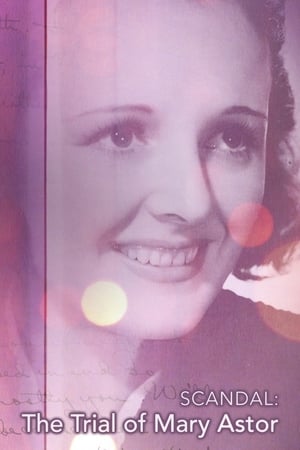
This documentary recounts the difficult choice actress Mary Astor had to make after learning her personal, very intimate, diaries had been stolen. The film tells the story of Astor's 1936 child custody case.
While cleaning the apartment of Lucía, her deceased grandmother, Anna finds a notebook where she discovers the story of a secretly kept love, lived during the turbulent years of the Second Republic and the Spanish Civil War.
Writing late becomes usual, we are always too late. Boris was my alter ego and I was his alter ego. Now that he is no longer here, I can be honest.
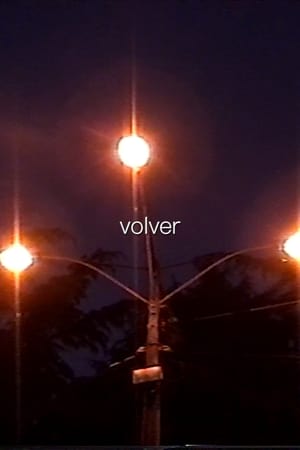
A somber journey on the road. A post with three lights. A crowded street. Stashed cables. The city. A grey square. The sun's reflection. The sun. Going back home.
Forty years after the death of Pierre Mendès France, Yves Jeuland and Alix Maurin reveal another side to this figure: the story of his life, told through the pages of his private notebooks. PMF led a romantic and extraordinary life as a French politician and Jew, both loved and hated.
A Turkish woman in Brighton shares her visual diary. Witness her ups and downs, her intimacy and vulnerability. After revealing hers, the film invites you to confront your ‘tiny little things’. It presents a slice-of-life experience with an abstract flow and deals with one’s existence in this world. There is no escape from family and the things in your mind, even if you are thousands of miles away. The meaning changes constantly, and the camera becomes the extension of her mind. And somebody put that voice in her brain.
Every morning, Marcel confides in his tape recorder. It is from his reflections on life that this film takes us into the wake of his story.
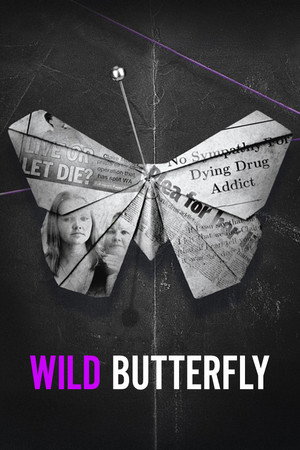
Wild Butterfly is true crime documentary that follows the tragic story of 24 year-old Claire Murray and her desperate search for a life- saving liver transplant that became a trial by national media. Depicted as an ungrateful junkie who recklessly destroyed her first transplant, Wild Butterfly investigates the true story behind the events that lead to Claire's death in 2010 including new criminal evidence. Catholic institutional cover-up, medical negligence, missing police records, and trial by mainstream and social media, are all at play in this heartbreaking and gripping documentary. This is not just the tragic story of one young woman and her family - this story opens our eyes to the impacts of universal social injustices and prejudices, that could befall any family and anybody's daughter.
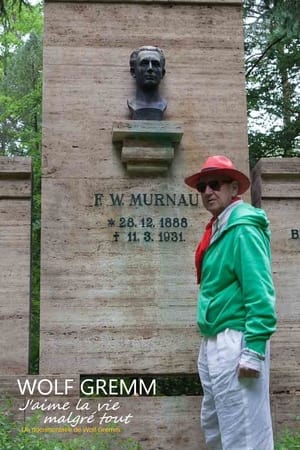
In 2011, the director and screenwriter Wolf Gremm receives the diagnosis - prostate cancer. According to the doctors, he has not much longer to live, maybe eight months. Wolf Gremm is torn by these devastating news in the midst of an active, fulfilling life, but he decides to deal with the disease offensively and to fight. From now on smartphone and mini camera are his constant companions.
This short, started early on into sobriety, finished about nine months in, is a collage of diaries and notes, collected from within addiction and into recovery.
Thoughts, sometimes just numbers, reach us from offscreen almost like music, like a mantra or a prayer. What we see are circular fragments from familiar spaces: a mirror, a magnifying glass. A day like any other day: without medication, or perhaps better with? A film like the investigation of an uncertainty principle: do we really see better with a magnifying glass? A face scratched out of the family album: the gap is draped with flowers and cut-out pictures of clothes and finally filled again by a drawing.
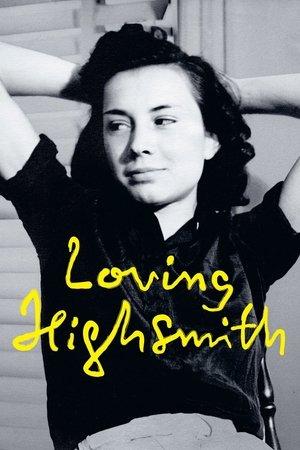
The story of the life, loves and work of US writer Patricia Highsmith (1921-95), told through her unpublished diaries, her own voice and that of those who knew her, both family and close friends.
How is secularism depicted in films? The term "Aa'La'Ma'Ni" means worldly in Arabic. It's significant in the Middle East, where secularism is controversial since the majority often link secularism with atheism and anti-religious sentiment. SECULAR | Aa'La'Ma'Ni, a documentary based on academic research, explores the depiction of secularism in Middle Eastern cinema and TV channels. Filmmakers and regional producers openly discuss religion, sectarianism, authorities, minorities, and industry challenges.