In the heart of Sicily, where the Mafia still rules, one man and his family-run TV station, has become the lone voice against corruption and organized crime.
Feeling unfair about the power's portrayal of all its opponents, at the dawn of the '68 protests a young man decided to become a photographer to set things right. "Taking a good picture is a great act of faith". Tano D'Amico thus began a journey that would lead him to be at the forefront of the social battles of the 1970s: the birth of new movements, "the appearance on the threshold of history of a people who had never entered history", the hopes, illusions and betrayals. Tano still continues to photograph workers, the homeless, migrants, the last people and all those who take protest to the streets.
Voyages au centre de la Terre : Dans les pas de Jules Verne
Ogni volta che il lupo
David Griecos documentary showcases the underappreciated photography of Domenico Notarangelo, and through it, tells the story of Matera, it's people and it's history.
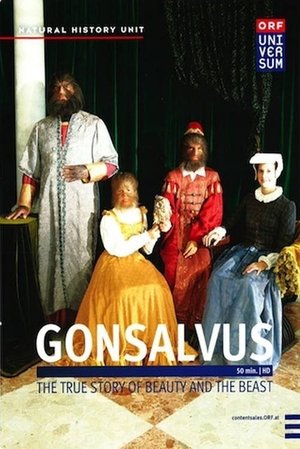
It's a condition known as "hypertrichosis" or "Ambras Syndrome," but in the 1500s it would transform one man into a national sensation and iconic fairy-tale character. His name: Petrus Gonsalvus, more commonly known today as the hairy hero of Beauty and the Beast.
Libere
Presenter and former England football captain Gary Lineker follows in the footsteps of his grandfather, Stanley Abbs, to explore a brutal but often overlooked chapter of World War Two.
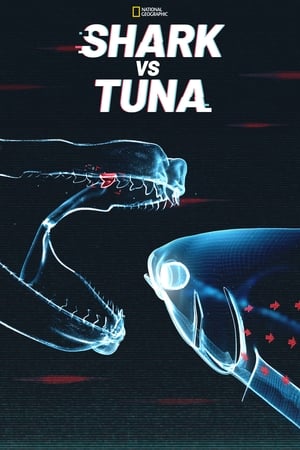
The director explains his love for tuna meat which was in his family for generations.
Forza Jannik pulls the curtains back on the tennis renaissance taking place in Italy. This isn't just a story about tennis; it's a tale of national pride, of young athletes against the odds, and of a country's relentless quest to dominate the sport.
The Work completes the "quadrilogy" of South Seas seen over a twenty-year period. This film, tells the choral story of an island that in the short time of a generation loses its identity.
Vicky is fisherman by day and bar owner at night. When she was a little boy her dream was to be a radio soap opera star, nowadays she dreams of falling in love again. How is it possible that a small, barren place in the third world has managed to achieve this special form of freedom and tolerance?
"...a charming depiction of life as I knew it with my grandparents in my own village..." Clara Caleo Green, Cinema Italia UK "The sum of the individual fates and life choices paints a picture, the validity of which extends far beyond this village." Joachim Manzin, Black Box This documentary records the thoughtful and emotional confrontation with time, change, loss and hope related by the members of a small community in the idyllic Ligurian countryside who are dealing with a rapidly changing agricultural industry, transformed by globalisation and technological advances and an increasing number of foreigners buying the empty houses in their village. Forgoing the use of music and voice over, the film lets Aracà's inhabitants tell their own stories and allows the audience to dive into the rich soundscape of the ligurian alpine countryside.
Amanda Knox served four years in an Italian prison for the murder of her British flatmate Meredith Kercher in Perugia in 2007, always insisting on her innocence. In 2011, she was acquitted on the basis of DNA evidence but prosecutors successfully appealed and her acquittal was struck down. In 2014 she was again found guilty in absentia after a retrial and sentenced to 28 years and six months in jail. The saga came to and end when Italy's highest court overturned the convictions of Ms Knox and her former boyfriend, Italian student Raffaele Sollecito in March 2015. Known burglar Rudy Guede was arrested a short time later following the discovery of his bloodstained fingerprints on Kercher's possessions. He was later found guilty of murder in a fast-track trial and is currently (as of 2019) serving a 16-year prison sentence.
La notte dei Cucibocca
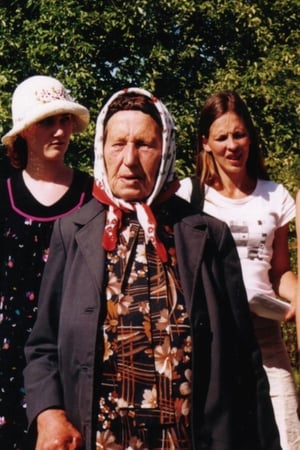
Anna "Buksa" Scemelinska (1925 - 2011) was a Latvian folksinger. She learned her song repertoire and singing style from her parents and villagers. She sang in the Rekova Church Choir in 1956, and has also been a member of the Rekava Ethnographic Ensemble from 1980. Her mother sang religious hymns ,"godzinkas", while Anna sang traditional dainas. The singing was like the rest of her life: in harmony with nature. Marked by hard work and deep religiosity, her songs are a kind of Eastern European blues or gospel. Singers like Anna Scemelinska are storytellers. Their folk songs comprise legends, history and experience from life.
Taneční zeměpis I. – Z Moskvy do Prahy
Taneční zeměpis II. – Z Balkánu do Prahy
Taneční zeměpis III. – Mládež pěti kontinentů
Every year in June, the small Bulgarian village of Balgari celebrates St Constantine with a special ritual. Initiated ‘nestinari’ go into a music-induced trance and dance on bonfires in a display of religious passion.