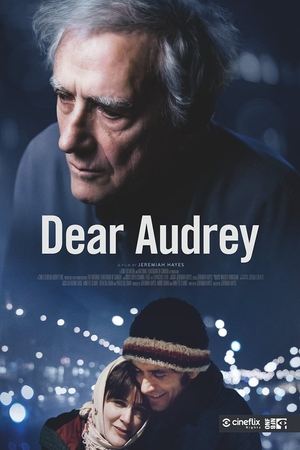
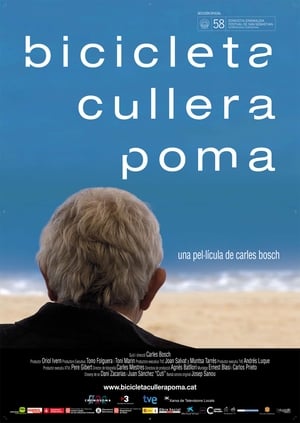
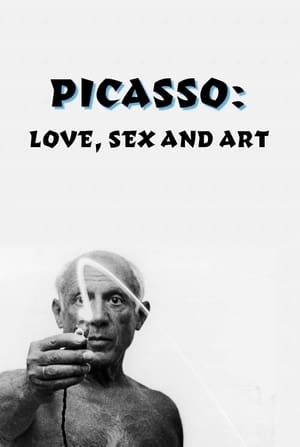
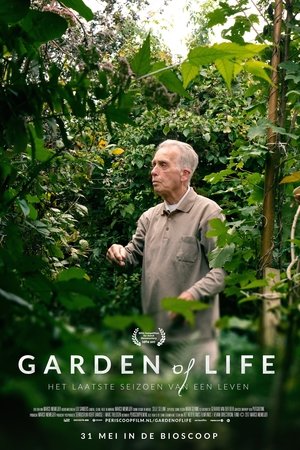
A documentary based on Daniel Gibbs' book A Tattoo on My Brain: A Neurologist's Personal Battle against Alzheimer's Disease.
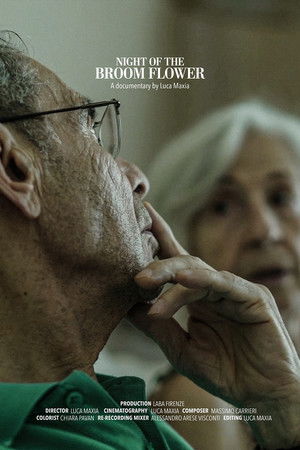
An immersive documentary about four nurses working in retirement houses in Alzheimer units. Near to Claire, Luca, Antoinette and Lika, we discover how the nurses work, how the care is possible, with patience, ability, intelligence, tenderness and love.
This Christmas, step into the magical world of The Nutcracker. For the first time in many years, the Royal Ballet has given full access behind the scenes for a landmark 90-minute documentary as they prepare for this season's yuletide production.
Ticketyboo: a Secret in Plain Sight is an artistic feature documentary exploring the deeply personal struggle of staying connected to a loved one with dementia.
Lilia, a Colombian citizen, has lived in eight countries around the world. Now, at the age of 67, she grows old alone in Portugal, caring for an Alzheimer's patient. The filmmaker asks her mother Lilia if she has found home and if she will ever return to Colombia, her native country she hasn't visited for the past 40 years. HOME is a personal-approach documentary about loneliness and the sense of belonging.
The humorous portrait of a female artist. The film follows the career of 24-year-old Janine F. who in 2002 caused a commotion from the rooftop of a Berlin building.
Kind van Dementie
In 1983, Franz Paludetto acquired Rivara Castle at the foot of the Italian Alps. A century earlier, artists from all over Europe had gathered here to establish the Rivara School of Painting. We witness the story of Italy during the latter half of the 20th century.
In operation to this day, the mansion known as Madame Satan began its activities in 1983, and in the 1980s was the main hub of avant-garde artists of the city, from which came out disparate and essential names for music, performing arts, visual arts, journalism, photo and video of Sao Paulo, as well as mythical characters of the night of São Paulo who made history with their absurd and impactful performances.
William Hart McNichols is a world renowned artist, heralded by Time magazine as "among the most famous creators of Christian iconic images in the world". As a young Catholic priest from 1983-1990 he was immersed in a life-altering journey working as a chaplain at St. Vincent's AIDS hospice in New York city. It was during this time that he became an early pioneer for LGBT rights within the Catholic church. "The Boy Who Found Gold" is a cinematic journey into the art and spirit of William Hart McNichols. The film follows his colorful life as he crosses paths with presidents, popes, martyrs, and parishioners, finding an insightful lesson with each encounter. McNichols' message as a priest, artist and man speaks to the most powerful element of the human spirit: Mercy.
In his most personal documentary yet, Chris Hemsworth turns the camera on his own family after his dad’s recent Alzheimer’s diagnosis. They embark on a road trip into their past, exploring the science of social connection and how it can support memory function. They revisit meaningful places and faces, capturing it all as a home movie, and reviving treasured recollections.
A meeting between the daughter and the grandmother of the director, Iván Mora Manzano, at a time when the memories of one, the girl’s, were taking shape, and the other’s the grandmother’s, were vanishing. This starting point is used as a pretext to talk about other topics such as the importance of family memories and the search for memory.
At Dagmarsminde, nurse May Bjerre Eiby refuses to conform to conventional nursing home practices that tranquilize and disregard dementia patients. For 11 residents, their healthcare regimen includes hugs, laughter, animal visits, eye contact, and lots of champagne and cake. It Is Not Over Yet looks at a radically different way to treat dementia patients, shifting from medicine to care.
Grandma has become a little doddery. And since the death of her husband, called E.O., ever bigger gaps have opened in her memory, and her disorientation has increased. Director Astrid Menzel makes a decision: to take a ten-day canoe trip on northern German waters with her brother and the 86-year-old lady. An adventure whose outcome is uncertain and which the three travellers have to face anew at every stage.
Aus dem Takt
"Whenever You Eat" (1949) is an educational film produced by the National Dairy Council and Atlas Film Corp, emphasizing the importance of physical well-being and its connection to good living habits and a proper diet. Through a 12-minute narrative, the film likely promotes balanced nutrition, healthy eating routines, and the role of dairy in maintaining overall health. Targeting families, students, and general audiences, it serves as a mid-century public health message encouraging better dietary choices for improved daily life and long-term wellness.
A portrait of the Director’s maternal grandmother, Eliane, a French woman who lived her entire life in Tunisia. The film shows her last moments at home with her family before her passing due to Alzheimer's disease.
Follows Peter Sellars around the globe to reveal his inner life as an artistic visionary. Filming over two years, Mark Kidel travels a rocky artistic road with one of the world's most controversial theatre directors, Peter Sellars. Focusing on his curatorial duties for the New Crowned Hope Festival in 2006, Kidel reveals the method behind Sellars's 'madness' through in-depth interviews and glimpses into the rehearsal room.
In a quiet village in southern China, Fang Xiuying is sixty-seven years old. Having suffered from Alzheimer's for several years, with advanced symptoms and ineffective treatment, she was sent back home. Now, bedridden, she is surrounded by her relatives and neighbors, as they witness and accompany her through her last days.
An animation about the uncertainties in human connections over time, portrayed in an affectionate relationship between a granddaughter and her grandfather with dementia as they grow old together.