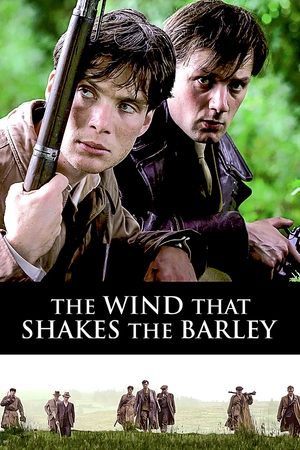
In 1920s Ireland young doctor Damien O'Donovan prepares to depart for a new job in a London hospital. As he says his goodbyes at a friend's farm, British Black and Tans arrive, and a young man is killed. Damien joins his brother Teddy in the Irish Republican Army, but political events are soon set in motion that tear the brothers apart.
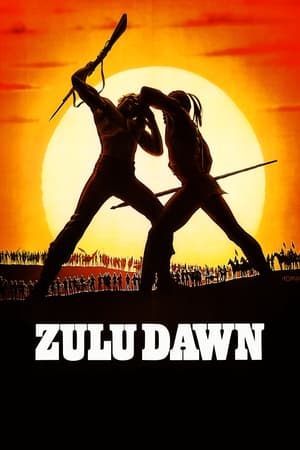
In 1896, Ethiopia, an African nation, largely armed with spears and knives, defeats a well-equipped and organized Italian military bent on colonization.
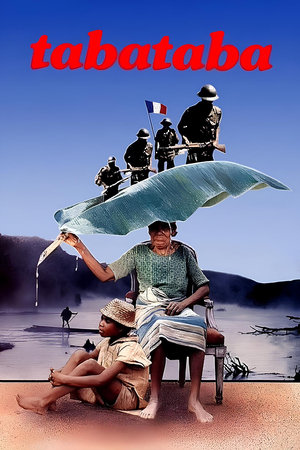
Rui was raised in Mozambique in a small village at the frontier of a mysterious river. Son of Portuguese colonists, his best friend is Ana, a black girl godchild of his mother. At fourteen he is confronted with the tragic destruction of his childhood and has to learn to recognize two distinct realities - the European and the African.
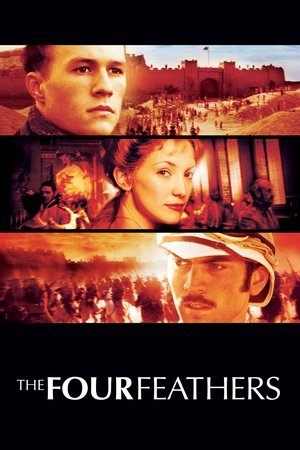
A young British officer resigns his post when he learns of his regiment's plan to ship out to the Sudan for the conflict with the Mahdi. His friends and fiancée send him four white feathers as symbols of what they view as his cowardice. To redeem his honor, he disguises himself as an Arab and secretly saves their lives.
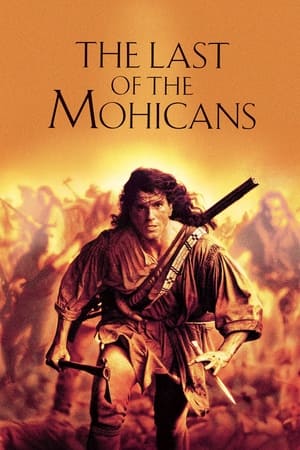
In war-torn colonial America, in the midst of a bloody battle between British, the French and Native American allies, the aristocratic daughter of a British Colonel and her party are captured by a group of Huron warriors. Fortunately, a group of three Mohican trappers comes to their rescue.
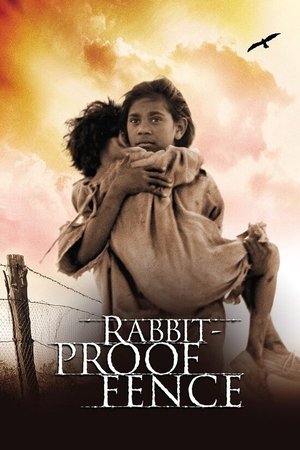
In 1931, three Aboriginal girls escape after being plucked from their homes to be trained as domestic staff, and set off on a trek across the Outback.
In New France before the British Conquest, Marie, an indigenous slave, serves the local surgeon. Her daily life of household chores is bleak and alienating. The encounter with a young girl she presumes to be her child will give her motivation to undertake radical actions.
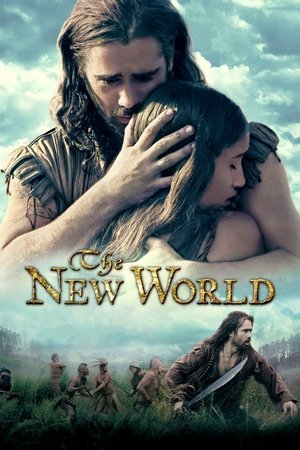
A drama about explorer John Smith and the clash between Native Americans and English settlers in the 17th century.
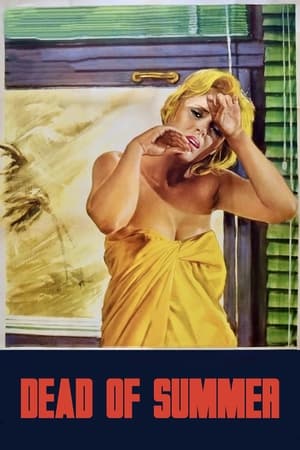
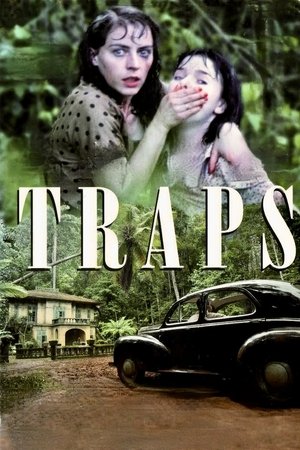
The year is 1950 and an English couple, Louise and Michael, have arrived in French-occupied Indochina to cover a story on a French-owned rubber plantation. They are to be the guests of the enigmatic plantation overseer, Daniel, and his beautiful yet difficult daughter Viola, at their elegant, decaying villa amid a tropical jungle. Michael and Louise hope that some time spent working in an exotic location will help reignite the passion in their floundering marriage. Instead they become unwittingly involved in the personal, sexual and political tensions of their hosts. Daniel is desperate to hold onto a way of life no longer possible in a country struggling for independence, bringing him into conflict with not only his daughter but also with his adopted country.
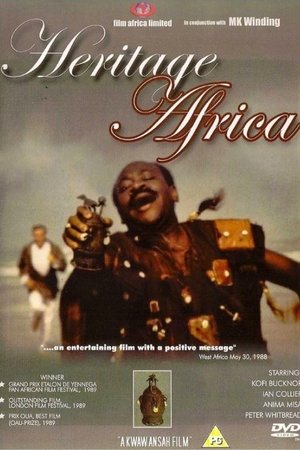
The story of Quincy Bosomfield who is the product of colonial education and has risen to become the district commissioner. In the process, he abandons his African heritage and all that has real meaning to him.
On her way to visit her childhood home in a colonial outpost in Northern Cameroon, a young French woman recalls her childhood, her memories concentrating on her family's houseboy.
The professional mercenary Sir William Walker instigates a slave revolt on the Caribbean island of Queimada in order to help improve the British sugar trade. Years later he is sent again to deal with the same rebels that he built up because they have seized too much power that now threatens British sugar interests.
This excellent feature-length documentary - the story of the imperialist colonization of Africa - is a film about death. Its most shocking sequences derive from the captured French film archives in Algeria containing - unbelievably - masses of French-shot documentary footage of their tortures, massacres and executions of Algerians. The real death of children, passers-by, resistance fighters, one after the other, becomes unbearable. Rather than be blatant propaganda, the film convinces entirely by its visual evidence, constituting an object lesson for revolutionary cinema.
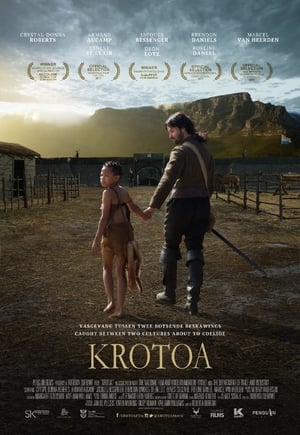
Krotoa, a feisty, bright, 11-year-old girl is removed from her close-knit Khoi tribe to serve Jan van Riebeeck, her uncle’s trading partner and the first Governor of the Cape Colony. She is brought into the first Fort established by the Dutch East India Company in 1652. There she grows into a visionary young woman who assimilates the Dutch language and culture so well that she rises to become an influential translator but ends up being rejected by her own people as she tries to bridge the gap between the two cultures about to collide.
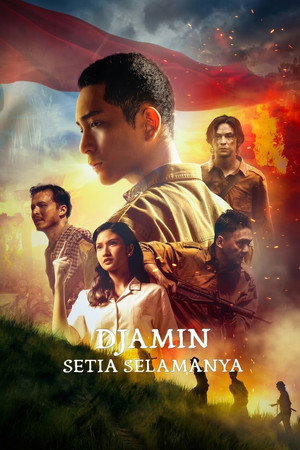
An idealistic Dutch colonial officer posted to Indonesia in the 19th century is cohvinced that he can make the kinds of changes that will actually help the local people he is in charge of, but circumstances soon make him realize just how out of touch he really is, and it doesn't take long for things to go from bad to worse.
Volunteering as a "comfort woman" on the Manchurian front, where she is expected to service hundreds of soldiers, Harumi is commandeered by the brutal Lieutenant Narita but falls for the sensitive Mikami, Narita's direct subordinate. Seijun Suzuki's Story of a Prostitute is a tragic love story as well as a rule-bending take on a popular Taijiro Tamura novel, challenging military and fraternal codes of honor, as seen through Harumi's eyes.
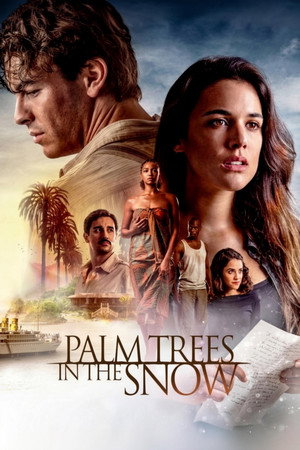
Spain, 2003. An accidental discovery leads Clarence to travel from the snowy mountains of Huesca to Equatorial Guinea, to visit the land where her father Jacobo and her uncle Kilian spent most of their youth, the island of Fernando Poo.
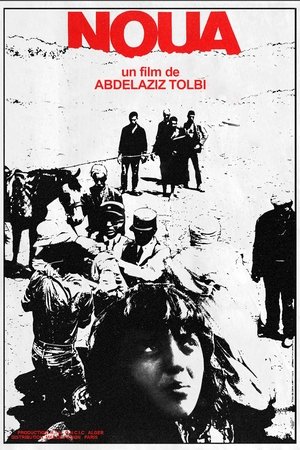
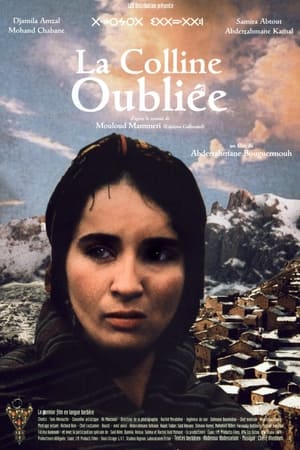
In Algeria in 1954, in a village in the Aurès region, poverty reigns over peasants enslaved by colonial administrators and Algerian landowners. Noua, in love with the son of a peasant dispossessed of his land, must be sold to a wealthy landowner.
A chronicle of the violence that occurred in much of the African continent throughout the 1960s. As many African countries were transitioning from colonial rule to other forms of government, violent political upheavals were frequent. Revolutions in Zanzibar and Kenya in which thousands were killed are shown, the violence not only political; there is also extensive footage of hunters and poachers slaughtering different types of wild animals.
Walter Burton's realistic photographs depicting poor treatment of Maori prisoners are rejected by late 19th century government officials. Walter is condemned to making a living from everyday studio work, the frustration of which is apparently quite sufficient to make him a drunk. His brother Alfred is happy to take the photos that the officials want and therefore gets the commissions. Alfred's photos are well received, but when Walter shows his own photos, toughs are sent around to smash up his plates.