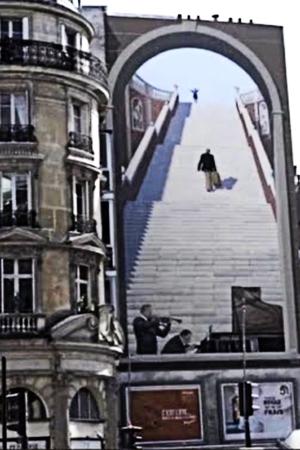
In the heart of Paris, Île de la Cité once featured one of the most majestic palaces of medieval times: The Palais des Rois. Built in the early Middle Ages, only two parts of this grandiose palace remain: The Sainte-Chapelle, the largest and most daring palatial chapel of the time; and the Conciergerie, a medieval room of impressive dimensions, known for having served as a prison and housing the jails of Marie-Antoinette.
A look at contemporary Paris through the lens of theories and ideologies of the past two centuries, with a particular focus on the utopian socialist ideas of Charles Fourier.
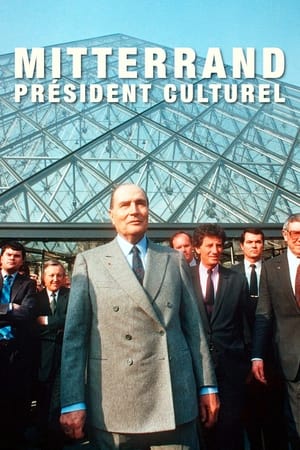
On the occasion of the fourty years anniversary of François Mitterand's election, a look back to the relationship between the President and artists, from admiration to manipulation.
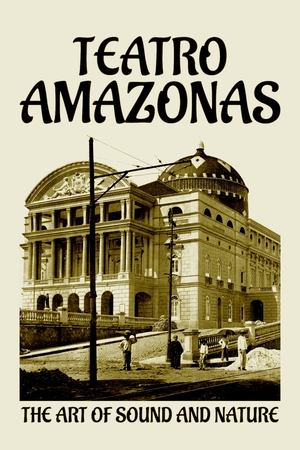
The history of the Teatro Amazonas in Manaus, an opera house located in the middle of the Amazon rainforest, whose construction, between 1884 and 1896, depended on the labor exploitation of the local indigenous populations, provides an insight into the cultural, social and political situation in Brazil.
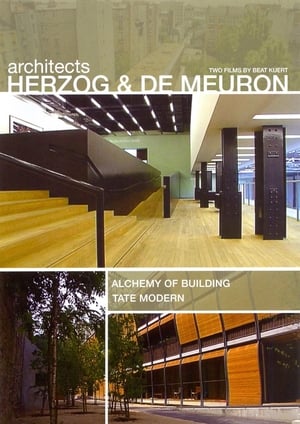
Visiting examples of Herzog and de Meurons ground-breaking style, this film reflects their capacity to astonish and explore the way in which they transform what might otherwise be ordinary through new treatments and techniques.
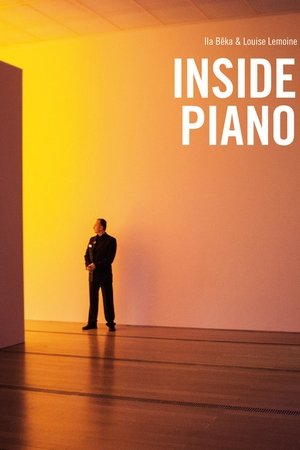
The fifth project of the Living Architectures series, Inside Piano is composed of three films on three symbolic buildings of Renzo Piano's career. A visit throughout the prototype-building of the Centre Pompidou. An immersion in the soundproof world of a submarine floating in the depths of the Parisian underground. A journey aboard a luminous magic carpet of a highly sophisticated architectural machine. A humorous, caustic and quirky point of view.
A documentary about the history and the urban development of the city of Erlangen in northern Bavaria, Germany.
A silent documentary film about the history and the architecture of the town of Erlangen in the Middle Franconia region in Bavaria, Germany.
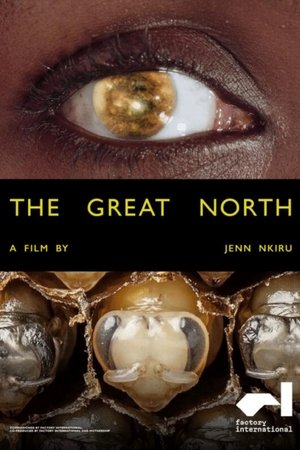
Beginning at the industrial revolution of the ‘great north’, Jenn Nkiru draws lines between peoples, cities, countries, buildings, movements, bodies and spaces(s) using a mixture of archive materials and new footage. There is little stillness as we are pushed and pulled through Black histories and communities across the city of Manchester and beyond. Nkiru has termed this filmmaking process “cosmic archeology”, and it is grounded in Afro-surrealism, experimental film and the Black arts movement.
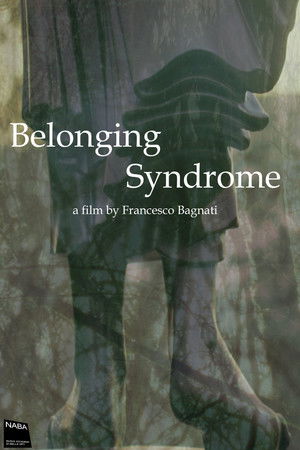
Belonging Syndrome is a short documentary that follows Duang, a second-generation Italian-Thai girl. Duang, during a period of stay in a monastery. Through her inner diary, the film explores a suspended phase of life: the one in which identity it is not yet defined and belonging becomes an open question. The monastery becomes the physical and symbolic place where Duang observes herself. Immersed in a daily life marked by rituals, silences and repeated gestures, the protagonist goes through an experience of deep listening, in which time slows down and perception is refined. Belonging Syndrome talks about hybrid identities, cultural legacies that coexist without completely merging, the difficulty and possibility of inhabiting multiple worlds without having to choose just one. It is an intimate and contemplative story about the search for balance in a fragile and open phase of existence.
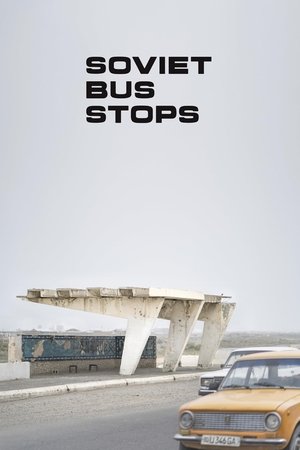
“There’s a bus stop I want to photograph.” This may sound like a parody of an esoteric festival film, but Canadian Christopher Herwig’s photography project is entirely in earnest, and likely you will be won over by his passion for this unusual subject within the first five minutes. Soviet architecture of the 1960s and 70s was by and large utilitarian, regimented, and mass-produced. Yet the bus stops Herwig discovers on his journeys criss-crossing the vast former Soviet Bloc are something else entirely: whimsical, eccentric, flamboyantly artistic, audacious, colourful. They speak of individualism and locality, concepts anathema to the Communist doctrine. Herwig wants to know how this came to pass and tracks down some of the original unsung designers, but above all he wants to capture these exceptional roadside way stations on film before they disappear.
Bílá Telč
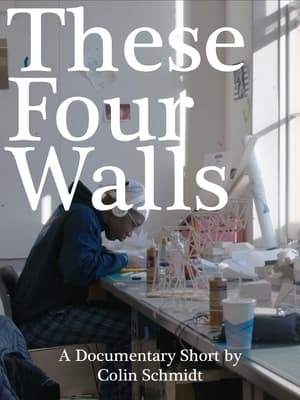
A short documentary that takes a look at Pratt Institute's Architecture program and how the first years handle the rigorous workload.
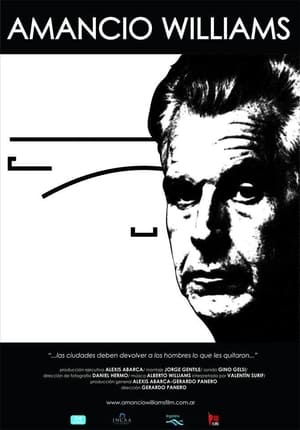
A biography documentary of the Argentine modernist architect Amancio Williams.
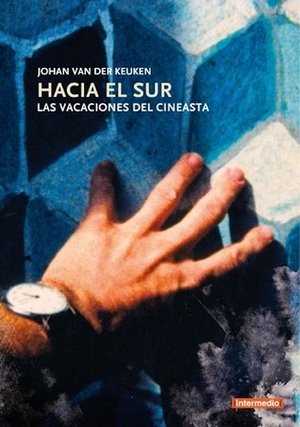
Johan van der Keuken went against the grain in 1980: from Amsterdam (on April 30 with the coronation riots and squatting actions) via Paris, southern France and Italy to Egypt. He made his personal travelogue in three parts for VPRO television. Later, he fused the three parts into one long movie.
Kaplnka svätej Barbory
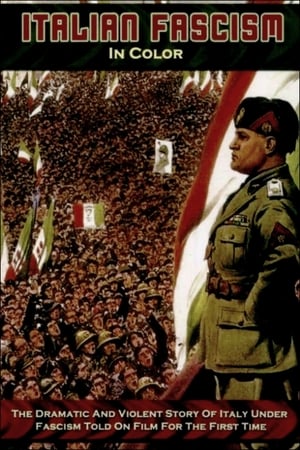
After the World War I, Mussolini's perspective on life is severely altered; once a willful socialist reformer, now obsessed with the idea of power, he founds the National Fascist Party in 1921 and assumes political power in 1922, becoming the Duce, dictator of Italy. His success encourages Hitler to take power in Germany in 1933, opening the dark road to World War II. (Originally released as a two-part miniseries. Includes colorized archival footage.)
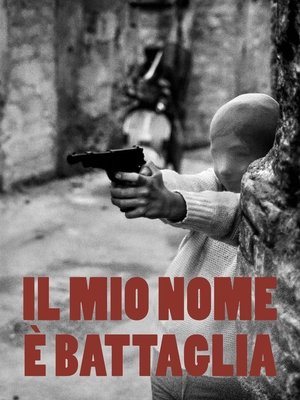
Il mio nome è Battaglia
Dresden is famous for its attempt to meticulously reconstruct its once bombed-out historical center and bring the colorful baroque settings of the 18th century back to life. It’s infamous for the right-wing-surge that has since 2015 swept the city and made it a center of far-right activity in Germany and Europe. This film is an exploration of where the two intersect.
Winy Maas, co-founder of MVRDV architects, always has 100 projects going at once. Documentary filmmaker Jan Louter followed him for two years to make "Under Tomorrow's Sky", a candid and open-hearted look at the highs and lows of the architecture profession.