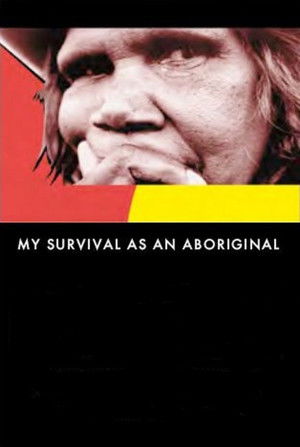
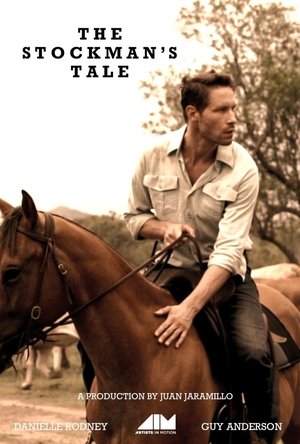
Gordon Smith, head of the Collum Collum Aboriginal Co-operative which operates a cattle station in northern New South Wales, and Sunny Bancroft, the station manager, are negotiating with the Aboriginal Development Corporation in Canberra for a loan. Finance is needed to stock the property with breeding cattle so that the station can become financially independent.
The story of a Warlpiri woman, Audrey, and her Sicilian partner Santo as they navigate through colonial systems to keep the children they care for together. Audrey Napanangka was born at a time when the world was changing for the people in the Central Australian Desert. Settler colonisation was permeating the desert and forced changes and the fusion of two worlds shifted Audrey’s life forever. Today, Audrey raises young people to walk in many worlds, by centering culture, language, and Law in their lives alongside mainstream education. The intimate footage filmed over 10 years in Mparntwe (Alice Springs), Yuendumu and Audrey’s Warlpiri country Mount Theo, showcases a heartwarming story about the power of kinship and family in what is known as Australia.
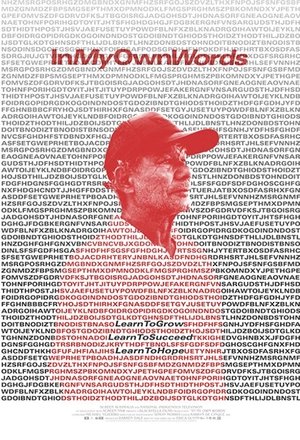
The raw, heartfelt and often funny journey of adult Aboriginal students and their teachers as they discover the transformative power of reading and writing for the first time.
Essie Coffey gives the children lessons on Aboriginal culture. She speaks of the importance of teaching these kids about their traditions. Aboriginal kids are forgetting about their Aboriginal heritage because they are being taught white culture instead.
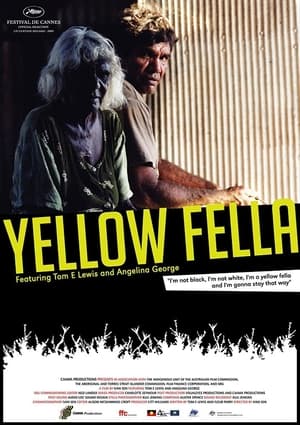
In 1978, Tom Lewis appeared in the Australian feature film, The Chant of Jimmie Blacksmith. The life of the character he played was hauntingly close to his own, a young, restless man of mixed heritage, struggling for a foothold on the edge of two cultures. Tom's mother is a traditional Indigenous woman of southern Arnhem Land, his father a Welsh stockman who he never really knew. Yellow Fella is a journey across the land and into Tom's past, as he attempts to find the resting place of his father and to finally confront the truth of his most inner feelings of love and identity.
For both Aboriginal and non-Aboriginal Australians, Captain James Cook is a figure of great historical significance.
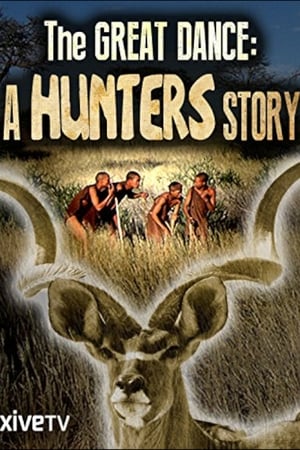
This documentary by Craig and Damon Foster focuses on the surviving San bushmen in the central Kalahari.
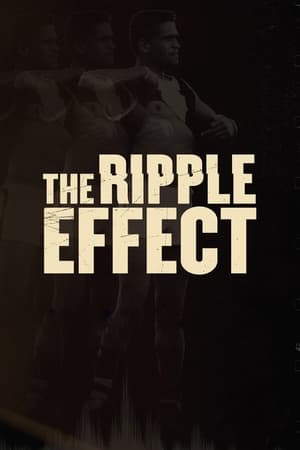
The Ripple Effect is a powerful documentary primarily centred around St Kilda legend and proud Noongar Nicky Winmar's generation-defining stand against racism at Victoria Park in 1993.
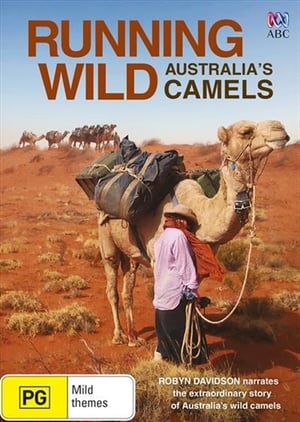
Robyn Davidson, famous for her solo expedition across the west Australian deserts by camel in the 1970s, presents this documentary telling the story of Australia's camels and the people who brought them here.
Narrated by Uncle Jack Charles and seen through the eyes of Indigenous prisoners at Victoria’s Fulham Correctional Centre, this documentary explores how art and culture can empower Australia's First Nations people to transcend their unjust cycles of imprisonment.
The story of 95-year-old Aboriginal elder Laurie Baymarrwangga and her work to maintain the language and cultural traditions of the Yan-nhangu people of Murrungga.
Young Aboriginal people who are traditional custodians in Victoria explore the Treaty process with questions, concerns and their opinions. Sharing their insights into what has been happening and what needs to happen.
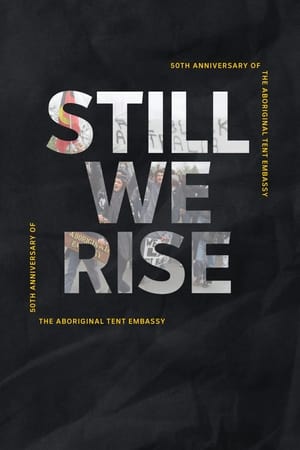
50 years on, the Aboriginal Tent Embassy is the oldest continuing protest occupation site in the world. Taking a fresh lens this is a bold dive into a year of protest and revolutionary change for First Nations people.
WINHANGANHA (Wiradjuri language: Remember, know, think) - is a lyrical journey of archival footage and sound, poetry and original composition. It is an examination of how archives and the legacies of collection affect First Nations people and wider Australia, told through the lens of acclaimed Wiradjuri artist, Jazz Money.
RODEO ROAD explores the unique cowboy culture of Australia's remote north west in the pursuit of the rodeo dream - eight seconds of bull riding glory. Each year cowboys from across the Kimberley load up their saddles, chaps and wranglers and go rough-riding. Some are born and bred in the saddle, while others are young ringers from over east who come to muster through the dry season. Come rodeo time they are chasing the dream, gripped by the rodeo fever of the wild north west.
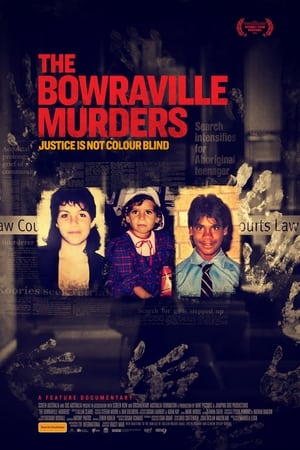
The epic David vs Goliath battle for justice waged by the families of three Aboriginal children murdered in a small rural town 30 years ago, the system that failed them, and what it reveals about racism in Australia today.
A story of resistance across generations, the power of family and the unrelenting struggle for justice in a country that remains in denial.
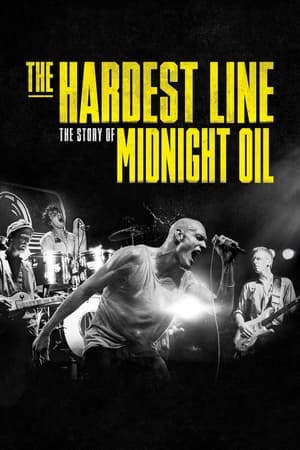
Across a 45-year career ‘The Oils’ helped shape modern Australia with anthems like “US Forces”, “Beds Are Burning” and “Redneck Wonderland”. Featuring unseen footage and interviews with every band member, alongside signature moments including the outback tour with Warumpi Band, their Exxon protest gig in New York and those famous “Sorry” suits at the Sydney Olympics, Midnight Oil: The Hardest Line traces the journey of Australia’s quintessential rock band.
The Australian pelican is built for long distance travel. One of the largest pelicans in the pelican family, with a light skeleton and a wingspan of over eight feet, it can be airborne all day and deep into the night, riding far and high on rising thermals. When rare weather systems bring heavy rains, huge numbers of Australian pelicans abandon the sea and coastal waters and embark on a mass pilgrimage to a place a thousand miles inland. It’s the last place you would look for one of their kind, the Australian Outback, one of the driest, hottest places on the planet.
The most isolated metal band in the world, Southeast Desert Metal, and their Aunty Kathleen, share ancient Arrernte culture with the world through song and painting.