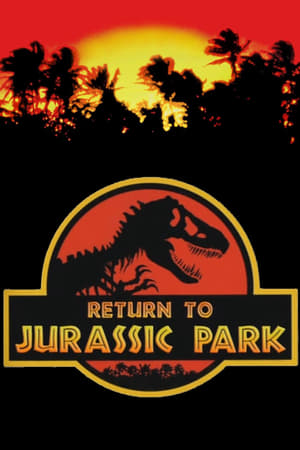
A multi-part documentary about the making of the Jurassic Park trilogy. Each part walks through the making of part of one of the films, including the hurricane during the shooting of the first film, and how advances in CGI for Jurassic Park helped change the world of special effects forever. All interviews for these retrospective documentaries come with comments from Spielberg, Johnston, Neill, Dern, Goldblum, the effects crews, the child actors, and Peter Stormare. This documentary is broken into six parts: Dawn of a New Era (25 min), Making Prehistory (20 min), The Next Step in Evolution (15 min), Finding the Lost World (28 min), Something Survived (16 min), and The Third Adventure (25 min).
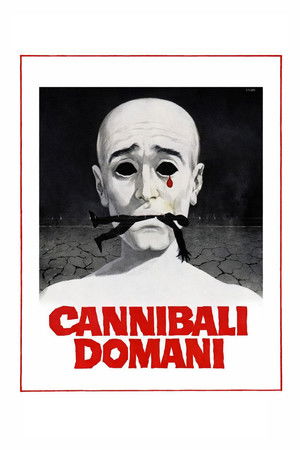
Though the release date says 1956, this film consists mostly of footage from a 1931 documentary called "Gow the Killer." It was the first sound film to deal with cannibalism, as it documented the social life and customs of primitive tribes that in fact did engage in cannibalism.
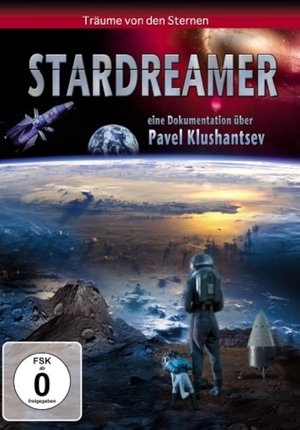
The Russian filmmaker, Pavel Klusjantsev, has had an extraordinary influence on an entire genre of films. Throughout his career at the film studio in St. Petersburg, Klushantsev pioneered and invented legendary techniques for filming the planets, stars and weightnessless - long before anyone else. He went on to redefine the science fiction genre and influence the way Hollywood made their science fiction films, including the Academy Award-winning Visual Effects Master, Robert Skotak, a man who spent years trying to track Klushantsev down
Issei Sagawa murdered an innocent woman and spent three days eating her flesh. Due to loopholes in the law, Issei is a free man to this day. Sagawa was declared insane and unfit for trial and was institutionalized in Paris. His incarceration was to be short, however, as the French public soon grew weary of their hard-earned francs going to support this evil woman-eater, and Issei was promptly deported. Herein followed a bizarre and seemingly too convenient set of legal loopholes and psychiatric reports that led doctors in Japan declaring him "sane, but evil." On August 12, 1986, Sagawa checked himself out of Tokyo's Matsuzawa Psychiatric hospital, and has been a free man ever since.
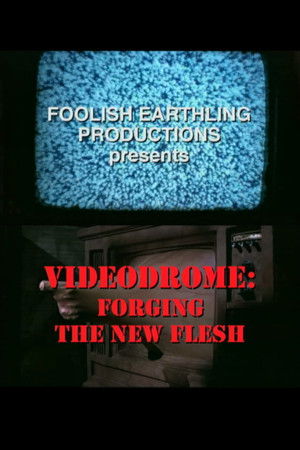
Through the use of interviews (both vintage and new) with various cast and crew members, including Rick Baker, Bill Sturgeon, David Cronenberg, James Woods among others, as well as behind-the-scenes footage, this tells the story of how the special effects in the film were created.
Documentary about the technical achievements of the 1940 film classic The Thief of Bagdad.
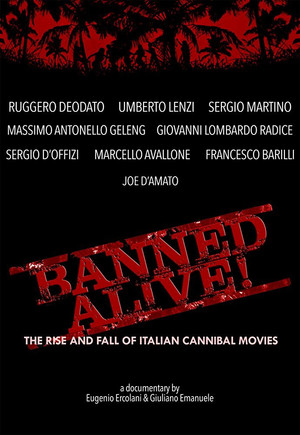
2 1/2 hour-documentary on the rise and fall of one of the most controversial Italian genres every created. Starting with Deep River Savages arriving to the infamous Cannibal Ferox.
This one proves that it's all a big fake, and the myth of the Guinea Pig movies being actual snuff is not true. The girl from "Devil's Experiment" laughs while her flesh gets twisted. The guy from "He Never Dies" longs to take the latex applications off.
This provocative and insightful film is the first in a series of documentaries that will reveal the secret knowledge embedded in the work of the greatest filmmaker of all time: Stanley Kubrick. This famed movie director who made films such as 2001: A Space Odyssey, A Clockwork Orange, The Shining and Eyes Wide Shut, placed symbols and hidden anecdotes into his films that tell a far different story than the films appeared to be saying. In Kubrick's Odyssey, Part I, Kubrick and Apollo, author and filmmaker, Jay Weidner presents compelling evidence of how Stanley Kubrick directed the Apollo moon landings.
Caniba is a fresco about flesh and desire. It reflects on the discomfiting significance of cannibalism in human existence through the prism of one Japanese man, Issei Sagawa, and his mysterious relationship with his brother, Jun Sagawa.
An interview with actress Me Me Lai on her work in the three Italian cannibal-themed movies "The Man from Deep River", "Last Cannibal World" and "Eaten Alive", as well as on her participation in Lars von Trier's "Element of Crime".
An interview with the Italian directors Ruggero Deodato and Umberto Lenzi at the the "Joe D'Amato Horrorfest" in Livorno, 2004.
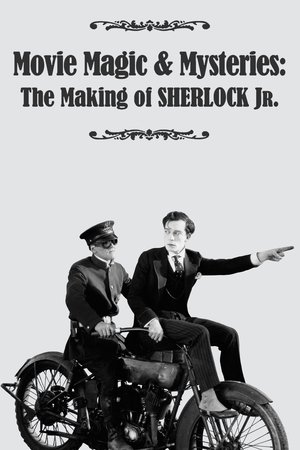
Documentary about the making of Buster Keaton's silent comedy classic, Sherlock Jr. (1924).
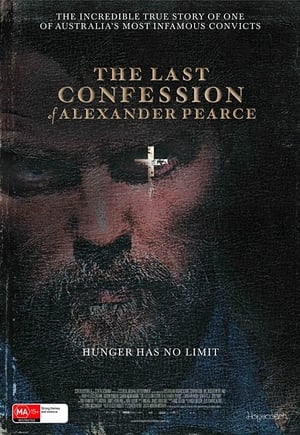
Eight men escape from the most isolated prison on earth. Only one man survives and the story he recounts shocks the British establishment to the core. This story is the last confession of Alexander Pearce.
It is a documentary, which submits to the public the most dramatic, subhuman situations in which men find themselves living in all corners of the world. From India to Brazil, from the African nations of the Sahel to Bolivia, the camera ruthlessly shows the images of a humanity marginalized in a thousand ways by the so-called"civil consortium".
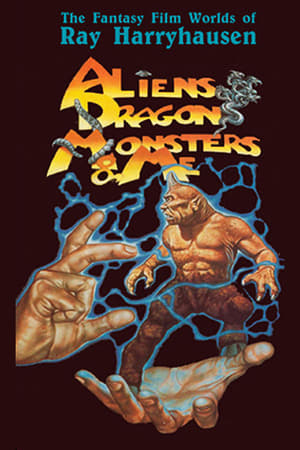
Documentary about the life and work of Ray Harryhausen.
Multipart Documentaries released with the BluRay of the movie, looking into the creation and production of Ad Astra, with interviews of Cast and Crew. Consists of : To The Stars, A Man Named Roy, The Crew Of The Cepheus, The Art Of 'Ad Astra', Reach For The Stars
Mr. Trumbull discusses his history and ideas of creating innovative technologies for the cinematic industry.
From Star Wars to Jedi: The Making of a Saga is a 1983 television documentary special that originally aired on PBS. It is a behind-the-scenes look at the making of the original Star Wars trilogy, with particular emphasis on the final film, Return of the Jedi. Narrated by actor Mark Hamill, the documentary was written by Richard Schickel who had written the previous television documentaries The Making of Star Wars (1977) and SP FX: The Empire Strikes Back (1980).
A documentary about the production of From Dusk Till Dawn (1996) and the people who made it.