By the time he was 30, Jesse Dufton's vision was reduced to just light perception with around 1 or 2% field of view. As a life long climber, Jesse flies in the face of adversity training for world cup events and leading traditional rock climbs with his sight guide and fiancee Molly Thompson. As his sight degenerates, his climbing continues to make remarkable progress. Despite his devastating condition, Jesse attempts to be the first blind person to make a ‘non-sight’ lead of the iconic Old Man of Hoy sea stack in Scotland.
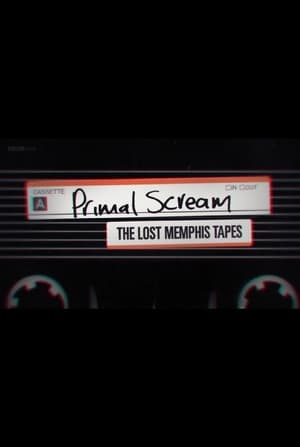
The programme shows Primal Scream's Bobby Gillespie's fascination with music from an early age, listening to the sounds of Elvis and Aretha Franklin before graduating to punk. He talks about his passion for music and how to keep creativity on the right track. In the early 90s the UK music scene was changing - with Oasis and Blur emerging, this alternative rock band was recording in Memphis but suddenly sounded out of step with the music scene.
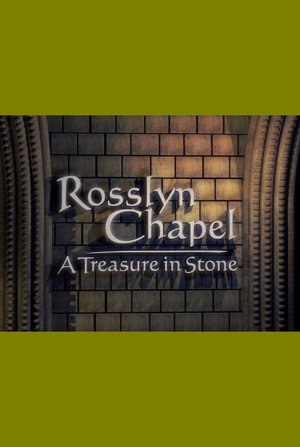
The exquisite Rosslyn Chapel is a masterpiece in stone. It used to be one of Scotland's best-kept secrets, but it became world-famous when it was featured in Dan Brown's the Da Vinci Code.
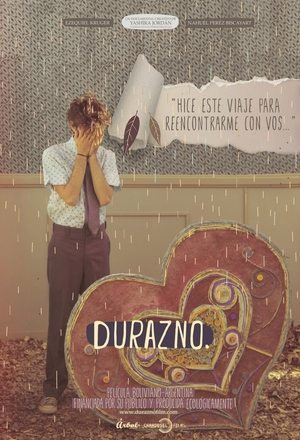
How are biographies charted? How is identity constructed? Can we relive our past, reinvent it, rearrange or recycle it? Can we really know who we are if we ignore where do we come from?
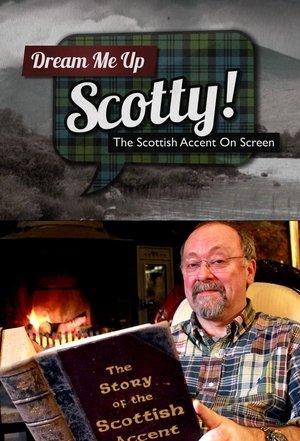
Alex Norton discovers how showbusiness has handled the portrayal of the Scottish accent. For over 100 years audiences have struggled to understand our braw brogue: silent Harry Lauder films attempted an accent in the captions, and in Hollywood's golden era , everyone wanted to paint their tonsils tartan- but as examples from Katharine Hepburn, Orson Welles and Richard Chamberlain show, they couldnae. Then Disney made Brave and proved that it disnae have to be all bad!
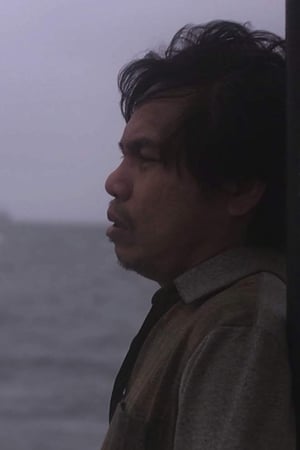
Work. Eat. Sleep. And back to work. For a long time skippers in the North East of Scotland could not find locals to work on their fishing vessels. That was until Filipino fishermen started coming to town for work. Both nationalities strive to shorten the distance between two very different worlds.
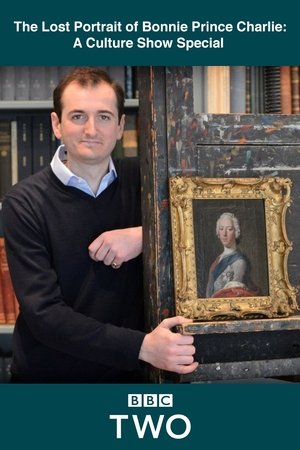
In 2009, art detective Dr Bendor Grosvenor caused a national scandal by proving that the Scottish National Portrait Gallery's iconic portrait of Bonnie Prince Charlie, the rebel Stuart who almost seized power in 1745, was not in fact him. Keen to make amends, and suspecting that a long-lost portrait of the prince by one of Scotland's greatest artists, Allan Ramsay, might still survive, Bendor decides to retrace Charles's journey in the hope of unravelling one of the greatest mysteries in British art.
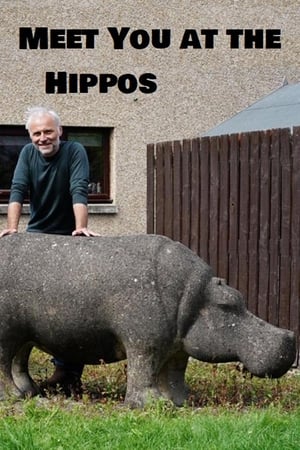
Actor Mark Bonnar is on a mission to understand more about the Scottish new towns in which he grew up, exploring the street sculpture made by artists such as his dad in the 60s, 70s and 80s. He discovers why the new towns are there and how they enticed people out of the bigger cities, and uncovers the surprising ways in which public art changed the new towns and the new towns changed public art. Mark's father, Stan, made sculptures that stand to this day on the streets of Glenrothes, East Kilbride and the Scottish new town that never was, Stonehouse. These new towns employed town artists to make artworks in the very housing precincts the new residents were moving into.
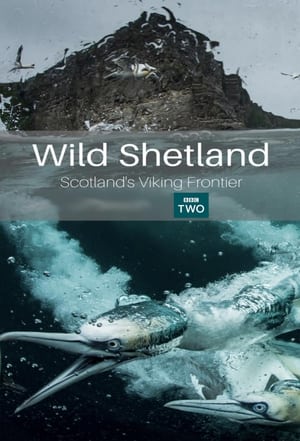
Ewan McGregor narrates a captivating portrait of wild Shetland and traces the course of a breeding season as the animals on these remote islands battle for survival.
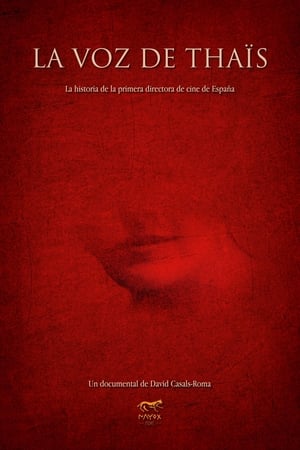
Clara Mingueza, an actress from Barcelona, sets out to move the mortal remains of Elena Jordi (1882-1945), vaudeville star, actress and the first woman director of Spanish cinema, to her hometown, while trying to find a copy of Thaïs, the only film she directed.
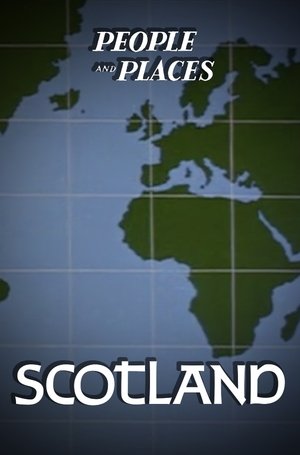
Scotland is a country of three distinct regions—the highlands, the islands, and the lowlands. These regions are examined, showing how the isolated people contact the outside world with their use of channel boats called “Puffers,” how they observe the customs of the seasons, and how the various clans and regiments celebrate their history at the Edinburgh Festival.
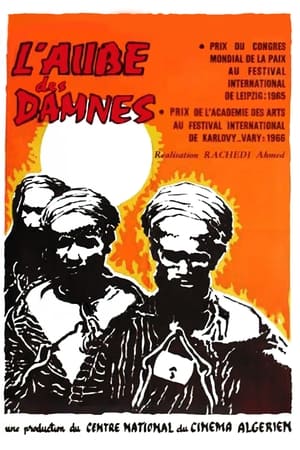
This excellent feature-length documentary - the story of the imperialist colonization of Africa - is a film about death. Its most shocking sequences derive from the captured French film archives in Algeria containing - unbelievably - masses of French-shot documentary footage of their tortures, massacres and executions of Algerians. The real death of children, passers-by, resistance fighters, one after the other, becomes unbearable. Rather than be blatant propaganda, the film convinces entirely by its visual evidence, constituting an object lesson for revolutionary cinema.
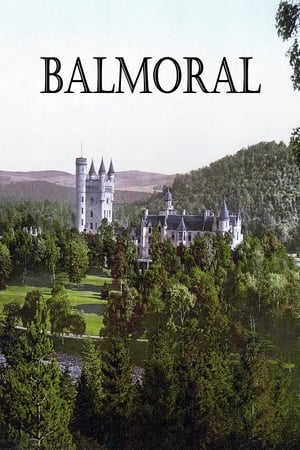
Documentary telling the story of Balmoral, the royal family's most private residence. For over 150 years this Scottish castle has been home to royal traditions of picnics, stag hunting and kilts. From prime ministers to Princess Diana, life at this tartan-bound holiday home has not appealed to everyone. But there is another story of Balmoral, of how the royal family has played a role in shaping modern Scotland and how Scotland has shaped the royal family. Queen Victoria's adoption of Highland symbols, from tartan to bagpipes, helped create a new image for Scotland. Her values, too, helped strengthen the union between Scotland and England. Ever since, Balmoral has been a place that reflects the very essence of the royal family.
Documentary about Indigenous peoples' profound connection to nature and their struggle against deforestation, a grave threat to their way of life and the ecosystem they call home.
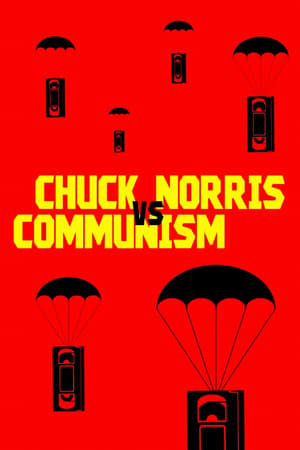
In late eighties, in Ceausescu's Romania, a black market VHS bootlegger and a courageous female translator brought the magic of Western films to the Romanian people and sowed the seeds of a revolution.
This fascinating musical exploration of Scotland retraces the journey taken in 1829 by acclaimed composer Felix Mendelssohn, which inspired some of his most famous works, such as the "Scottish" Symphony and "The Hebrides" overture. Travel from the majestic sites of the historic Edinburgh Castle, Scott Monument and Palace of Holyrood to the picturesque island of Staffa, home of the legendary Fingal's Cave.
After 40 years of solitude, a spirited elderly hermit tackles ill health, a declining memory, and questions whether he can live out his last years in the wilderness he calls home.
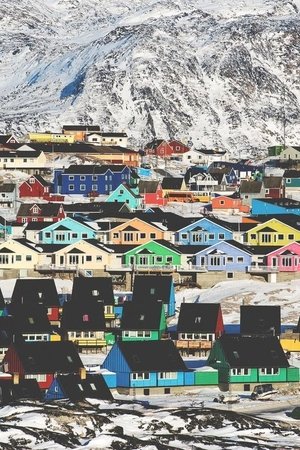
"Melting Lives - Victims of the New Weather" is a six-part documentary series in which the viewers meet people in the Arctic region who live close to and depend on nature for survival, and who struggle to maintain their way of life. Their tales are being heard and testimonies about how life is changing as the world gets ever warmer. The host, Samuel Idivuoma, is from northern Sweden. He visits Inuits on Greenland and in Alaska, aboriginal people in Canada and Nenets from the Siberian tundra in Russia
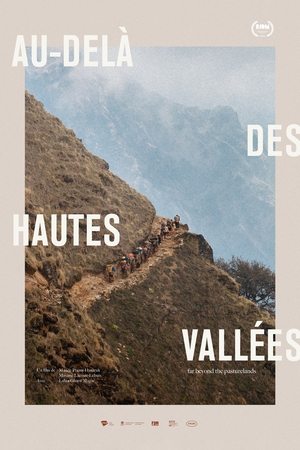
In a remote himalayan region, the villagers of Maikot are preparing for the harvest of a mysterious aphrodisiac caterpillar-mushroom worth more than gold.
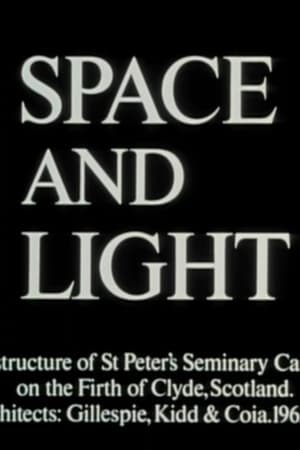
An award-winning wordless documentary that explores the architecture of the then new St. Peter's Seminary which is now seen as one of the most important post-war buildings in the United Kingdom. The film was made in celebration after architect Jack Coia was awarded the RIBA Gold Medal in 1969. Winner of the Medalla de Bronce at the Fifth Union of International Architects Festival in Madrid (1975).