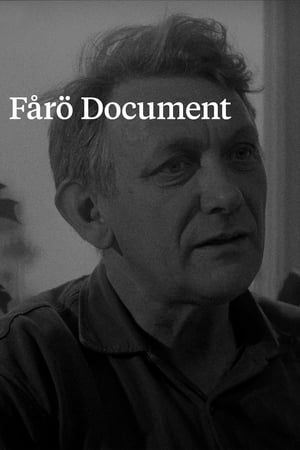
Shot on the island of Fårö, this documentary presents interviews with local inhabitants as they discuss work, family life, and the conditions of living in a sparsely populated rural community. Bergman documents generational differences and practical concerns surrounding farming, fishing, education, and migration as the island confronts social and economic change.
A poetic documentary of its nature and of some rare people living on Gotska Sandön, an isolated island in the Baltic Sea, close to Ingmar Bergman’s home residence Fårö.
Lieutenants Johnny Waller and Ingvar Lund have been appointed captains of two torpedo boats.
Tom Leimer arrives to the isle of Gotland, Sweden during the summer in order to find his old love Therese Sandström. She has, however, started a new life together with the upper-class-guy Karl von Silberhelm, and wishes no longer to know Tom because of his criminal past. A virus, turning people into living dead, breaks out on the isle. Tom makes his decision to try to rescue Therese - a choice that turns out to be more dangerous than he expected, since each who is infected hungers always for fresh human-flesh.
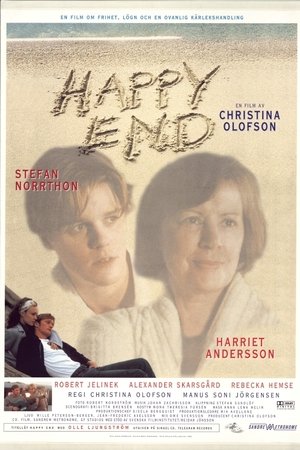
Happy End is a story about Lukas, a self-absorbed young man adrift who meets Marja, an experienced, older woman. Lukas dreams of becoming a rock star. He escapes the city to his father's holiday flat in Visby, a town on the Baltic island of Gotland. But the flat has been rented out to Marja, an eccentric 69-year-old writer determined to complete her memoirs. Nothing can hold her back, least of all a confused dreamer. Much against their will, a friendship slowly develops. But Marja harbors a secret, and when the truth emerges their friendship is put to the test. Their stay on Gotland takes an unexpected turn...
Set in beautiful Faro, a young woman named Ida, feels lonely and loses all hope, believing death is looking for her. She soon comes up with a creative way of trying to cheat death itself.
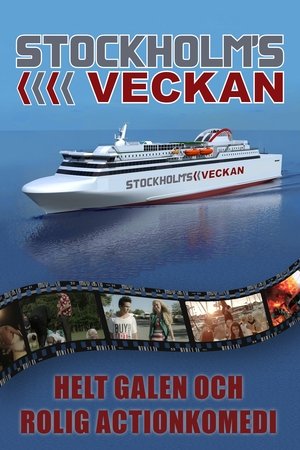
A bunch of young people travel to Gotland on their vacation - partying expected 24/7. But they get into trouble - with both the local population and a criminal gang.
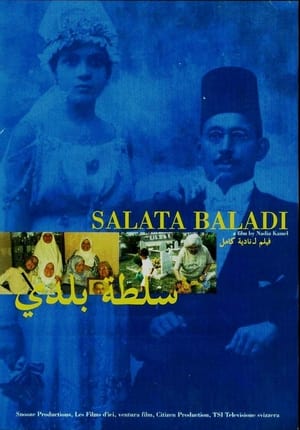
As the Egyptian society is hit with a wave of religious and national extremism, filmmaker Nadia Kamal and her grandmother Mary resort to storytelling as they recount to the grandson Nabeel the history spanning 100 years of changes. What's a better way than storytelling to preserve identity?
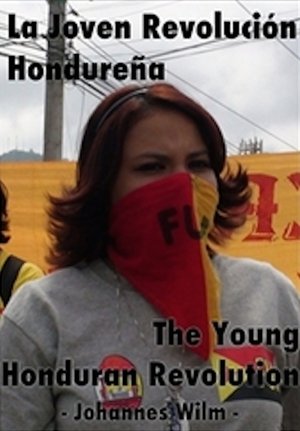
In the Honduran coup of June 28, 2009, where the Constitutional President was kidnapped, a popular movement was born without precedent because of its national character. The students, members of the popular resistance, explain their reasons and their vision in the middle of this conflict that received continental uproar. Filmed in August 2009 while the president is still in involuntary exile. Filmed days after the coup, this documentary shows impressions, opinions and positions of the Central American people in their struggle for democracy and the restitution of the Constitutional President José Manuel Zelaya. In the voice of the students and other Honduran protagonists.
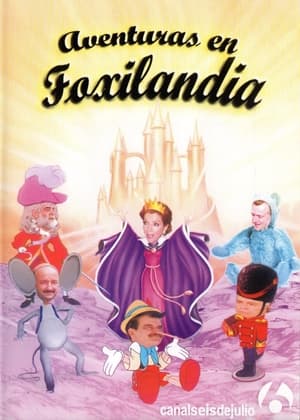
Based on careful research, this documentary touches on the most striking aspects of Foxilandia, the management of President Vicente Fox, and dissects this national tragicomedy from the political, economic and social points of view.
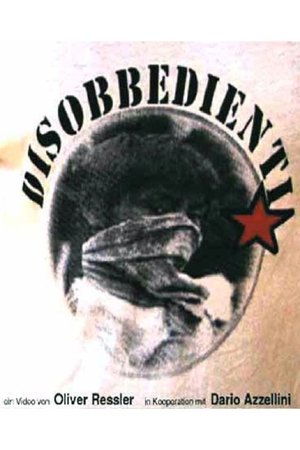
The Disobbedienti emerged from the Tute Bianche during the demonstrations against the G8 summit in Genoa in July 2001. The “Tute Bianche” were the white-clad Italian activists who used their bodies – protected by foam rubber, tires, helmets, gas masks, and homemade shields – in direct acts and demonstrations as weapons of civil disobedience. The Tute Bianche first appeared in Italy in 1994 in the midst of a social setting in which the “mass laborer,” who had played a central role in the 1970s in production and in labor struggles, was gradually replaced in the transition to precarious post-Fordist means of production. “Disobbedienti” thematizes the Disobbedienti’s origins, political bases, and forms of direct action on the basis of conversations with seven members of the movement.
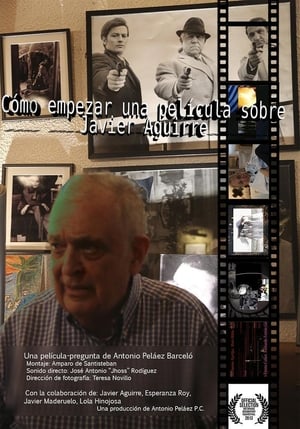
Cómo empezar una película sobre Javier Aguirre
Documentary - Short Film
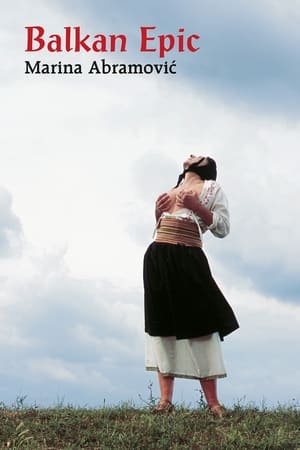
The film explores the sexual aspects of Serbian folklore. Ancient myths that have trickled into everyday household remedies or explanations are juxtaposed with the joys of the female and male sexual forms from which all human life originates. Functioning as both sexual liberation and reinvented modern myth, Balkan Erotic Epic is a display of the need for a cultural change in viewpoint around sex.
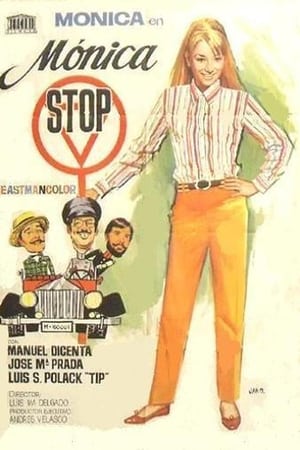
Mónica Stop
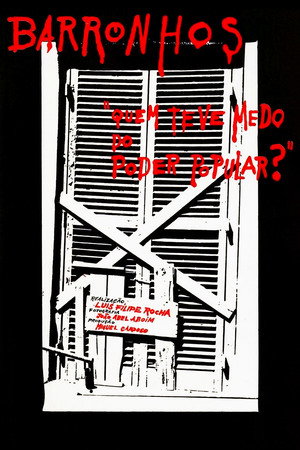
In the hot summer of 1975, in the middle of the revolution, in the heat of political and social conflicts, a crime is committed in a slum neighborhood on the outskirts of Lisbon. Analyzing this crime, as its causes, its protagonists, its local and national context, the film proposes a hot reflection on the Revolutionary Process in Progress (Processo Revolucionário em Progresso ) that throughout the year and throughout the country, and on how political contradictions, Social and economic rights that divided Portugal as a result of the military coup of 25 April 1974.
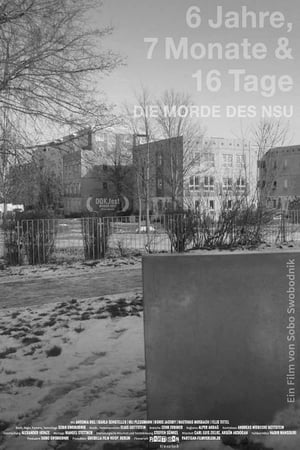
6 Jahre, 7 Monate und 16 Tage - Die Morde des NSU
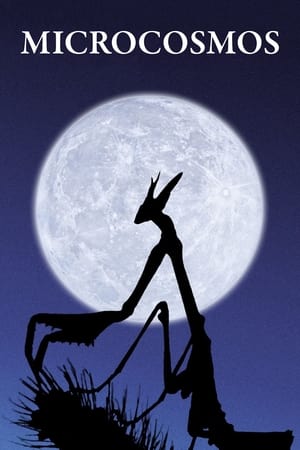
A documentary of insect life in meadows and ponds, using incredible close-ups, slow motion, and time-lapse photography. It includes bees collecting nectar, ladybugs eating mites, snails mating, spiders wrapping their catch, a scarab beetle relentlessly pushing its ball of dung uphill, endless lines of caterpillars, an underwater spider creating an air bubble to live in, and a mosquito hatching.
An innocent tourist travels to LA and unexpectedly conjures her sister's last night alive. Bold score, stylized dance and an eccentric cast, shot at The Standard Hotel, weave a dark and luminous film that revamps traditional narrative.
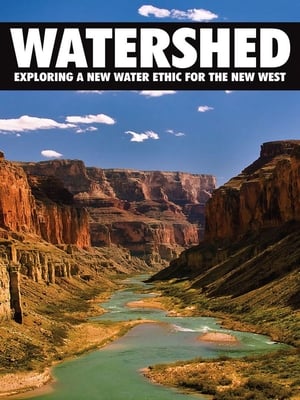
As the most dammed, dibbed, and diverted river in the world struggles to support thirty million people and the peace-keeping agreement known as the Colorado River Pact reaches its limits, WATERSHED introduces hope. Can we meet the needs of a growing population in the face of rising temperatures and lower rainfall in an already arid land? Can we find harmony amongst the competing interests of cities, agriculture, industry, recreation, wildlife, and indigenous communities with rights to the water? Sweeping through seven U.S. and two Mexican states, the Colorado River is a lifeline to expanding populations and booming urban centers that demand water for drinking, sanitation and energy generation. And with 70% of the rivers’ water supporting agriculture, the river already runs dry before it reaches its natural end at the Gulf of California. Unless action is taken, the river will continue its retreat – a potentially catastrophic scenario for the millions who depend on it.