A MOVIE IN THE 8mm Film. By Akiyoshi Imazeki
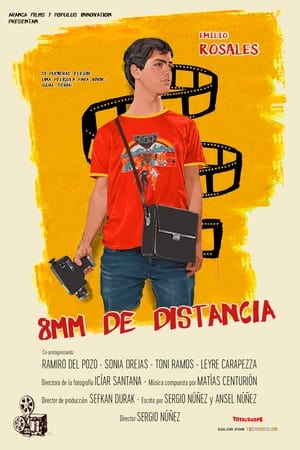
Evan, an orphaned 22-year-old who grew up in the foster care system, buys a vintage 8mm camera in a yard sale from an elderly man, ends up with reels of the man's old home movies, and begins to live vicariously through these home movies.
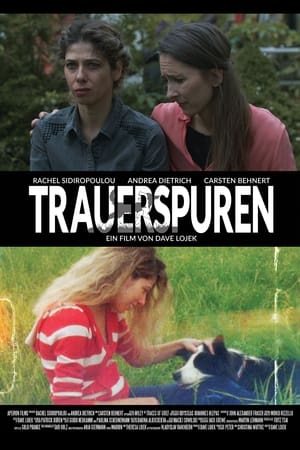
Shell-shocked Barbara must face up to the loss of a dear companion after a tragic accident. Her best friend Klara and husband Torsten devise a plan to thaw Barbara's heart, after she reminisces about the incident, the funeral, and happier times. Will she agree to the suggestions of her nearest and dearest? Can grief turn into hope?
Heartbroken, Madeline goes out on the town ruminating on the cyclical nature of love. She passes from one thrill to another looking for answers. Relationships come and go but memories are forever.
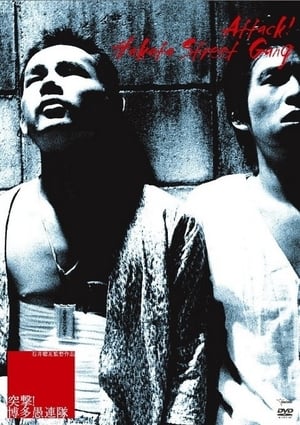
Known for his striking visuals and outlandish subject matter, maverick director Sogo Ishii is considered to be the master of Japanese punk cinema. In ‘Attack!’, biker gangs meet the Japanese punk scene. Continuation of the filming of "High School Panic" after a stoppage by the production company. Awarded at the 1978 Pia FIlm Festival.
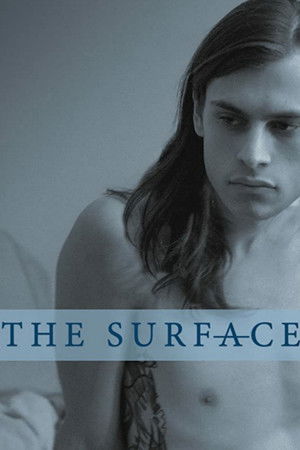
Ito, Yoshida, Kanbara, and Harumi are high school classmates. Ito secretly has feelings for his best friend, Yoshida. Yoshida doesn't seem confused by Ito's feelings, but simply accepts them naturally. However, one night.
Collective experimental film by Team 8mm TENGOKU.
Director Noboru Iguchi's first 8mm film, which he shot as a high school student.
A filmmaker plays with diary-docu and fiction as his camera joins his ventures into a phone dating club. Bored to death, hormones running, and desperately wanting to talk to someone his own age (preferably a girl), he walks into a local phone dating club. Can he hook up with someone? Borrowing the form of a diary-movie, the director unfurls an unpredictable and imaginative look into his own persona. 8mm experimental film by Murakami Kenji, the film that made his name.
Since his father's death, Bruno divides his time between his duties as a student and his love of cinema. When he finds an old super8 camera belonging to his father, he changes his perception of the world in which he lives.
Javier discovers an old camera in his home's garage along with some undeveloped 8mm film reels that hide a hidden past his mother does not want to remember.
Directorial debut by Klaus Hofmann and Bernd Siebert, shot on 8mm.
Convinced that a museum art sculpture is misaligned, a determined tourist challenges the gallery’s security protocols in an attempt to adjust the positioning of the central piece.
Set against the vibrant spectacle of the jaripeo, a symbol of Mexican cowboy tradition and machismo, this story unveils a hidden world of queer desire and quiet rebellion. As glances and gestures disrupt the rigid norms of masculinity, the rodeo becomes a stage for our protagonists to navigate identity, community, and the search for belonging in an oppressively traditional space.
A sunny day at the park becomes a duel to the death when two lemonade sellers turn to guerrilla warfare in a battle for customers.
An awkward boy and a shy girl meet on a bench, what awaits is a night they will remember forever.
This is Poe and Král's first effort, shot on small-gauge stock, before their more well-known endeavor The Blank Generation (1976) came to be. A "DIY" portrait of the New York music scene, the film is a patchwork of footage of numerous rock acts performing live, at venues like Madison Square Garden, Radio City Music Hall, the dive bars of Greenwich Village and, of course, CBGB.
A magician’s creation roams free in a city and explores its consciousness.
A fragmented collection of independent closed cinemas, in London during lockdown, captured on Super 8mm film.
"Piano Dance shows the viewer a shadowy piano accompanied by the sound of piano music. The piano is then seen to be a toy, the headdress of a woman with hollow eyes and a pasty face who moves like a marionette in a weird dance. She is dressed as if she were a cabaret performer in black tie and tails and white gloves. The images whirl and the piano is both large and small as the camera sees it in varying scale. The protagonist does not appear to move of her own volition but by the will of another. Her dance fades, not because it is over but because we are no longer privileged to see it. One feels that it continues eternally." — Barbara Sharres, "Trance Occurrences," Chicago Reader, January 15 1982.