Bailouts, stimulus packages, debt piled upon debt…Where will it all end? How did we get into a situation where there has never been more material wealth & productivity and yet everyone is in debt to bankers? And now, all of a sudden, the bankers have no money and we the taxpayers, have to rescue them by going even further into debt! Money as debt II explores the baffling, fraudulent and destructive arithmetic of the money system that holds us hostage to a forever growing DEBT… and how we might evolve beyond it into a new era.
A documentary about the development and spread of the virtual currency called Bitcoin.
He never scored a single goal as a professional, but he profoundly transformed soccer. Starting from nothing, Jean-Claude Darmon ushered in a new era for the sport: one of business and spectacle. Sponsorship, marketing, television rights—he designed it all, negotiated it all, and turned it all upside down. Between confidential agreements, daring moves, and ego rivalries, his rise to the top reads like an epic tale.
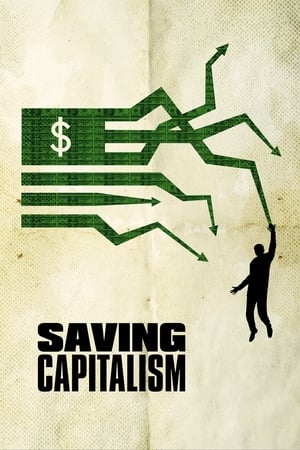
Former Secretary of Labor Robert Reich meets with Americans from all walks of life as he chronicles a seismic shift in the nation's economy.
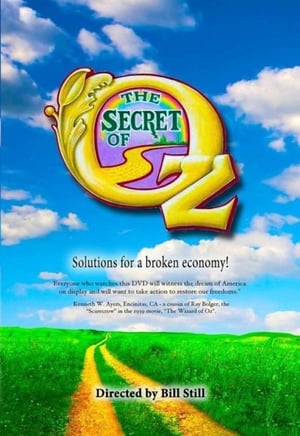
It is well known in economics academia that The Wonderful Wizard of Oz written by L. Frank Baum in 1900 is loaded with powerful symbols of monetary reform which were the core of the Populist movement and the 1896 and 1900 president bid of Democrat William Jennings Bryan. The yellow brick road (gold standard), the emerald city of Oz (greenback money), even Dorothy’s silver slippers (changed to ruby slippers for the movie version) were the symbol of Baum’s and Bryan’s belief that adding silver coinage to gold would provide much needed money to a depression-strapped, 1890s America. We believe Baum’s symbols represent the only solution to relieve the growing economic hardship here in America – and the rest of the world. Practically speaking, 2009 marks the 70th anniversary of the 1939 MGM release of the The Wizard of Oz movie, so interest will be very high. Even Oz websites put up by kids get millions of hits.
The former French colonies in Central and West Africa have been independent since 1960, but most of these countries still use the currency of the former oppressor: the CFA franc. It was linked to the French franc when it was introduced, so the national bank in Paris controlled monetary policy. Now the currency has a fixed exchange rate with the euro. The link with the European currency strongly influences the monetary policy of CFA countries. And that means the value of the CFA franc is defined by political decisions taken elsewhere, rather than by the domestic economy.
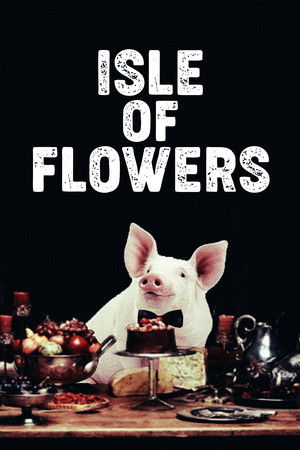
A tomato is planted, harvested and sold at a supermarket, but it rots and ends up in the trash. But it doesn’t end there: Isle of Flowers follows it up until its real end, among animals, trash, women and children. And then the difference between tomatoes, pigs and human beings becomes clear.
Jamie Johnson takes the exploration of wealth that he began in Born Rich one step further. The One Percent, refers to the tiny percentage of Americans who control nearly half the wealth of the U.S. Johnson's thesis is that this wealth in the hands of so few people is a danger to our very way of life.
Paul Grignon's 47-minute animated presentation of "Money as Debt" tells in very simple and effective graphic terms what money is and how it is being created
Michael Moore comes home to the issue he's been examining throughout his career: the disastrous impact of corporate dominance on the everyday lives of Americans (and by default, the rest of the world).
The story of America's rise to power starting with 1959, using archival footage and US pop music to highlight the consequences to the rest of the world and in the peoples' minds.
If you think you know how money is created in Canada, think again. Great home made documentary about Canada and its current monetary system. Canada in a nutshell. Great interviews with former Prime Ministers, MP’s and others. It doesn’t matter where you are, in what country you live. This might be happening to your county too. This is a movie about money, debt, and ownership (as in who owns the
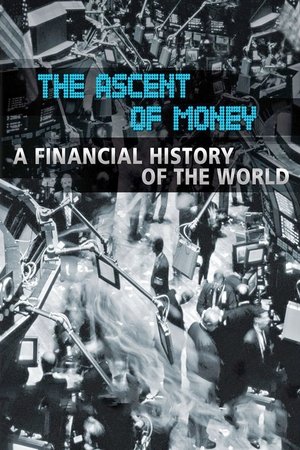
British historian and author Niall Ferguson explains how big money works today as well as the causes of and solutions to economic catastrophes in this extended version The Ascent of Money documentary. Through interviews with top experts, such as former Federal Reserve Chairman Paul Volcker and American currency speculator George Soros, the intricate world of finance, including global commerce, banking and lending, is examined thoroughly.
The film tells the story of a Roma worker in the Zenica iron-works Arif Heralić, whose figure was on the ten thousand dinar bill. Heralić was seeking a monetary compensation for using his character on a banknote he did not receive. He died in 1971 as a disability work in extreme poverty.
Dirty Money - Geldwäsche-Paradies Deutschland
Let’s Make Money is an Austrian documentary by Erwin Wagenhofer released in the year 2008. It is about aspects of the development of the world wide financial system.
A documentary that traces the origins of the political power structure that rules our nation and the world today. The modern political power structure has its roots in the hidden manipulation and accumulation of gold and other forms of money.
Oobah Butler has three months to make a million. Do the get-rich-quick schemes work? A rollercoaster of wins and setbacks follows as Oobah's conscience starts to bite.
What is Bitcoin? With the advent of Bitcoin, the world's first digital currency, for the first time in history money is no longer controlled by banks or governments, but by the people who use it. But where did this currency come from? How does it work? And is it truly the way forward, or just a flash in the pan? Magic Money answers these questions and more as it explores the mysterious origins of Bitcoin, its role in society, and how it could shape the future.
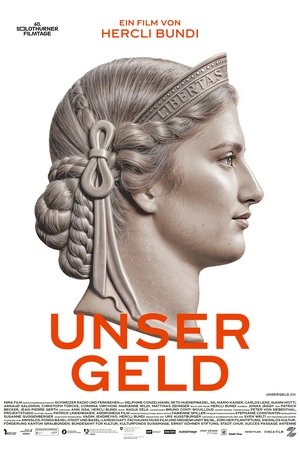
Cash, securities and debt are based on the fact that everyone honors their obligations and gets into debt. Can we free ourselves when money becomes a shackle? Do we serve money or does it serve us?