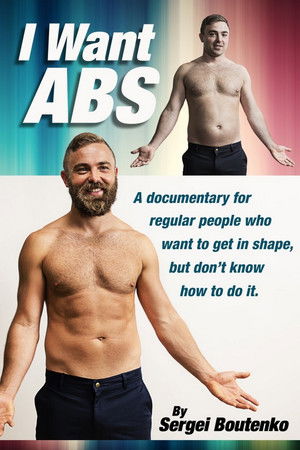
After looking at countless "before and after" photos on the web, Sergei Boutenko became curious to see if he, too, could achieve his dream fitness goals by following a no-gimmick exercise and diet protocol. At age 30, Boutenko noticed his metabolism slowing down, his weight increasing, and the temptation to get caught in life’s bad habits (eating out, drinking, and living sedentary lifestyle). Instead of yielding to these pressures, Boutenko hired a film crew and decided to use himself as a guinea pig.
A 1962 West German documentary film directed by Hermann Leitner and Rudolf Nussgruber.
In an age when every fast food place seems the same, diners have remained distinctive, fun places to stop, full of local flavor. This program takes a look at several of the most interesting diners in Pennsylvania, and also considers a few other roadside restaurants (like Midway Plaza on the Pennsylvania Turnpike) that have interesting histories and reputations for good “home-cooked” food. So get a cup of coffee. Have a seat. And come along as we visit great little restaurants from Wellsboro to Downingtown, from Milford to Conneaut Lake. Let’s go to Potato City, to the Melrose in Philly and to unforgettable little places from Pittsburgh to Poconos. Whether it’s the middle of the night in State College or lunchtime in Smethport, this documentary gives you an unusual taste of Pennsylvania and some of its quirkier cuisine.
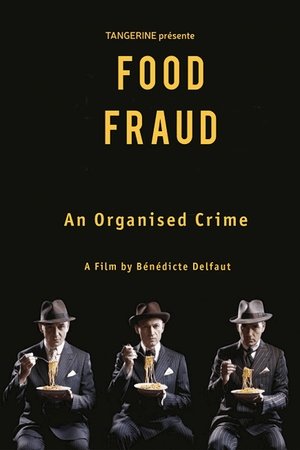
All food can be adulterated. More discreet than a drug cartel, more elusive than arms dealers, criminals have taken over food. Olive oil, fish, meat, spices, no department escapes their juicy traffic. A jackpot estimated in Europe at 30 billion euros enriches a new kind of mafia every year. Organized crime is selling altered products in restaurants, supermarkets and all food shops in the European Union. Their secret is to replace an ingredient with a cheaper one. Who are these new traffickers? What are their methods of operation?
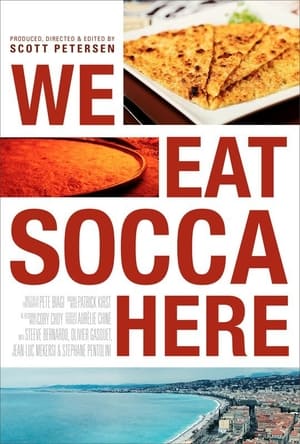
The hidden story of a savory local specialty found only on the French Riviera and the surrounding areas. Socca enjoys a historical and cultural significance that far outweighs its simple and rustic four ingredients. How Nice!
Noodle Kid
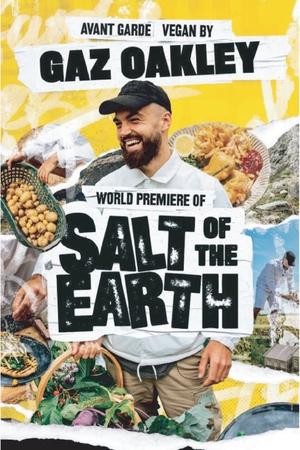
Gaz Oakley goes on a culinary journey across his home country of Wales & is blown away with what he finds.
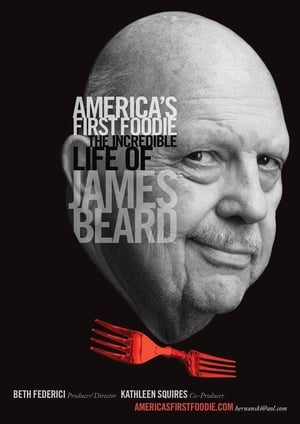
Food in the 21st century has become much more than “meat and potatoes” and canned soup casseroles.” Chefs have gained celebrity status; recipes and exotic ingredients, once impossible to find, are now just a mouse click away; and the country's major cities are better known for their gastronomy than their art galleries. This food movement can be traced back to one man: James Beard. His name graces the highest culinary honor in the American food world today—the James Beard Foundation Awards. And while chefs all around the country aspire to win a James Beard Award, often referred to as the “culinary Oscars,” many of those same chefs know very little about the man behind the medal. Respected restaurateur Drew Nieporent summed it up when he said, “Everybody knows the name James Beard. They may not know who he is, but they know the name.”
A father teaches his daughter the ancient art of hand pulled noodles
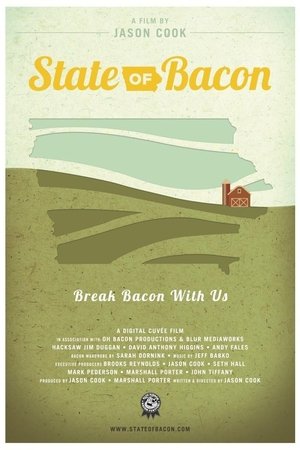
State of Bacon tells the kinda real but mostly fake tale of an oddball group of characters leading up to the annual Blue Ribbon Bacon Festival. Bacon-enthusiasts, Governor Branstad, a bacon queen, Hacksaw Jim Duggan, members of PETA, and an envoy of Icelanders are not excluded from this bacon party and during the course of the film become intertwined with the organizers of the festival to show that bacon diplomacy is not dead.
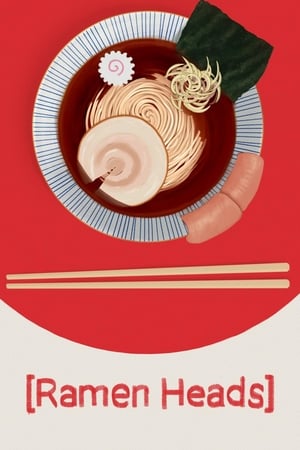
In Ramen Heads, Osamu Tomita, Japan's reigning king of ramen, takes us deep into his world, revealing every single step of his obsessive approach to creating the perfect soup and noodles, and his relentless search for the highest-quality ingredients.
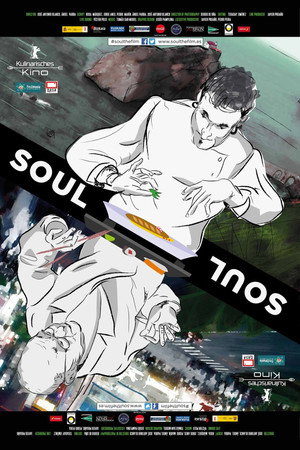
Soul explores the secrets of gastronomy where two cuisines apparently so opposite in their philosophy, conception and experience, have both earned the highest culinary recognition, three Michelin stars.
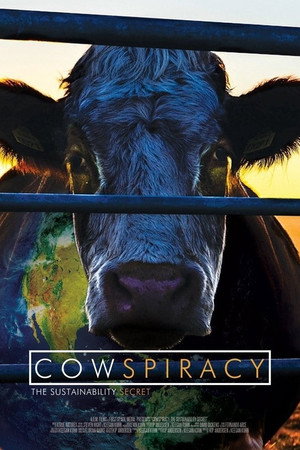
Follow the shocking, yet humorous, journey of an aspiring environmentalist, as he daringly seeks to find the real solution to the most pressing environmental issues and true path to sustainability.
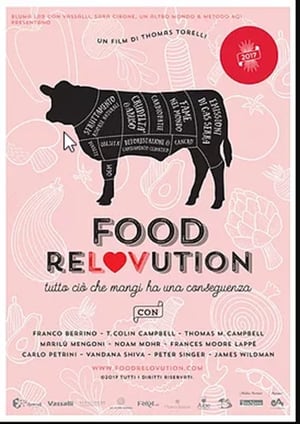
“Food Relovution: What We Eat Can Make A Difference” is an eye-opening and compelling feature documentary that examines the consequences of the meat culture as concerns grow about health, world hunger, animal welfare and the environmental cost of livestock production. It aims to show how these global issues affect everyone and are interrelated, and how making our food choices with a sense of awareness, knowing what we are buying and what we are eating is the first fundamental step towards a better world.
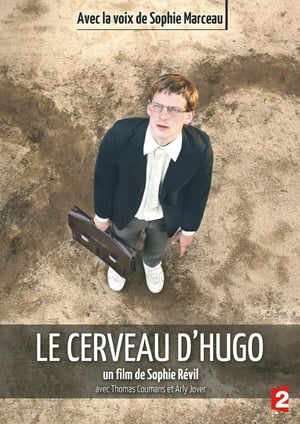
The Hugo's Brain is a French documentary-drama about autism. The documentary crosses authentic autistic stories with a fiction story about the life of an autistic (Hugo), from childhood to adulthood, portraying his difficulties and his handicap.
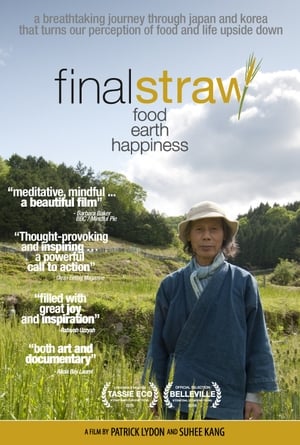
A deep and visually stunning survey of age-old ideas about food, ecological connectedness, and personal happiness. The film's warm cast guide audiences on a transformational journey through Japan, Korea, and the United States.
Tibet - Les nourritures terrestres
Cruelty, psychological and sexual violence, humiliations: reality television seems to have gone mad. His debut in the early 2000s inaugurated a new era in the history of the audio-visual. Fifty years of archives trace the evolution of entertainment: how the staging of intimacy during the 80s opened new territories, how the privatization of the biggest channels has changed the relationship with the spectator. With the contribution of specialists, including philosopher Bernard Stiegler, this documentary demonstrates how emotion has made way for the exacerbation of the most destructive impulses.
A Cambridge geneticist dispels misconceptions about living with obesity and explores why the epidemic continues to expand across the UK and America.
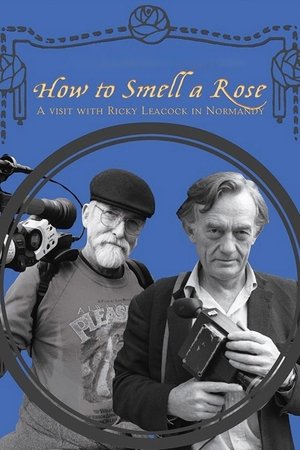
In the year 2000, Les Blank, along with co-filmmaker Gina Leibrecht, visited Richard Leacock (1921-2011) at his farm in Normandy, France and recorded conversations with him about his life, his work, and his other passion: cooking! With the flair of a seasoned raconteur, Leacock recounts key moments in his seventy years as a filmmaker and the innovations that he, D.A. Pennebaker, Albert Maysles and others invented that revolutionized documentary filmmaking, and explores the mystery of creativity. With the passing of both Blank and Leacock, the documentary is a moving insight into the lives of two seminal figures in the history of film.