As society tackles the problem of feeding our expanding population safely and sustainably, a schism has arisen between scientists and consumers, motivated by fear and distrust. Food Evolution, narrated by Neil deGrasse Tyson, explores the polarized debate surrounding GMOs. Looking at the real-world application of food science in the past and present, the film argues for sound science and open-mindedness in a culture that increasingly shows resistance to both.
“Fresh Start: A Marcus Harvin Story” presents an intimate portrayal of Marcus Harvin’s journey as he transcends his past to make a profound impact on the lives of those around him. The documentary offers a rare glimpse into Marcus’s daily life, capturing his heartfelt mission to share not only food but also compassion through his innovative non-profit organization, Fresh Start. Through candid interviews with key figures in Marcus’s life, including Stephanie Harvin, Babatunde Akinjobi, and Bradley Woodworth, the film illuminates Marcus’s unwavering determination and the vital support system that has helped him achieve his dreams. Viewers are invited to follow Marcus for a day, witnessing his dream project in action—an extraordinary restaurant concept where the only payment required is one’s presence.
This explores the reality of chefs and cooks as they struggle to create dishes and experiences enjoyed on a daily basis. The restaurant industry is a tough business, not just for profits, but for everyone involved.
Meat is the modern story of the animals we eat, as told by the people who never get to say their piece - from the solitary hunter who believes everyone needs to be educated about their food, to an industrial pig farmer who argues that money isn't his primary driver.
From New York City to the farmlands of the Midwest, there are 50,000 Chinese restaurants in the U.S., yet one dish in particular has conquered the American culinary landscape with a force befitting its military moniker—“General Tso’s Chicken.” But who was General Tso and how did this dish become so ubiquitous? Ian Cheney’s delightfully insightful documentary charts the history of Chinese Americans through the surprising origins of this sticky, sweet, just-spicy-enough dish that we’ve adopted as our own.
World-renowned Drag Queen Miz Cracker helps a Texas family that’s experiencing strange occurrences after renovating their 1892 home. As a lover of the paranormal, can Miz Cracker solve their ghost problem and help them coexist peacefully with the spirits?
While the debate continues about GMOs, Roundup and other toxic pesticides, this powerful film shares remarkable stories of people who regain their health after discovering the secret ingredients in their food and making a bold commitment to avoid them.
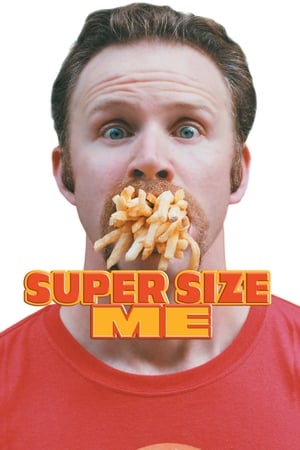
Morgan Spurlock subjects himself to a diet based only on McDonald's fast food three times a day for thirty days without exercising to try to prove why so many Americans are fat or obese. He submits himself to a complete check-up by three doctors, comparing his weight along the way, resulting in a scary conclusion.
Inside a computer a space-time is revealed in which image and sound become numbers and motion manifests as rhythm, flow and chaos. This tracking and integration experiment removes the superficial identity of video to detect kinetic disturbances in everyday environment.
This documentary about Rene Redzepi's Copenhagen restaurant follows the proceedings in the kitchen for six months as Noma climbs to the top of the world's 50 best restaurants.
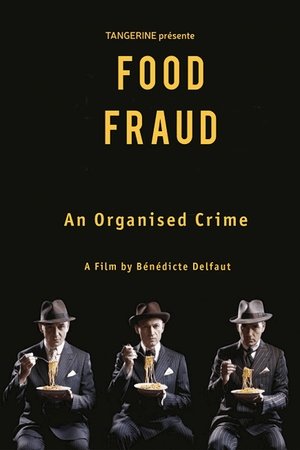
Industrial food production has provided the public with an abundance of food at very low prices. But with obesity and diabetes at record levels in Europe, there is clearly a problem with the food we eat. This documentary puts the spotlight on the agri-food industry and reveals how low-cost ultra-processed foods are really made.
A third edition of the motion picture Food That Builds Good Health. Uses animation to discuss nutrients, basic food groups and balanced meals. Explains what calories and empty calories are and stresses the importance of checking labels for sugar and other additives that a body's cells don't need at all.
Care work, awareness-raising, waste reduction. Thieboudienne, chaufa, paella. What do these recipes have in common? Who cooks them? Where?
Pioneering Australian bio-artists SymbioticA showcase their “Sunlight, Soil & Shit (De)Cycle” project, the latest in a long line of potential technological solutions to the looming global food crisis. Will it save humanity from its doom? Where are the investors?
Merrilees Parker travels to Japan to learn about its unique food culture. She begins her journey in Tokyo, at Tsukiji, the world's biggest fish market. Master chef, Romeo teaches her how to make the ultimate sushi, an art that takes years to master. Then it's off to a ramen museum, where you can try various regional styles of the noodle soup. Escaping the city, Merrilees takes the bullet train to Matsusaka where she visits a farm that produces the most expensive beef in the world. She also visits Kyoto and Mount Fuji for the annual Summer Fire Festival to gorge herself on wonderful street food.
Our protagonists are part of these "pastry magicians" who take up the challenge of making, reinventing and transmitting to the whole world the taste of local delicacies. Through their pastries and their stories of passion and challenge, we will meet men and women who are passionate about the pastries of their regions. We will follow these musketeers in their adventures, their setbacks and their joy of living.
Documentary filmmaker Robert Kenner examines how mammoth corporations have taken over all aspects of the food chain in the United States, from the farms where our food is grown to the chain restaurants and supermarkets where it's sold. Narrated by author and activist Eric Schlosser, the film features interviews with average Americans about their dietary habits, commentary from food experts like Michael Pollan and unsettling footage shot inside large-scale animal processing plants.
Ketchup and mayonnaise have experienced a global success. We love them, but we know almost nothing about them. How have they crossed the centuries and continents since their creation? From industrial tomatoes, specially shaped for the industrial process, to dried egg yolk powder dedicated to the food industry, industrial version sauces are surprising. However, it is possible today to eat gourmet versions of ketchups and mayonnaise. And it is not of little consequence to choose quality ones, because scientifically, they are indeed addictive.
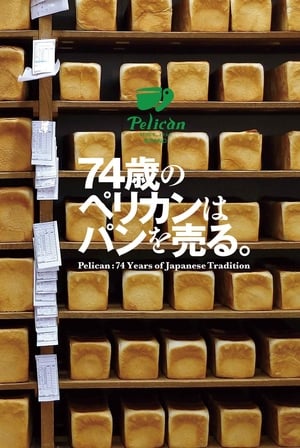
Pelican, a bakery located at Asakusa, Tokyo, becomes crowded every morning. There are only two types of bread sold. It looks ordinary but meet a bakery that has been loved for 74 years with a taste you won't get tired of even if you eat it everyday!
Food in the 21st century has become much more than “meat and potatoes” and canned soup casseroles.” Chefs have gained celebrity status; recipes and exotic ingredients, once impossible to find, are now just a mouse click away; and the country's major cities are better known for their gastronomy than their art galleries. This food movement can be traced back to one man: James Beard. His name graces the highest culinary honor in the American food world today—the James Beard Foundation Awards. And while chefs all around the country aspire to win a James Beard Award, often referred to as the “culinary Oscars,” many of those same chefs know very little about the man behind the medal. Respected restaurateur Drew Nieporent summed it up when he said, “Everybody knows the name James Beard. They may not know who he is, but they know the name.”