La guerra cotidiana
Documentary about the evacuation in different countries, during the Spanish civil war, of thousands of Spanish children to remove them from the conflict. Approximately three thousand children were welcomed by the Soviet Union. Some of these children, now elderly people, tell us about their experiences during this trip that originally was to be a temporary evacuation and which many could not return until twenty years later.
Exilio. El exilio republicano español (1939-1978)
Presas de Franco
The adventures of Guido Picelli, a man who was a leading light in the history of twentieth-century Italy and Europe. Guido Picelli fought untiringly for the affirmation of social justice and opposed every form of totalitarianism.
Milicianes
Spanish Civil War, May, 1938. Four villages in Castellón, Benassal, Albocàsser, Ares del Maestrat and Vilar de Canes, were bombed from the sky and ravaged. 38 people died. Inhabitants never knew for sure who piloted the planes responsible for such atrocity, although the rebel propaganda attributed the act to the republican side. Now, 80 years later, the truth is finally exposed.
After fighting on the Republican side during the Spanish Civil War, a man goes into exile in France while his family waits for his return in a Catalan village.
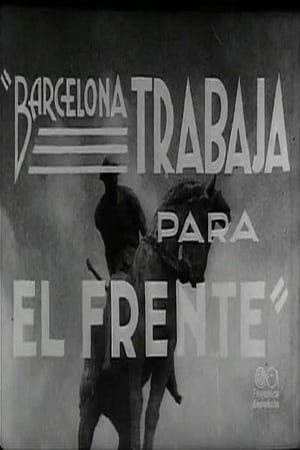
A pro-Republican propaganda documentary made during the Spanish Civil War. It is a report of the demonstration held in Valencia in 1936 in solidarity with those wounded in the war.
The son of an anarchist republican who went into exile in Mexico in 1941 brings back to Spain the suitcase with which his father left Spain. Through his testimonies we will discover the exciting story of his father, unknown until today in Spain.
Spain, April 14, 1931. The Second Republic is born. From the beginning, the writer Miguel de Unamuno is considered one of the ethical pillars of the new regime. Five years later, on December 31, 1936, a few months after the outbreak of the Spanish Civil War (1936-39), Unamuno dies at his home in Salamanca, capital of the rebel side, led by General Francisco Franco, and main center of dissemination of its propaganda apparatus.
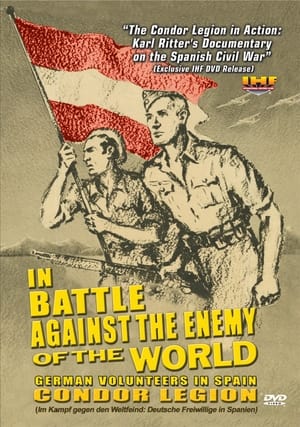
Nazi propaganda film about the Condor Legion, a unit of German "volunteers" who fought in the Spanish Civil War on the side of eventual dictator Francisco Franco against the elected government of Spain.
Benjamina Miyar Díaz (1888-1961) led an unusual life in her house on calle del Agua in Corao, Asturias, at the foot of the Picos de Europa mountain range in northern Spain: she was a photographer and watchmaker for more than forty years, but she also fought in her own humble and heroic way against General Franco's dictatorship.
Arnau is a seventeen year old with a totally carefree life. In high school, falls in love with Olga. From there his life changes. To make merit with Olga, pointing to all those involved in activities, including going to care for elders at the weekend that the association is voluntary Olga. This is how he meets Ramon, a man of a past that has a confusing libertarian principle Alzeheimer.
A documentary about the Spanish anarchist.
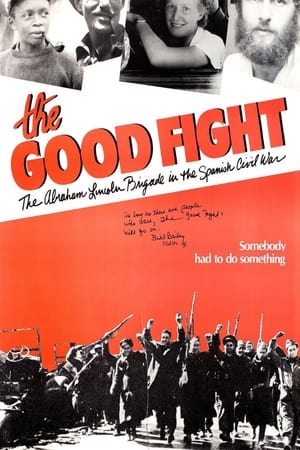
This documentary examines the experiences of the Abraham Lincoln Brigade, using interviews with survivors more than 50 years later. First, the film sets the context with the rise of Fascism. Then, in 1936, Spain's military revolts against the elected government, and the U.S. and Europe agree not to intervene. In response, volunteers snuck past border guards into Spain to fight with the Republicans. The men and women veterans describe the perils of reaching Spain, limited training, responsibilities of command thrust on the very young, deprivations of a soldier's life, lack of matériel, horrible rates of casualties, and ultimate vindication at the end of World War II.
La batalla del Ebro
A propaganda documentary about the Comité Central de Abastos. This committee provided food and support for the Republican forces in the Spanish Civil War.
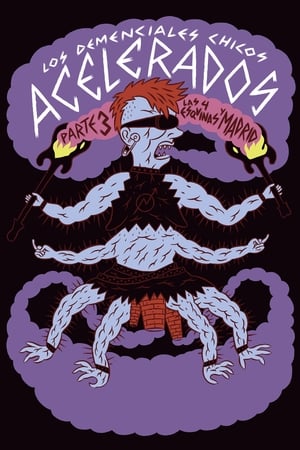
Las cuatro esquinas y Madrid
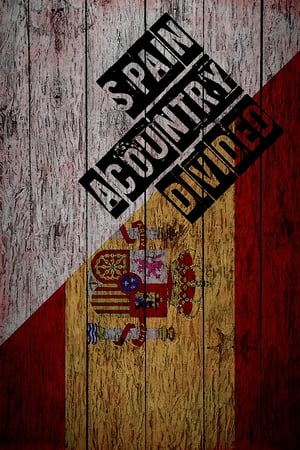
Obsessively referring to the traumas and wounds that the Spanish civil war (1936-39) and Franco's dictatorship (1939-75) caused in their day no longer serves to explain the impassable abyss of incomprehension and hatred that the abject policies and radical positions adopted by both the right and the left in recent decades have opened up before the citizens of a country that is barely known beyond hackneyed cultural clichés.