Andrew Weil, M.D., program director of integrated medicine at the University of Arizona, teaches doctors and the public about nutrition, In this video, he describes good eating habits, nutritional health, and cooking. He also shares some cross-cultural perspectives on these fundamental topics.
One of America's best-known and most respected doctors offers a sensible approach to eating: He emphasizes enjoyment over deprivation, and long-term health benefits over short-term weight loss. Dr. Weil assures us that there is no confusion among nutrition experts about the optimal diet for health, body weight, and longevity. Understanding inflammation to be the root cause of many chronic illnesses, he gives science-based recommendations to help combat specific health concerns, all as part of an anti-inflammatory diet. On the subject of dietary supplements, he talks about what's perilous and what can help.
A Cambridge geneticist dispels misconceptions about living with obesity and explores why the epidemic continues to expand across the UK and America.
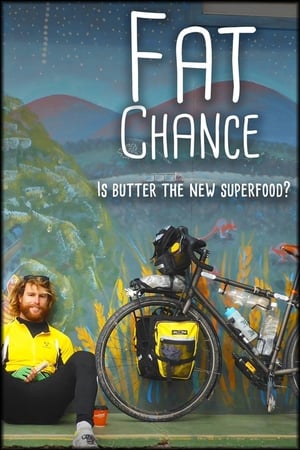
Fat Chance is a grassroots Australian story of physical conquest that will change the way you feed your family forever. This new documentary follows Warren Hepsworth who sets out to ride a pushbike from Perth to Melbourne on a low-carb, high-fat diet. You’ll see Warren’s preparation for the ride as well as highlights and lowlights from the journey, and the diet change. The movie attempts to debunk the notion that athletes have to carb load and that you can’t get your energy from fat. In the process we learn that much of what we’ve been told about a healthy diet is wrong.
In a world where 92 million Americans rely on statins as their lifeline, one man's unexpected health journey uncovers a medical mystery that could upend everything we think we know about heart health, cholesterol, and the ketogenic diet.
This is a Dutch documentary about the last weeks of life in a Portuguese clinic for Emma Caris, a 18 year old girl who had been suffering anorexia nervosa since she was 16 years old.
Diane Israel, a former world-class triathlete, becomes a psychotherapist after battling anorexia. She shares her story while interviewing champion athletes, body builders and models about self-image.
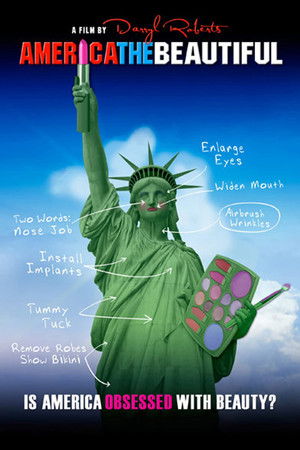
In a society where "celebutantes" like Paris Hilton dominate newsstands and models who weigh less than 90 pounds die from malnutrition, female body image is one of the more dire problems facing today's society. "America the Beautiful" illuminates the issue by covering every base. Child models, plastic surgery, celebrity worship, airbrushed advertising, dangerous cosmetics - no rock is left unturned.
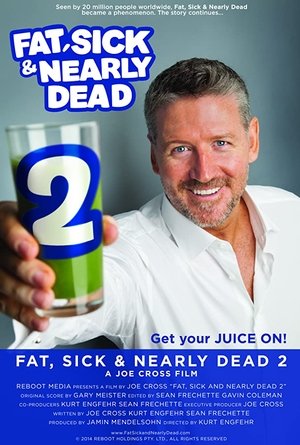
Joe Cross took viewers on his journey from overweight and sick to healthy and fit via a 60-day juice fast in the award-winning Fat Sick and Nearly Dead. With Fat, Sick & Nearly Dead 2, he looks at keeping healthy habits long-term.
From the UFC Octagon in Las Vegas and the anthropology lab at Dartmouth, to a strongman gym in Berlin and the bushlands of Zimbabwe, the world is introduced to elite athletes, special ops soldiers, visionary scientists, cultural icons, and everyday heroes—each on a mission to create a seismic shift in the way we eat and live.
One in three Americans is pre-diabetic. A huge percentage of them do not know that they are sick. Adult onset diabetes is no longer an illness for the obese and elderly. Millions of Americans who regularly exercise and eat a diet recommended by the USDA are classified as "skinny-fat". The connection between the standard American diet and numerous metabolic disorders is now an unspoken fact in most medical circles
FAT: A Documentary 2 is the sequel to the international sensation that delves deeper into the lies and myths surrounding the age old question: "What should I be eating?"
Weight loss expert Vinnie Tortorich and award-winning filmmaker Peter Pardini want you to join their team to make a hard-hitting documentary film that exposes the widespread myths and lies around healthy eating, fat and weight loss and shows how, in spite of all our good intentions, we go on getting fatter and fatter.
British journalist and physician Michael Mosley sets an ambitious goal: to become healthier and lose weight while making as few changes as possible to his life. In working toward these goals, Mosley discovers a powerful new science behind the old idea of fasting, a program that still allows him to enjoy his favorite foods. He takes a road trip across the U.S. to investigate how a little hunger can turn on the body’s “repair genes” and, of course, tries the new science himself. Mosley learns that a diet based on feast and famine has powerful effects on the body, reducing the risks of heart disease, diabetes and some cancers. The diet seems to pack the anti-aging clout of calorie restriction while still allowing for a taste of the good life. And it turns out to be not only good for the body; it may also be good for the brain.
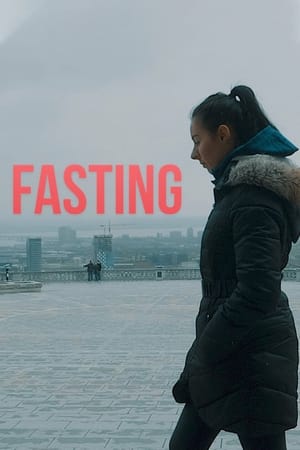
A fist-person story of the director of the documentary, who talks about the loneliness that entails living with an eating disorder and her vision now thar she is entering into adulthood.
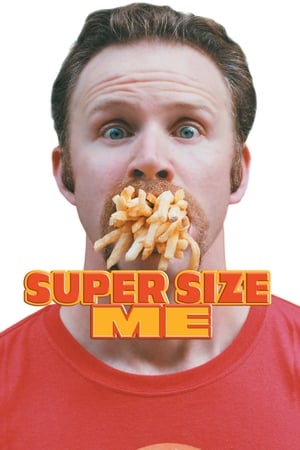
Morgan Spurlock subjects himself to a diet based only on McDonald's fast food three times a day for thirty days without exercising to try to prove why so many Americans are fat or obese. He submits himself to a complete check-up by three doctors, comparing his weight along the way, resulting in a scary conclusion.
Documentary about eating disorders among professional climbers
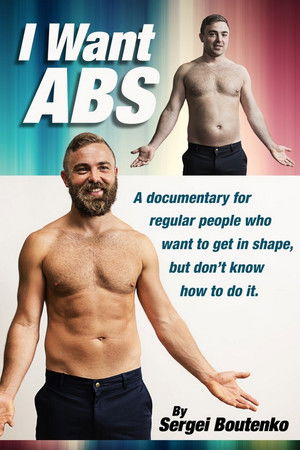
After looking at countless "before and after" photos on the web, Sergei Boutenko became curious to see if he, too, could achieve his dream fitness goals by following a no-gimmick exercise and diet protocol. At age 30, Boutenko noticed his metabolism slowing down, his weight increasing, and the temptation to get caught in life’s bad habits (eating out, drinking, and living sedentary lifestyle). Instead of yielding to these pressures, Boutenko hired a film crew and decided to use himself as a guinea pig.
Eating, 2nd Edition: Introducing The RAVE Diet presents graphic evidence of how animal foods are not meant for human consumption, and how the suffering and death of the animals "takes revenge" on the humans who eat them by causing most of our chronic diseases, and how the switch to a all whole-food plant based diet can begin to reverse many of these diseases in as little as three weeks.
Session 8 covers some essentials of nutrition for adding muscle definition and mass: macronutrients, proteins, fats, how much to eat and when, losing fat, maintaining muscle, the importance of eating of enough carbohydrates, and year-round consistency.