Ludruk Tobong artists are trying to maintain the arts that support their livelihood and are also trying to eliminate the negative stigma of trans women through cultural media.
How well we know our cup of coffee?
How did the rise of LGBTQ visibility, political progress, and digital technologies in the 2000s come together to offer the abundance of complex queer and transgender representations we see today? Media scholar Katherine Sender shows how LGBTQ visibility and political progress have combined with new digital media technologies and television platforms to produce an increasingly complex range of queer and transgender representations.
Originating in 1950s America, the term "Saturday Night Butch" described lesbians who dressed stereotypically feminine during the week—for work and daily life—and expressed their Butch identity only on weekends, in lesbian bars. Claudia Vogt’s film explores the modern relevance of this term through the stories of five queer women, highlighting the positive impact these spaces have had on their lives.
Venerable storytellers recount for the camera and their listeners the founding myths of Malagasy culture.
This documentary on the "youth movement" of the late 1960s focuses on the hippie pot smoking/free love culture in the San Francisco Bay area.
Focuses on one of the most talked about and important issues of our time – how to find yourself and your truth. It follows model and transgender activist Munroe Bergdorf’s journey and provides hope for those facing similar challenges.
Embark on a captivating journey that delves into the essence of Yucatecan Maya life in the 21st century. This feature-length documentary unfolds against the backdrop of Coba, the second largest Maya ceremonial center in the ancient world. From this archaeological marvel, the film ventures deep into the lush jungles and intimate villages, offering a poignant exploration of two indigenous families committed to preserving their rich heritage. At its core, Beyond the Ruins weaves a tapestry that illuminates the profound interconnectedness of existence, as mirrored in the ancient Maya philosophy of "in lak' ech, a lak' en" - where "I am you; you are me." The film not only resurrects a vibrant but often overlooked culture; it also invites viewers to contemplate the universal lessons embedded in Maya wisdom. Through this evocative lens, audiences discover not only a living legacy but also a source of inspiration to enhance their own quality of life.
Raízes: Voltando ao Passado
Gossip - Wie eine Band die Nuller Jahre umkrempelte
A New Yorker journeys to the jungle in the Darien Gap of Panama to reconnect with an indigenous tribe he met and photographed 20 years ago. Their reunion highlights the profound power of photos and the human connection that transcends cultural barriers.
Since 1979, Rose Chong Costumiers have been dealing in elaborate and vibrant maximalist attire for hire. In 40 years, it has established itself as an iconic and legendary Melbourne staple among the Inner-North's queer scene. But neither Rose Chong's nor fancy-dress are as simple as they first seem according to Dan, one of the long-time "Chongettes" who works there. When considered with care and attention, they reveal glittering ideas of play and fun and community. From a queer lens - or rather, a mirror - this unassuming costume shop is a place where one might begin to conceive truths about themselves and their identities. How to Dress Like Me is a 5-minute documentary that contends with the intersections of play, queerness, and clothes.
Openland is an art film guided by issues surrounding micro states and its derivative definitions. Through intertwining interviews, meta-narratives, and digital landscapes, Openland unfurls a dialogue between consciousness, individuality and collectivity.
A significant group of trans and queer artists gather to mourn the loss of their friend – Indigo, AKA Spiral – to suicide.
The Water Map is an essayistic journey through the ethnography and landscapes of the Region of Murcia. These places are in the process of disappearing due to the increasing and abundant agricultural exploitation. Water has marked the territory and the culture of the area, and with its disappearance, the memories of four characters fade away.
The story of Luisa Kiara Marabolí Barrientos a transgender woman, and her journey from living 44 years in obscurity under an imposed identity to becoming a proud social leader and role model in her community.
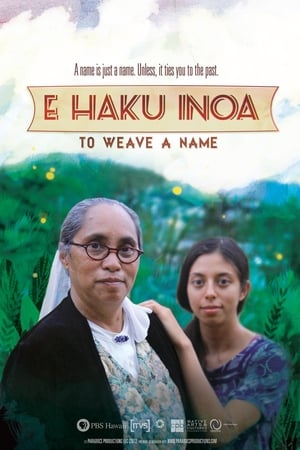
The director goes back to her roots in Pangnirtung, amongst her family and community. It leads her to another journey: to Qipisa, the outpost camp from where they were uprooted.
Pan lives two lives. During the day he is the son of a traditional Hong Kong family. But at night he transforms into the unapologetic drag queen Pansze Diva entertaining the underground of the city. Ultimately looking for acceptance by their parents, what does a death in the family change?
Bacata is the first name of Bogotá: the lady of the Andes, the mountain that lights up. It's also the name of a tower, the tallest in Colombia, never completed. From the 28th floor, Laura observes the city, its secrets and its struggles. From the 28th floor of Colombia’s tallest building—a long-awaited, still-unfinished tower block in the centre of Bogota—Laura observes the city below, its secrets and its struggles, as a colourful cast of gardeners, activists, and human statues go about their daily lives in the shadow of the country’s history.
In Mahdia, Tunisia, Maram embarks on an intimate journey through the ancestral customs that have shaped her life, exploring matrimonial traditions, and highlighting the Henna, where the bewitching songs of the Machtat resound. Tracing her childhood memories, guided by Latifa and Habiba, two prominent Machtat, she uncovers the maternal essence of tradition, where the bond between mother and bride is at the heart of these intimate celebrations.