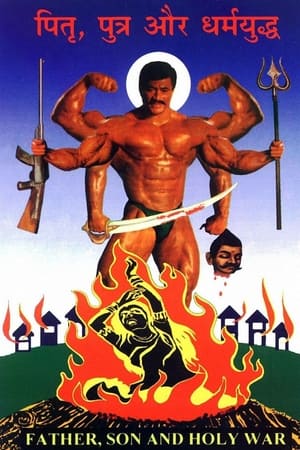
A short film that sets up an opposition between functional forms of industrial age and decorative ones from Indian tradition.
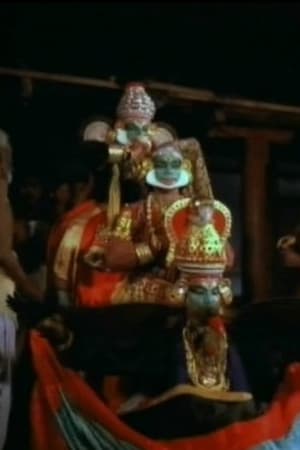
Krishnattam or Krishnanattam (Play of Krishna) is a temple ritualistic art performed at Guruvayur Temple (Guruvayur 680101, Trishshur District, Kerala) by a troupe owned by Guruvayur Devasvam. The performance of Krishnattam is based on Krishnagiti, a poetic text in Sanskrit containing verses and stanzas, written by the Zamorin King Manavedan in 1654. The story of Krishna, described in Bhagavata, Mahabharata and Harivamsha is presented in Krishnattam as songs, dance and acting in a sequence of eight plays (Avataram, Kaliyamardanam, Rasakrida, Kamsavadham, Svayamvaram, Banayuddham, Vividavadham and Svayamvaram) in eight days.
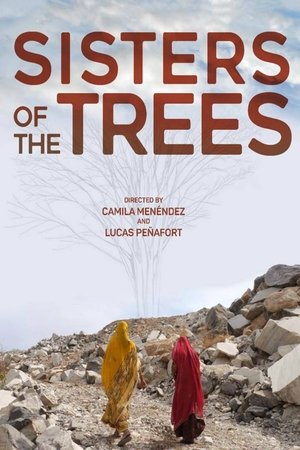
Tree planting in Rajasthan, India, has become a symbol of freedom in the middle of the desert. Families in this community have abandoned the belief that the birth of a girl is a curse.
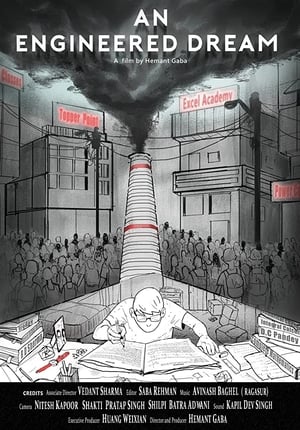
Kota, a city in North-West India famous for its coaching institutions, attracts more than 200,000 teenagers from all across the country to prepare for the undergraduate competitive exams. These students reside in cubicle sized hostel rooms and study for more than 15 hours a day for two consecutive years to crack the entrance exams for prestigious colleges that has acceptance rate of less than one percent. These students face intense insurmountable pressure from coaching institutes, peers and their families which not everyone is equipped to cope with, resulting in some students taking the extreme step of suicide.
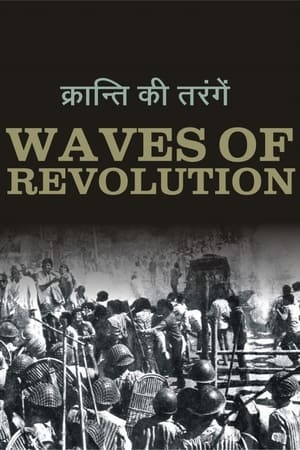
Film made during the repressive days of the Emergency in India documents the 1974-75 uprising of the people of Bihar in Eastern India.
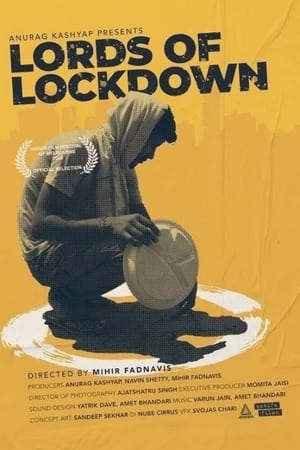
Anxious, out of work and without access to transport during the nationwide COVID-19 lockdown in 2020, migrant labourers in India’s metropolises decided to walk back home to their villages en masse. As news channels beamed heart-rending silhouettes of millions of men, women and children marching along national highways with their meagre belongings, it became plain that the lockdown had already drafted one of the most traumatic chapters in the nation's modern history.
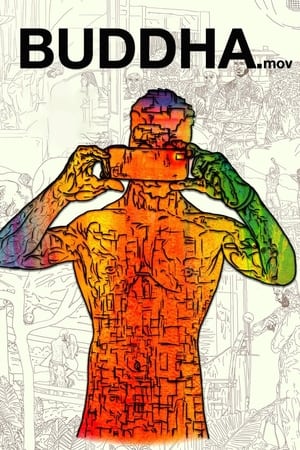
Lured by the chance of being the protagonist of a documentary film, Buddha Dev, a 27 year old flamboyant cricketer from Goa, starts authorising unrestricted access into the most private parts of his life.
Filmmaker Anand Patwardhan looks to history and psychology as he delves into the possible reasons behind the demolition of the Babri Mosque.
The local train is a sight to behold in the morning, overloaded with crowds fighting to get inside. A special compartment reserved for women appears as a temporary oasis – a haven for solitude and contemplation. Director Rebana Liz John questions the women, who reveal what it means to keep ambitions alive within an oppressive patriarchal system. Black and white imagery evocatively captures the details of the women’s experience in this world. They reflect on their lives, across generations, with humour, disappointment and defiance, forming a complex tapestry whose common ground is endurance and survival.
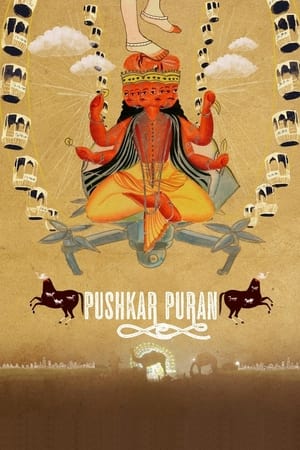
An attempt to engage with the historical, mythical and the contemporary worlds of the city of Pushkar
Struggler
Though times have changed, Ram still uses old ways of farming due to a drought in the village. His brother, Bala, goes to Bombay to earn his living. Mahadev, a Zamindar in the village, eyes Usha, the lover of Bala. Due to the drought, the crops fail in the village, and Shikh Sahib, a social worker, comes to help the farmers, and shows them new ways of farming. Ramu goes to Bombay to take a loan for cooperative farming and asks Bala to turn back to the village, but he refuses. [The film is a socio-economic study of post-independence India, blending documentary elements with narrative storytelling. The film is often described as a "simple story woven into the documentary design" and features actors like Prithviraj Kapoor and Dev Anand.]
'Mod' is an attempt by the filmmaker at communicating with the young men who hang out at the ‘notorious’ water tank in her neighbourhood in Pratap Vihar, Ghaziabad. The water tank is a space that is frequented by the so-called ‘no-gooders’ of the locality, a place where they play cricket, play cards, drink and smoke up. When she enters the space with her camera, the boys are curious and at the same time wary of it and her. They sometimes resist, sometimes protest, and at times, open up. As the film unfolds we get a hint of the lives the boys lead and the fragile world they create for themselves at the water tank.
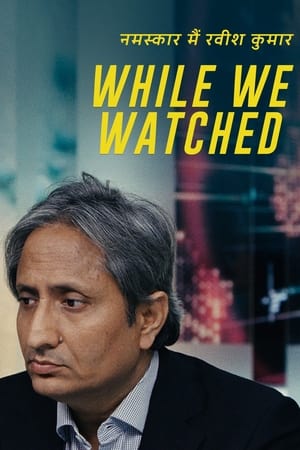
A turbulent newsroom drama that intimately chronicles the working days of broadcast journalist Ravish Kumar as he navigates a spiraling world of truth and disinformation.
In the dense forests of the Eastern Himalayas, moths are whispering something to us. In the dark of night, two curious observers shine a light on this secret universe.
A charismatic Indian-Nepali boy, lives a bohemian life in a remote Himalayan village. As he transitions from childhood to teenagehood, his poetic journey of perseverance echoes issues that span across ages and communities.
A young woman, Srishti Bakshi embarks on a monumental journey, walking almost 4000km over 240 days, from Kanyakumari in the south, to Kashmir, in the North, along the way meeting and learning first hand about the experiences of many women from all corners of India. WOMB is a poignant and heart warming documentary exploring the social and political issues faced by women of today’s India. It is a unique testament to seemingly insurmountable challenges in these unprecedented times and the everyday sheroes who are battling to overcome.
A prismatic meditation on pollution in the capital of the World’s biggest free-market democracy and the most polluted and populated city, Delhi – a film about the pollution inside of the human mind.
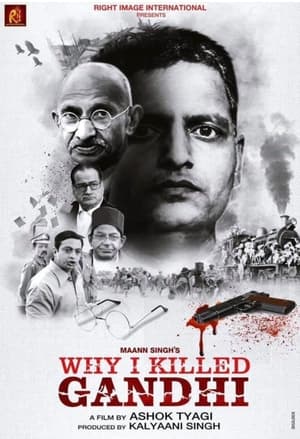
Indian freedom fighter Gandhiji was killed by Nathuram Godse. But what made Nathuram Godse to take this extreme step?
"India" developed out of my three journeys to Pune in 2001, 2002 and 2004. I arrived in a forgein country, and felt surprisingly familiar in the foreign. There in the streets, walking among the people, surrounded by their movements, their gestures, by the colors, the light, the beauty. Small things awakened my attention, sometimes only a short glimpse, a hand movement, the color of a sari, a temple hidden in a courtyard. It was like a long hot bath that I took there in Pune's streets - something unique and very beautiful.