A calling inhabits the blank pages, unfolding a secret writing of hers. The unseen written traces seep from the murmuring land, pushing through fragmented voices to become new forms, beings made material. Framed as a dialogue with my grandmother, this film explores an alternative form of personal writing by Chinese women in political shifts, absent and abundant. The 'blank' becomes an image, carrying a search for agency; of land transformed and of women unheard. By breaking down linguistic structures, the film opens a space for imagining, reading, and performing, allowing for emergence.
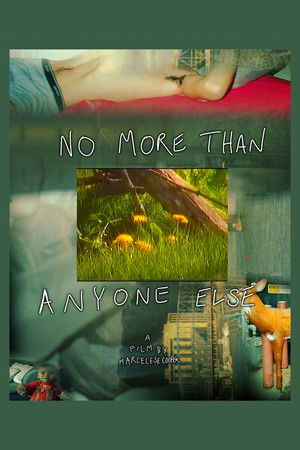
Blending candid interviews, experimental moments, and reflective narration, this 55-minute personal doc explores what it means to grow up when the people who love you also struggle to accept who you are. Through screen-recorded calls with friends, street interviews, and distant footage of everyday life, I examine my upbringing as a queer non-binary trans person—where love, expectation, and shame often coexisted—among a sea of other stories about adolescence. Anchored by a conversation with a close friend and fellow artist, the film sits in the tension between care and rejection, asking if anyone is even really special—or maybe all of us are.
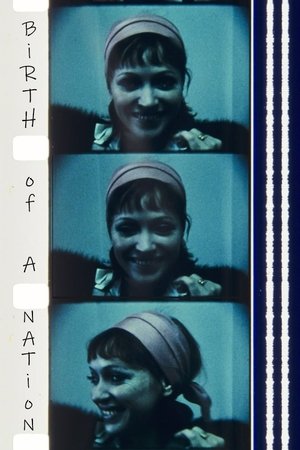
Jonas Mekas assembles 160 portraits, appearances, and fleeting sketches of underground and independent filmmakers captured between 1955 and 1996. Fast-paced and archival in spirit, the film celebrates the avant-garde as its own “nation of cinema,” a vital community existing outside the dominance of commercial film.
- The human being. The camera. The body. The machine. The face. The register. The expression. The exploration -
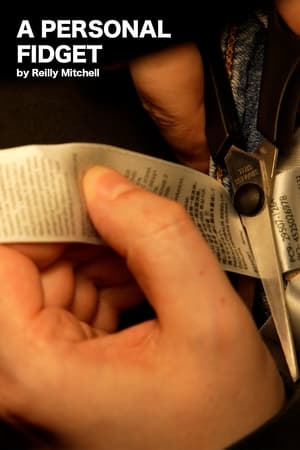
Based upon a habitual fidget of the filmmaker involving the tags in his clothing, Reilly Mitchell explores the feelings of his past by removing something that has always stayed so close to him and turning it into something new.
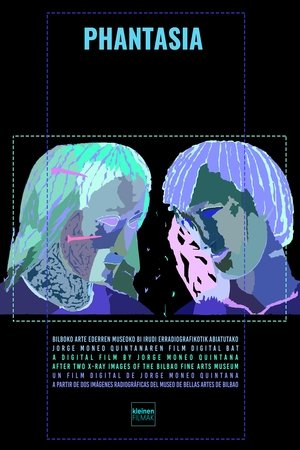
X-ray images were invented in 1895, the same year in which the Lumière brothers presented their respective invention in what today is considered to be the first cinema screening. Thus, both cinema and radiography fall within the scopic regime inaugurated by modernity. The use of X-rays on two sculptures from the Bilbao Fine Arts Museum generates images that reveal certain elements of them that would otherwise be invisible to our eyes. These images, despite being generally created for technical or scientific purposes, seem to produce a certain form of 'photogénie': they lend the radiographed objects a new appearance that lies somewhere between the material and the ethereal, endowing them with a vaporous and spectral quality. It is not by chance that physics and phantasmagoria share the term 'spectrum' in their vocabulary.
Grandma Kham, an 87 year-old-woman, lives lone and is still strong enough to burn charcoal and weed out grass. But what does she have to go through along the way? And how will she prepare for her own final moment?
A personal essay on the destructive nature of war and the traces left behind by militarism and mandatory military service. Through found footage, the film explores the personal and inherited memories, reflecting how collective pain continues to shape the present. A reflexive exploration of post-memory, where past and present traumas reverberate within the wounds of the system.
Dan and Doris both find themselves single in their 70s after their spouses of decades have passed away. After using an online dating service during the pandemic for older singles, they talk on the phone for three months and fall in love before meeting in person. Now living in Austin, Texas, and married for three years, the two wear lavish matching outfits, go out dancing several nights a week, and have an active sexual life rooted in both fantasy and intimacy. With a deep awareness of their mortality guiding their choices, Dan and Doris are not afraid to show up in the world as their true selves, disregarding cultural norms for how older people should look, love, and move through the world.
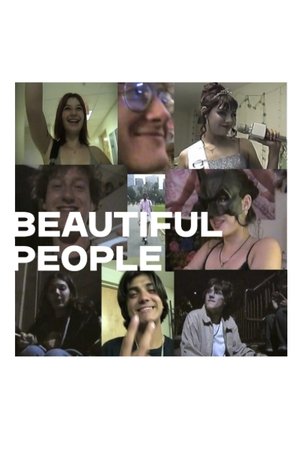
A Documentary film, following a group of friends going through their college life. with 3 months of filming starting in August 25th to November 1st 2024. most of everything was filmed in Boston. the purpose of the movie isn't to look amazing and have great story telling, but instead its meant to stamp a period in time. so that in 50 years we can look back and notice the human growth in a movie format. I hope you like the movie and thank you for watching :)
They pass each other everyday, obscured by the crowds. They will always be there, always crossing paths, alone.
Maria Lang is my very close filmmaker friend who lives in the southern german countryside. We see her gardening and visiting an exhibition of female impressionist painters.
"Are WE Beautiful?” is an exploration of the way societal views affect the Black self-image. Told through a series of interviews with real New Yorkers of different ages and gender expressions, exploring and discussing the titular question: are we beautiful?
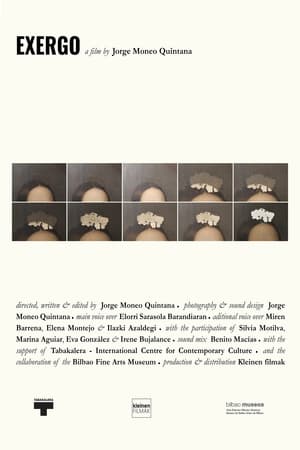
Departing from peripheral details of some paintings of the Bilbao Fine Arts Museum, a female narrator unravels several stories related to the economic, social and psychological conditions of past and current artists.
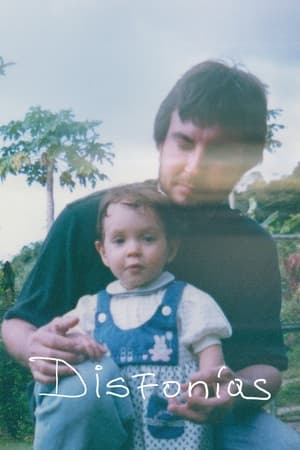
After a premonition of an unusual bird, a father loses his voice. His daughter undertakes a search to rediscover him, through an intimate narrative that explores the past, the new facets and the silences of a man who is no longer the same.
Filmmaker Jon Beaton has always felt like an outsider. When TikTok’s powerful algorithm starts sending him content from the app’s autistic community, he has an epiphany – could this explain everything? My Diagnosis explores the tension between self-diagnosis and institutional validation through an intimate blend of personal vlogs and fictionalised recreations.
In the town of Xoco, the spirit of an old villager awakens in search of its lost home. Along its journey, the ghost discovers that the town still celebrates its most important festivities, but also learns that the construction of a new commercial complex called Mítikah will threaten the existence of both the traditions and the town itself.
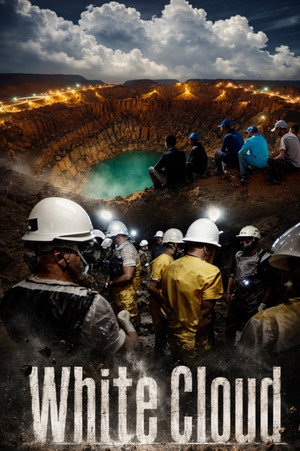
White Cloud
After consolidating itself as a tourist destination in the mid-1960s, this small coastal village has become the dormitory town for the workers of a Nuclear Power Plant. With the liberal promise of prosperity and socioeconomic wellfare, many workers left their homes to move to the small city and started working at the new Nuclear Power Plant. The collective unrest and the silence, cut off by the great gusts of wind, articulate the landscape of the village that is now under the aid of the Nuclear Power Plant.
In this experimental, self-ethnographic documentary, Tom Joslin blends breathtaking, moving snapshots from the natural world, filmic cultural touchstones, and cutting (pseudo) cinéma vérité to dissect and reassemble his gay identity despite constant warnings to stay in the closet. Blackstar sees Joslin and partner Mark Massi fleshing out their enduring commitment and obvious love for one another amidst the insecurity that a self-conscious documentary lens instills. As interviews with Joslin’s mother, father, and brothers attempt to break down the legitimacy of Joslin and Massi’s romance, the pair use everything at their disposal, including inspiration from gay revolutionaries and painfully honest conversations, to hold up their “abnormality” as a point of pride rather than shame. – Shayna Warner