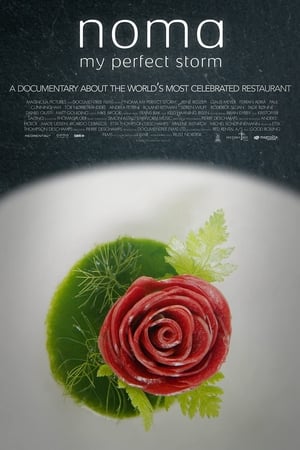
A creative journey into the unique mind of René Redzepi, chef and co-owner of Noma, voted best restaurant in the world four times.
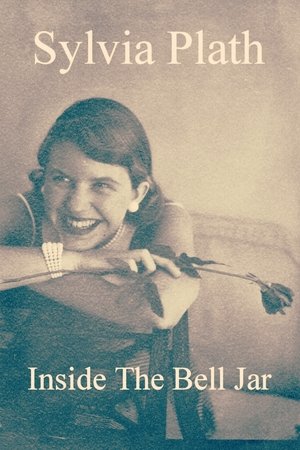
The story of the making of The Bell Jar, the unique, semi-autobiographical novel written by American writer Sylvia Plath (1932-63), published in February 1963, shortly before her death.
Bizim Hikâyemiz: 2008-2024
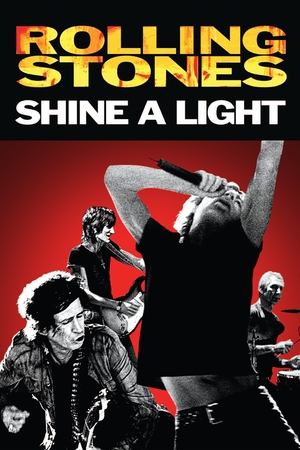
Martin Scorsese’s electrifying concert documentary captures The Rolling Stones live at New York’s Beacon Theatre during their A Bigger Bang tour. Filmed over two nights in 2006 with an all-star team of cinematographers, the film combines dynamic performances with archival footage and rare glimpses behind the scenes, offering a vibrant portrait of the band’s enduring energy and legacy.
Adolf Hitler's Nazi megalomania knew no limits. The most daring of his plans World War II involved German fighter planes crashing into Manhattan's skyscrapers as living bombs, like the Japanese kamikazes. Hitler understood the huge symbolic power of Manhattan's skyscrapers. He believed suicide bombing would have a devastating psychological impact on the American people and the U.S. war effort.
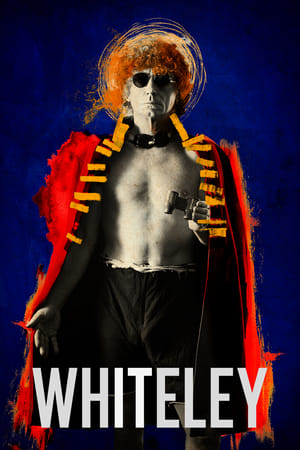
A visual journey into the life and legacy of one of Australia's most celebrated artists, Brett Whiteley.
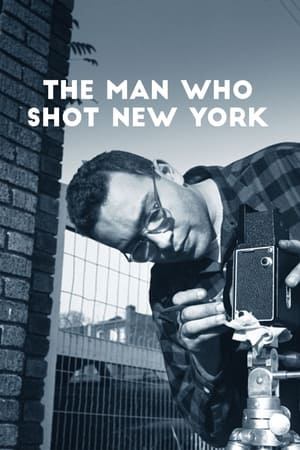
The life and work of American photographer Harold Feinstein, whose work garnered critical and commercial success. In his 2015 obituary the New York Times declared him “one of the most accomplished recorders of the American experience.” Howard Greenberg says Feinstein “ occupies high ground in the pantheon of street photography” yet, most people, have never heard of him. A prodigious talent, Feinstein photographed life in all its forms, when and where he wished. Whether this was as a draftee in the Korean War, in a Bebop infused Manhattan loft or rural hippy enclave in upstate NY, Harold’s 35mm black and white photographs captured the essence of life with a with a uniquely humanist eye. The re-discovery of Feinstein’s vast and diverse body of work came in his final years and the film meets him then; in his early 80s and with a zen-like appreciation for the life he lived.
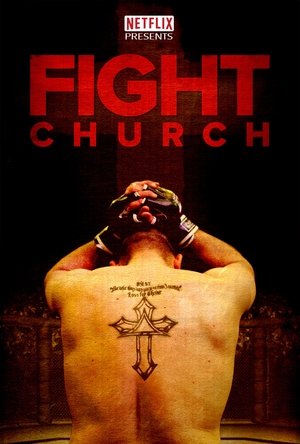
A documentary about the confluence of Christianity and mixed martial arts, including ministries which train fighters. The film follows several pastors and popular fighters in their quest to reconcile their faith with a sport that many consider violent and barbaric. Faith is tried and questions are raised. Can you really love your neighbor as yourself and then punch him in the face?
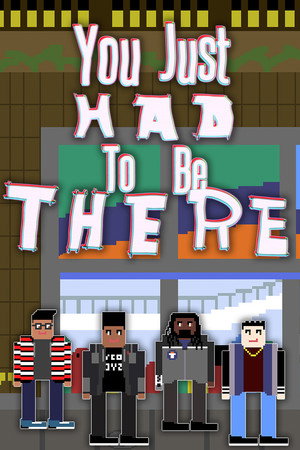
A look at the community surrounding Nintendo's New York store in the month leading up to the launch of the Nintendo Switch in 2017.
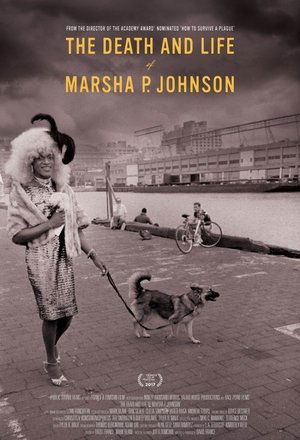
Describing herself as a 'street queen,' Johnson was a legendary fixture in New York City’s gay ghetto and a tireless voice for LGBT pride since the days of Stonewall, who along with fellow trans icon Sylvia Rivera, founded Street Transvestites Action Revolutionaries (S.T.A.R.), a trans activist group based in the heart of NYC’s Greenwich Village. Her death in 1992 was declared a suicide by the NYPD, but friends never accepted that version of events. Structured as a whodunit, with activist Victoria Cruz cast as detective and audience surrogate, The Death and Life of Marsha P. Johnson celebrates the lasting political legacy of Johnson, while seeking to finally solve the mystery of her unexplained death.
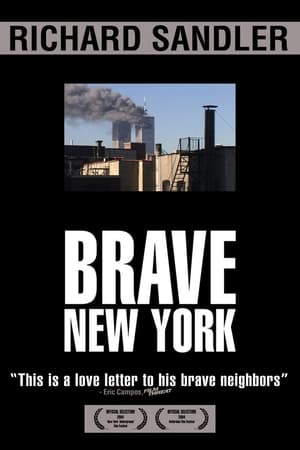
BRAVE NEW YORK is a free-form documentary that loosely chronicles the last twelve years of intense change in the East Village "hood." From the reopening of a newly curfewed Tompkins Square Park and Wigstock in '92 to the destruction of the cherished Loisaida Community Gardens, beyond the yuppie invasions of the "dot com" years to the present era, indelibly stamped with post 9/11 grief, this durable, lusty neighborhood survives in spite of a real estate gold rush that has excluded all but the well-to-do. The movie's main voices are those of the artists and street people whose wisdom and commentaries upon the dominant culture give us pause amidst the speedy approach of a "Brave New World." This Overview was taken from Fandor, where this film is available. 2004.
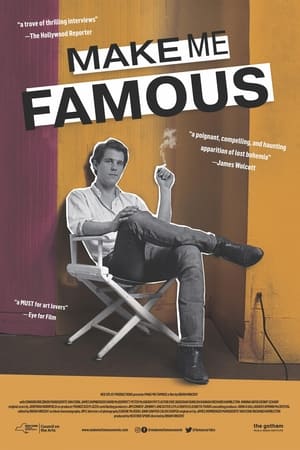
An investigation of Edward Brezinski, an ambitious, charismatic Lower East Side painter hell-bent on sucess, who thwarted his own career with antics that roiled NYC’s art elite. Brezinski’s quest for fame gives an intimate portrait of the art world’s attitude towards success and failure, fame and fortune, notoriety and erasure.
Static was filmed from a helicopter circling around the Statue of Liberty in New York Harbour. It was shot shortly after the monument was fully re-opened following the September 11th attacks. Flying alongside the statue, the camera presents us with startling close-up views of its oxidised copper surface. The continual sense of movement is disorienting, undermining its sense of permanence and stability.
A cinematic portrait of the homeless population who live permanently in the underground tunnels of New York City.
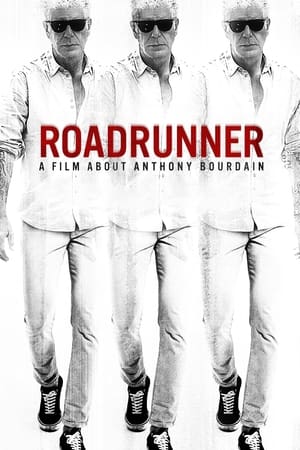
An intimate, behind-the-scenes look at how an anonymous chef became a world-renowned cultural icon. This unflinching look at Anthony Bourdain reverberates with his presence, in his own voice and in the way he indelibly impacted the world around him.
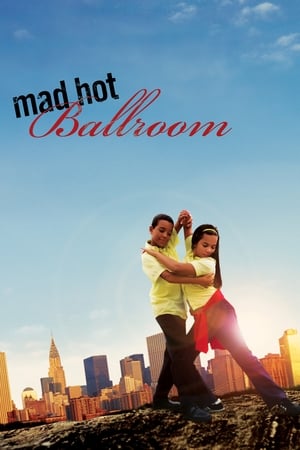
Eleven-year-old New York City public school kids journey into the world of ballroom dancing and reveal pieces of themselves and their world along the way. Told from their candid, sometimes humorous perspectives, these kids are transformed, from reluctant participants to determined competitors, from typical urban kids to "ladies and gentlemen," on their way to try to compete in the final citywide competition.
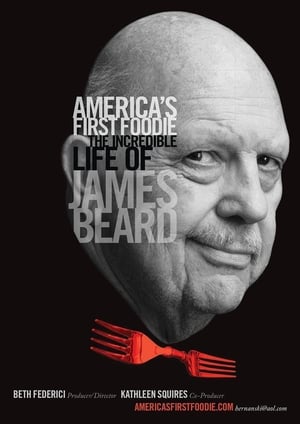
Food in the 21st century has become much more than “meat and potatoes” and canned soup casseroles.” Chefs have gained celebrity status; recipes and exotic ingredients, once impossible to find, are now just a mouse click away; and the country's major cities are better known for their gastronomy than their art galleries. This food movement can be traced back to one man: James Beard. His name graces the highest culinary honor in the American food world today—the James Beard Foundation Awards. And while chefs all around the country aspire to win a James Beard Award, often referred to as the “culinary Oscars,” many of those same chefs know very little about the man behind the medal. Respected restaurateur Drew Nieporent summed it up when he said, “Everybody knows the name James Beard. They may not know who he is, but they know the name.”
"This film explores how freedom of speech — including dissent — is afforded to all Americans, and shows freedom of expression in art, music, dance, architecture, and science. The film also emphasizes the importance of the individual’s contribution to the whole of society and demonstrates how a productive and creative society is formed by the open and respectful exchange of ideas. The film was written, produced, and directed by William Greaves" (National Archives).
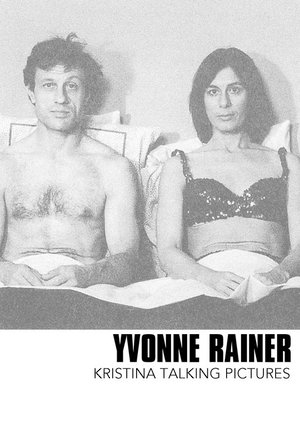
Kristina, a self-named Hungarian female lion tamer, arrives in New York to become a dance choreographer. Kristina, now a middle-class NYC artist concerned about the environment, has a sailor lover named Raoul. The film, a collage work, an essay film, a fictional narrative and a documentary all rolled into one, is one of the most important independent American feminists films made during the 1970's.
Each World Trade Center tower consisted of 110 floors. Each floor has a story. In this two-hour special, survivors from two of those floors, many speaking publicly for the first time, tell their stories. Focusing on one floor in the North Tower and one in the South, this film will provide a never-before-achieved intimacy with what it was really like to be inside the Twin Towers on 9/11.