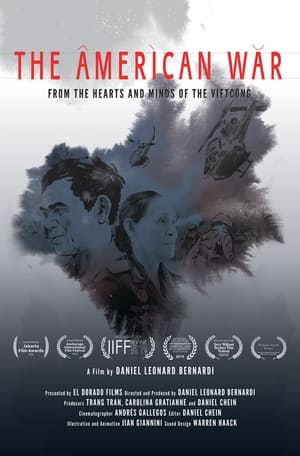
Using obscure archival footage, animated illustrations and interviews, this film tells the story of the Vietnam War from the perspective of five Vietcong veterans: a soldier, an officer, an informant, a guerilla, a My Lai survivor, and the leader of the Long Hair army.
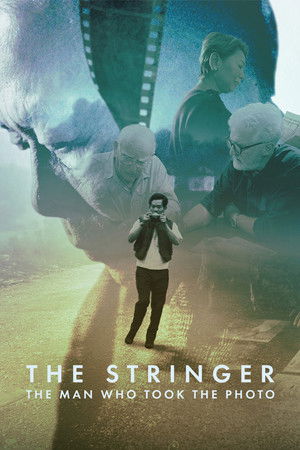
A two-year investigation uncovers a scandal behind the making of one of the most recognized photographs of the 20th century. Five decades of secrets are unraveled in the search for justice for a man known only as "the stringer."
A German Documentary about the “village of friendship” that was created by American Veteran George Mizo to help the Vietnamese kids suffering from the Vietnam War.
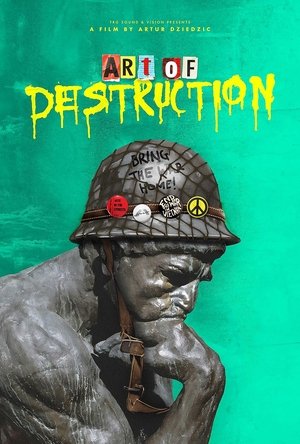
We follow the story of The Thinker bombing at the Cleveland Museum of Art, trying to solve the mystery behind it because no one was ever caught. By following this case, we unravel the whole landscape of Cleveland and the USA in the 60s/70s - student protests, social justice movements, anti-war movements, and radical militant groups. We give a context to the bombing, which is symbolic on so many levels - it's an art piece that randomly became a target for political violence that, by being left unrepaired, became a reminder of the complicated history of the 60s/70s. The Thinker is a silent witness to this fascinating decade, looking down from his pedestal, still thinking about our place in the world as humans.
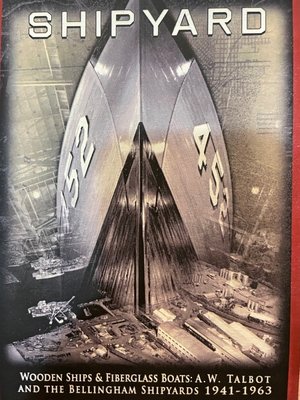
Shipyard is a landmark documentary covering the creation and life of Bellingham, Washington's wooden boat shipyard, which was built in response to the Axis threat of WWII, it's continued growth through the '50's and '60's, as well as it's innovative role in the development and production of fiberglass boats, including patrol riverboats for the Vietnam war.
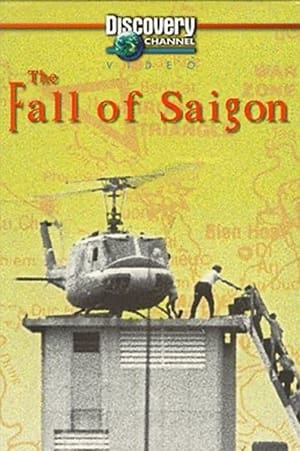
In April 1975 -- despite a ceasefire agreement -- the North Vietnamese communists took Saigon and the world by surprise, mounting an offensive that ousted the South Vietnamese government. This enlightening documentary recounts the last two years of America's military engagement in the country and the U.S. role in Saigon's fall. Interviews with former National Security Adviser Henry Kissinger and North Vietnamese officers provide context.
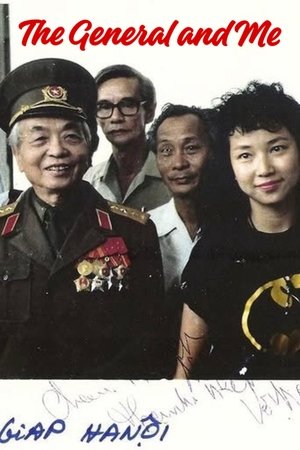
Over the period of 25 years the director met General Võ Nguyên Giáp, a legendary hero of Vietnam’s independence wars, a number of times. She was the first American who entered the home of the “Red Napoleon”. The fruit of this friendship is a film, personal and politically involved at the same time. Travelling across the country and talking to important figures as well as ordinary people, the director finds out more about her roots and offers the audience a unique perspective on Vietnam’s present and past.
From bombers to jet fighters, the United States relied heavily on its powerful air force during the Vietnam War. Through amazing archival footage, this program explores the types of U.S. aircraft used in combat and the impact they had on the war. Because the Vietnam War was the most-filmed war in history, there's plenty of excellent footage allowing viewers to experience dangerous missions almost firsthand.
This is the true story of 627 brave American young women who brought hospitality and gratitude to soldiers serving in the Vietnam War.
Short propaganda film produced by the U.S. government about the Vietnam War, narrated by actor Charlton Heston. The movie includes scenes of battle that have been identified as staged and shouldn't be interpreted as an accurate depiction of fighting during the Vietnam War. For more on the accuracy of the footage in this film see the book "The Cold War and the United States Information Agency: American Propaganda and Diplomacy, 1945-1989" by Nicholas J. Cull (pages 248-49). This film was produced by the U.S. Information Agency (USIA) and is in the public domain. National Archives Identifier: 1182760 Local Identifier: 306.5798 Accession Number: NC3-306-77-7 ARC Identifier: 1182760 https://catalog.archives.gov/id/1182760
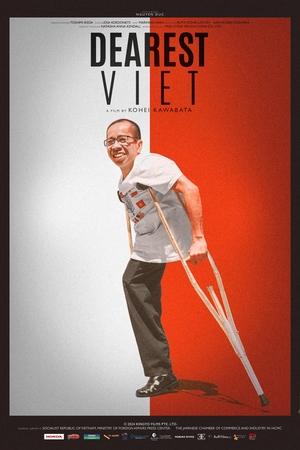
Born a conjoined twin due to the effects of Agent Orange used during the Vietnam War, Duc Nguyen, now a father and husband, seeks the truth about his past and contemplates the future.
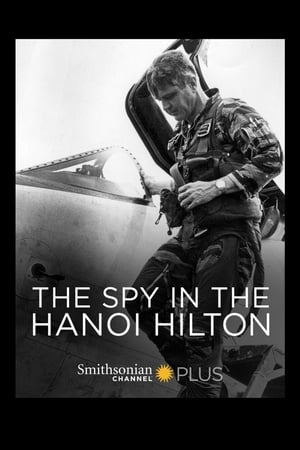
In 1973, 591 American POWs returned home from the Vietnam War, bringing with them harrowing tales of survival. But there was an even more remarkable -- and secret -- story to tell: a feat of incredible spycraft that remained classified for decades...until now. This is the unbelievable story of James Stockdale and his fellow prisoners at the notorious "Hanoi Hilton." Their clandestine communications with U.S. intelligence alerted the CIA and Pentagon to the horrors of the Vietnamese POW camps and prompted a daring, top-secret rescue mission.
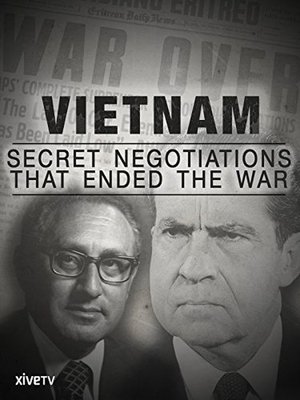
While the war raged on, Henry Kissinger, national security advisor to President Nixon, and Lê Duc Tho, member of Vietnam's Politburo, held secret meetings in France.
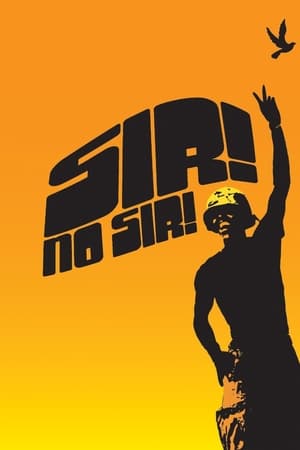
Sir! No Sir! is a documentary film about the anti-war movement within the ranks of the United States Military during the Vietnam War. It consists in part of interviews with Vietnam veterans explaining the reasons they protested the war or even defected. The film tells the story of how, from the very start of the war, there was resentment within the ranks over the difference between the conflict in Vietnam and the "good wars" that their fathers had fought. Over time, it became apparent that so many were opposed to the war that they could speak of a movement.
Hans-Dieter Grabe documents the work on board the "Helgoland", a hospital ship for the civilian victims of the Vietnam War.
1981. The shabby treatment of returning combat soldiers from Vietnam is investigated.
A portrait of the diverse opinions of Chicagoans as they reflect on the general state of affairs in America, the war in Vietnam, social and racial conflict, freedom and personal liberty, happiness, and social justice. Ratamata was made by future Tom Palazzolo collaborator Kreines when he was 16 years old, and was an award winner at the Young Chicago Filmmakers Festival.
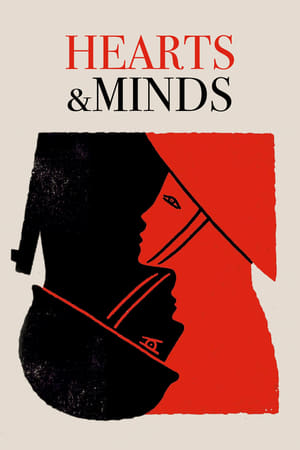
Many times during his presidency, Lyndon B. Johnson said that ultimate victory in the Vietnam War depended upon the U.S. military winning the "hearts and minds" of the Vietnamese people. Filmmaker Peter Davis uses Johnson's phrase in an ironic context in this anti-war documentary, filmed and released while the Vietnam War was still under way, juxtaposing interviews with military figures like U.S. Army Chief of Staff William C. Westmoreland with shocking scenes of violence and brutality.
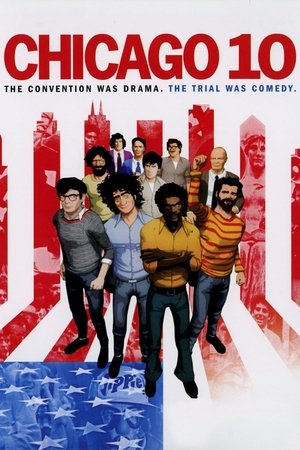
Archival footage, animation and music are used to look back at the eight anti-war protesters who were put on trial following the 1968 Democratic National Convention.
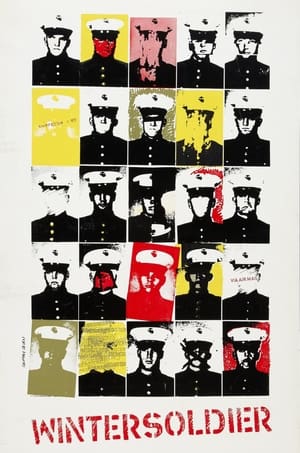
For three days in 1971, former US soldiers who were in Vietnam testify in Detroit about their war experiences. Nearly 30 speak, describing atrocities personally committed or witnessed, telling of inaccurate body counts, and recounting the process of destroying a village.