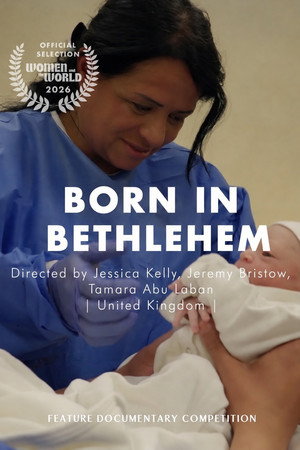
Set against the backdrop of the conflict in Gaza and Bethlehem at Christmas time, the film follows three Palestinian mothers-to-be and the staff at the busiest maternity hospital in the Occupied West Bank as they navigate pregnancy and childbirth with resilience and hope.
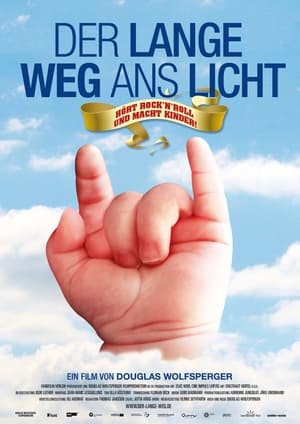
Edeltraut Hertel - a midwife caught between two worlds. She has been working as a midwife in a small village near Chemnitz for almost 20 years, supporting expectant mothers before, during and after the birth of their offspring. However, working as a midwife brings with it social problems such as a decline in birth rates and migration from the provinces. Competition for babies between birthing centers has become fierce, particularly in financial terms. Obstetrics in Tanzania, Africa, Edeltraud's second place of work, is completely different. Here, the midwife not only delivers babies, she also trains successors, carries out educational and development work and struggles with the country's cultural and social problems.
On June 11th, 1997, Philippe Kahn created the first camera phone solution to share pictures instantly on public networks. The impetus for this invention was the birth of Kahn's daughter, when he jerry-rigged a mobile phone with a digital camera and sent photos in real time. In 2016 Time Magazine included Kahn's first camera phone photo in their list of the 100 most influential photos of all time.
Alexis is a 32-year-old white woman married to Alain, an African from Rwanda. This documentary focuses on Alexis giving birth in her parents home. As her parents and great-grandmother look on, a calm mid-wife delivers ten and a half pound Jazmine. The documentary is Interspersed with interviews with Alexis, her husband, Alexis' parents, the soon to be great-grandmother and the midwife.
Go country with five corn-fed cuties from the hometowns of America's heartland.
Documentary footage from various sources, set to music. Showing the whole of human life, from birth to death and beyond.
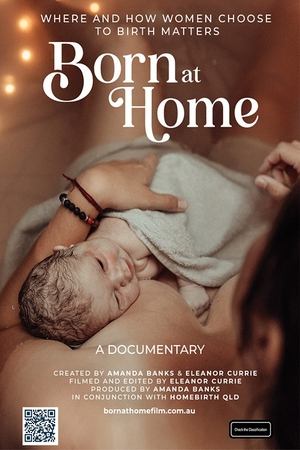
The Born at Home documentary explores and uncovers the empowering journey of homebirth, shedding light on the often overlooked and misunderstood option that has transformed lives. Born at Home dives into real stories of women navigating birth trauma and examines how a shift in environment and informed choices can reshape the birthing experience. Wisdom is shared from homebirth families, interwoven with evidence-based information from midwives, medical professionals, doulas, researchers and maternity advocates.
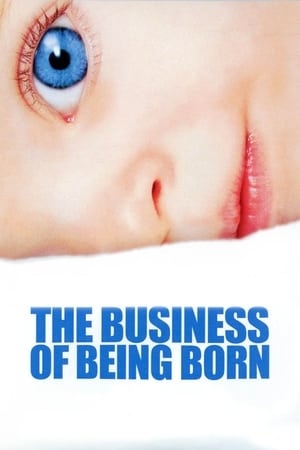
Birth: it's a miracle. A rite of passage. A natural part of life. But more than anything, birth is a business. Compelled to find answers after a disappointing birth experience with her first child, actress Ricki Lake recruits filmmaker Abby Epstein to explore the maternity care system in America
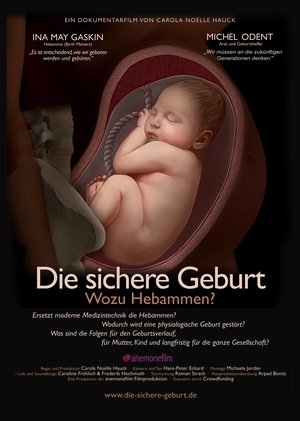
This movie charts the three most important questions regarding birth: 1. What makes a safe birth? 2. What disrupts a birth? 3. What do birth interventions mean for mother and baby, how the birth develops and even society at large?
Exploring the revitalization of traditional birthing practices in Indigenous communities across Turtle Island, the film blends personal stories of pregnancy, birth, loss, and renewal, revealing the vast and diverse experiences of women within the life-giving cycle.
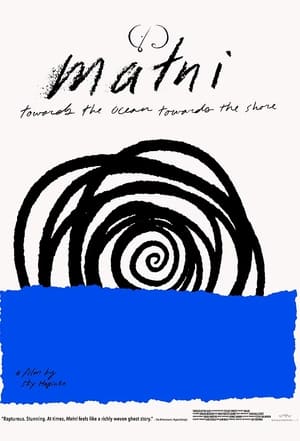
An experimental look at the origin of the death myth of the Chinookan people in the Pacific Northwest, following two people as they navigate their own relationships to the spirit world and a place in between life and death.
To understand eighteenth-century America through a woman's eyes, historian and author Laurel Thatcher Ulrich spent eight years working through Martha Ballard's massive but cryptic diary. "A Midwife's Tale" chronicles the interwoven stories of two remarkable women: an eighteenth-century midwife and healer and the twentieth-century historian who brought her words to light.
In the summer of 1998, the filmmaker went home to Takasaki to film the birth of his brother and sister-in-law's child. Days go by and the child is still to be born. With time on his hands and no one to talk to, the filmmaker finds the phone number for a telephone date club, and calls up with an earnest de- sire: I'd like to talk to a girl. While following the conventions of film-diary form, at some point the filmmaker falls into a times pace tunnel of false memory.
Featuring experts in their fields and raw and moving footage, this documentary makes a case for increased autonomy in women's choices for childbirth.
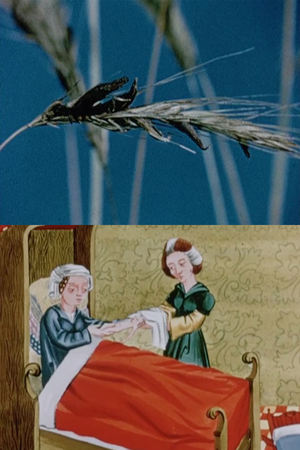
This educational film is an introduction to the ergot fungus, including lifecycle, cultivation, medicinal uses, and toxic effects. The film also summarises methods for the chemical extraction of ergoline compounds.
A short film about the joys of year-round naked swimming in the mountain lakes of Snowdonia, N.Wales.
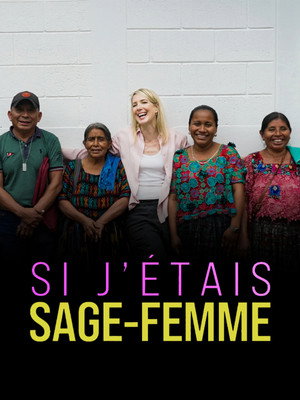
Si j'étais sage-femme
Women from widely different cultures speak out about giving birth, and about the traumas they have experienced when the birth does not go as expected.
The director’s diary told in still images of a dramatic period in which he becomes first a father and then almost loses the love of his life when his girlfriend – filmmaker Lea Glob – goes into a coma after giving birth.
Footage of various nudists around the world.