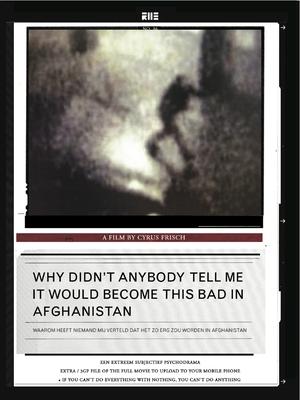
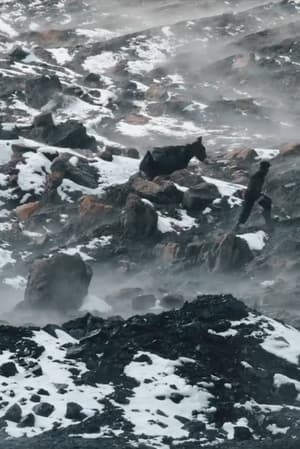
Near-silent and shot via a cell phone, a war veteran observes the world which has been colored by his experiences in Afghanistan.
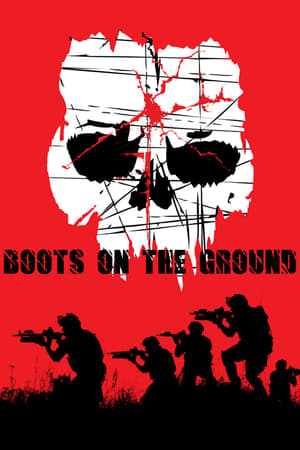
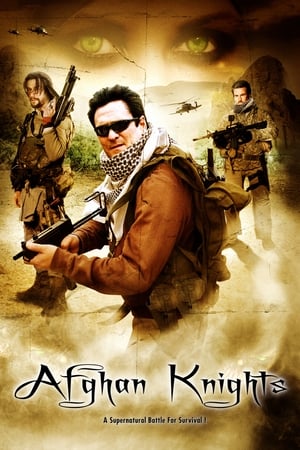
The story of five British soldiers trying to stay alive on the last night of the Afghan War, facing not just the Taliban, but also supernatural forces more terrifying than anything they've encountered before.
2012. Afghanistan. Directed by Larry Towell. 5 min. Larry Towell, who has photographed areas of conflict across the globe, closes the program with a reflection on the overseas wars that have defined the current American century, in a short film that imparts folklore and wisdom at once. Screened at the Museum of Modern Art in New York on July 1, 2017 as part of "Magnum Shorts: American Stories". Accompanies "Beyond the Frame: International Cinema by Magnum Photographers."
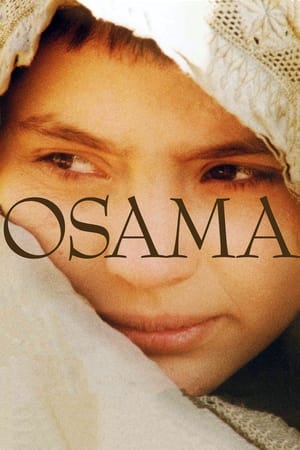
After the rise of the Taliban in Afghanistan and the restriction of women in public life, a preteen girl is forced to masquerade as a boy in order to find work to support her mother and grandmother.
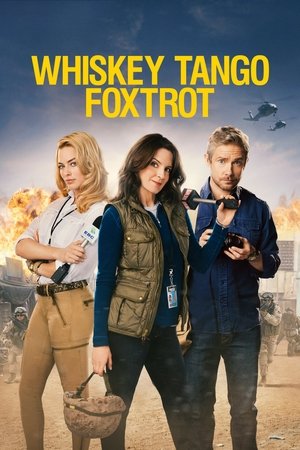
Stuck in a rut, reporter Kim Baker decides to shake things up by leaving her desk job in New York and taking a dangerous assignment in Afghanistan. Far from home and completely out of her comfort zone, a culture-shocked Kim befriends an adventurous reporter Tanya Vanderpoel, a stern Colonel, and a charming photojournalist to help her navigate this crazy new world.
A team of US Special Ops forces is dispatched to a remote mountain region of Afghanistan with orders to locate an influential Muslim cleric. While on the mission they find themselves lost in a Middle Eastern 'Bermuda Triangle' of ancient evil and faced with an enemy that none of them could have imagined.
Annie Goldson and Kay Ellmers’ doco, expanded from the film they made for Maori Television, takes a timely look at New Zealand’s military and media, notably journalist Jon Stephenson, in Afghanistan.
Photojournalist David Pratt has spent almost forty years capturing indelible images of global conflicts. His career has taken him from Somalia and Syria to Colombia and Croatia. He has retained a special affection for Afghanistan, a country he has visited through decades of changing fortunes stretching from the height of the Soviet invasion in the 1980s through the years of the mujahideen and the rise of the Taliban. Now, he returns to the places and people that have meant so much to him, providing a uniquely personal then and now document of Afghanistan life.
The story of a country that is obliged to give up on its future... The documentary pictures the town of Tor famous for its coal mines located in the north of Afghanistan, which most of us haven’t even heard of, and the tragedy of the children that are obliged to work there.
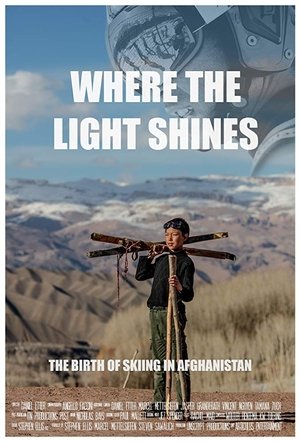
When two men compete to qualify in the Winter Olympics for the first time for Afghanistan, they realize that home is worth fighting for. In their wake they leave a passion for skiing and a hope for a brighter future. Where the Light Shines is the debut documentary from Pulitzer Prize-winning photographer Daniel Etter with stunning cinematography by Angello Faccini. It is produced by Academy Award nominees Marcel Mettelsiefen and Stephen Ellis along with Steven Sawalich from Articulus Entertainment. Filmed over four years, Where the Light Shines paints an intimate portrait of life in Afghanistan and shows the difficulties of trying to create change in a country that for generations has only seen war.
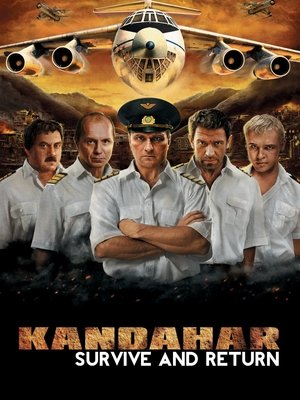
A docudrama about the escape of Russian pilots after being taken hostage by the Taliban in 1996.
The mission: Capture US and NATO forces on camera giving food, water, clothing, blankets, and medical supplies to widows and orphans in refugee camps and villages of Afghanistan.
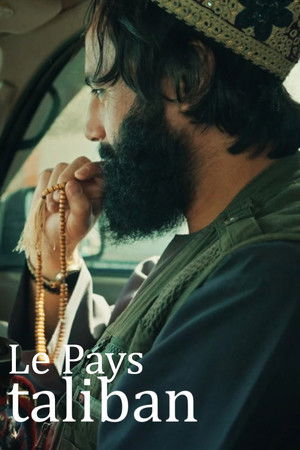
Almost five years after their return to power, a new era has dawned under the yoke of the Taliban, an inflexible fundamentalist regime. Under their rule, the former republic has disappeared, replaced by an ultra-rigid power structure closed off from the rest of the world and the foreign press. An "Islamic Emirate of Afghanistan", largely unrecognised, even by Islamic theocracies. After four shoots, mainly carried out outside the official framework, "The Taliban Country" offers a glimpse into the heart of this new Afghan reality. Through the eyes of the men and women facing these upheavals, the film paints a portrait of a paradoxical and radical system. It offers an in-depth look at the workings of a state characterised by extreme rigour, unparalleled in the contemporary world.
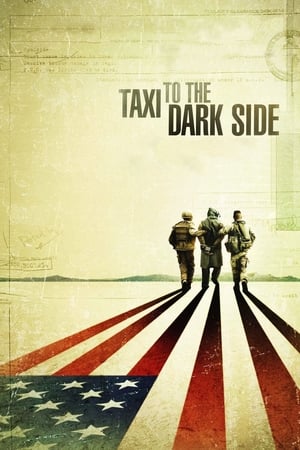
An in-depth look at the torture practices of the United States in Afghanistan, Iraq and Guantanamo Bay, focusing on an innocent taxi driver in Afghanistan who was tortured and killed in 2002.
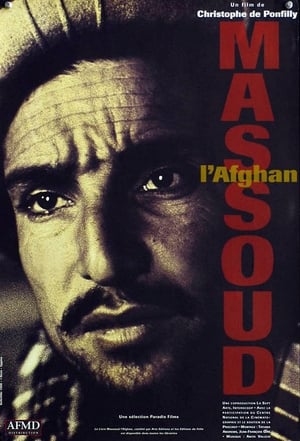
The friendship between Christophe de Ponfilly and Commander Massoud, a legendary figure of the Afghan resistance against the Soviet invader, goes back to the filmmaker's first film, "A Valley Against an Empire", made in 1981. Fifteen years later, weakened, isolated, betrayed by many of his own, the "Lion of Panshir" has not surrendered to his new and implacable enemies, the Taliban. While preparing his next offensive, he evokes his commitment and his fights, and bears witness to a history in which he has been one of the main actors for twenty years. At the same time, the director questions the role and power of the media, as well as his own approach as a filmmaker. Commander Massoud was killed in an attack in September 2001.
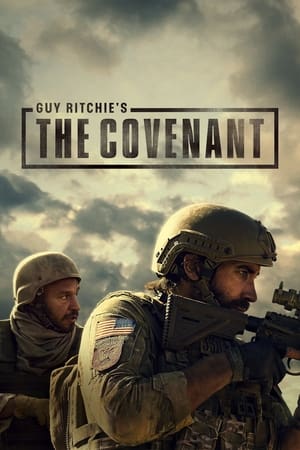
After an ambush, Afghan interpreter Ahmed goes to Herculean lengths to save US Army Sergeant John Kinley's life. When Kinley learns that Ahmed and his family were not given safe passage to America as promised, he must return to the war zone and repay his debt.
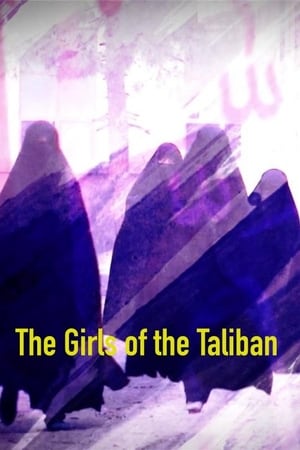
An insight into a girls' school in Afghanistan which imposes an even stricter interpretation of Islam than the Taliban.
Haunted by the fact that he left a man behind in Afghanistan, a soldier (Bacic) pulls together a special task force to save his comrade.
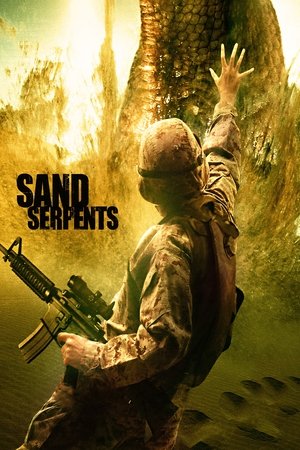
Jason Gedrick and a small group of Marines are stranded in the remote Afghan desert. But it ain't the Taliban that's worrying them, it's these giant refugees from Tremors. In fact the big worms prove to be an ally of sorts by doing better against the Taliban than themselves but battling these enemies is something not covered in their training.
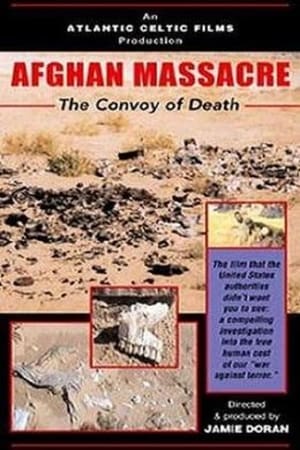
Explores U.S. Special Forces role in the massacre of about 3,000 unarmed Taliban prisoners of war in Afghanistan from the battle of Mazar-e-Sharif by Northern Alliance soldiers.