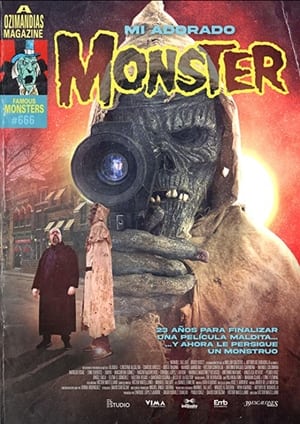
In the late sixties, Spanish cinema began to produce a huge amount of horror genre films: international markets were opened, the production was continuous, a small star-system was created, as well as a solid group of specialized directors. Although foreign trends were imitated, Spanish horror offered a particular approach to sex, blood and violence. It was an extremely unusual artistic movement in Franco's Spain.
This documentary is a detailed look into the making of PET SEMATARY, one of the most enduring cult-horror classics of our generation.
An extensive look at the making of Fright Night (1985) and Fright Night Part 2 (1988) featuring exclusive interviews with cast and crew members, rare photographs, behind-the-scenes footage and more.
A student's increasingly intimate line of questioning causes his interview with a local horror host to take a vulnerable turn.
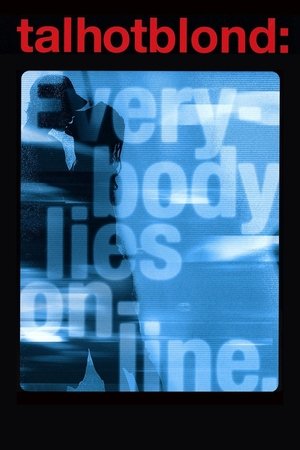
This is the true story of a love triangle that takes place entirely online. Lies lead to murder in real life, as a teenage vixen (screen name 'talhotblond') lures men into her web. Revealing a shocking true crime story that shows the Internet's power to unleash our most dangerous fantasies.
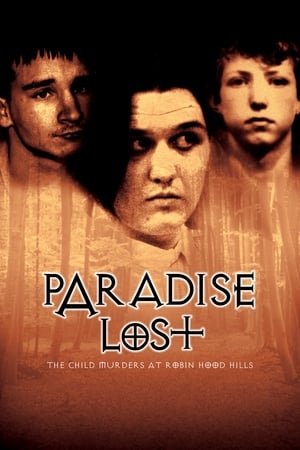
A horrific triple child murder leads to an indictment and trial of three nonconformist boys based on questionable evidence.
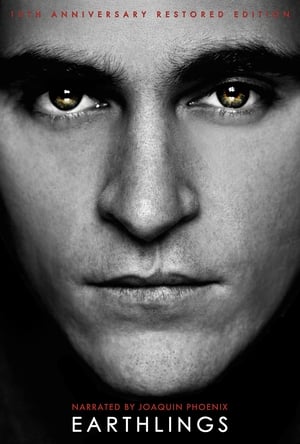
Using hidden cameras and never-before-seen footage, Earthlings chronicles the day-to-day practices of the largest industries in the world, all of which rely entirely on animals for profit.
Forrest J. Ackerman styles himself as the number-one fan of science fiction and horror movies, and he has the collection to back it up: more than 350,000 books, publicity stills, lobby cards, props, posters and paintings related to his obsession.
Documentary from Kiwi filmmaker Florian Habicht on the most successful haunted attraction in the Southern Hemisphere, Auckland’s Spookers.
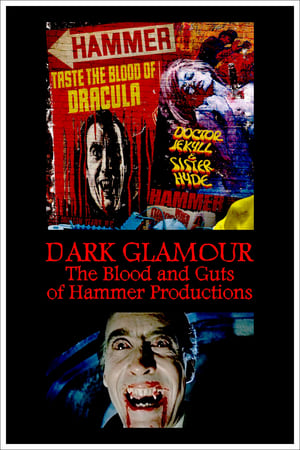
The greatness, fall and renaissance of Hammer, the flagship company of British popular cinema, mainly from 1955 to 1968. Tortured women and sadistic monsters populated oppressive scenarios in provocative productions that shocked censorship and disgusted critics but fascinated the public. Movies in which horror was shown in offensive colors: dreadful stories, told without prejudices, that offered fear, blood, sex and stunning performances.
Using testimonies by pioneers and witnesses of the times, delve into the feverish visual culture the media generated – with far-fetched examples of canine television games, seduction manuals, aerobics class while holding a baby, among others.
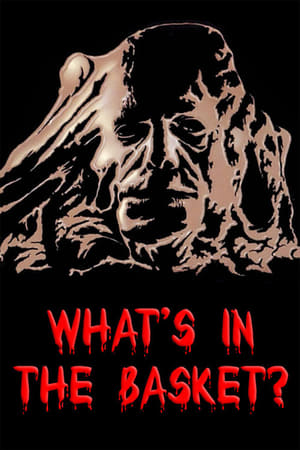
A documentary on the making of Frank Henenlotter's Basket Case trilogy.
At 15 years old, Kyle Kuchta went to his first horror convention. Years later, he visits multiple cons to understand why these gatherings are so important to horror fans, vendors and celebrity guests.
Horror fan Tal Zimerman examines the psychology of horror around the world to find out why people love to be scared.
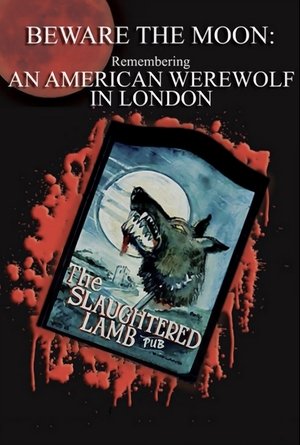
Host Paul Davis takes a trip through some of the iconic backdrops of John Landis' 1981 werewolf classic An American Werewolf In London. The original cast and crew tell the story of how the film was made over a quarter of a century ago featuring rare footage and never before seen photos.
A look at the works and life of the late, great Don Dohler.
A brief documentary about Cronenberg made by the BBC to precede a showing of 'Videodrome' on television.
A behind-the-scenes retrospective made for the twenty-fifth anniversary of the classic horror film, The Exorcist. Includes interviews with Linda Blair and the other stars of the film, along with commentary from the director and writer on some of the deeper meanings behind the elements they used to terrify their audiences, and previously unreleased footage including make-up tests and deleted scenes.
An early example of ultra-realism, this movie contrasts the quiet, bucolic life in the outskirts of Paris with the harsh, gory conditions inside the nearby slaughterhouses. Describes the fate of the animals and that of the workers in graphic detail.
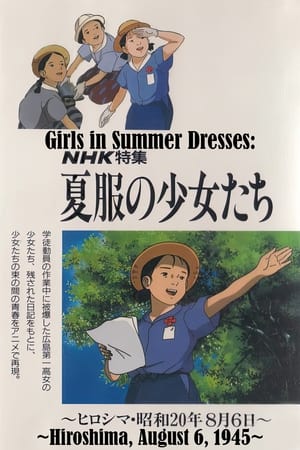
In 1945, the second- and third-year students of a Hiroshima girls' school are taken away to work in war factories. The remaining 220 girls of the first year try to make the best of their new-found status as the only teenagers in an almost deserted town, even amid the deprivations of wartime. On the seventh of August, an American bomber changes their lives forever. Broadcast on the 43rd anniversary of Hiroshima in memory of "the girls who lost their lives to the atom bomb." (Source: Anime Encyclopedia)