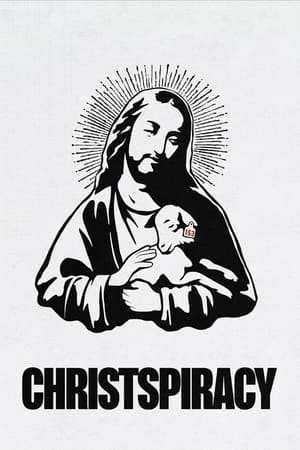
The moral dimension of humanity's interaction with nonhuman animals and the industries that profit from their exploitation, as informed by world religions. A historical explanation of how the current global situation came to be.
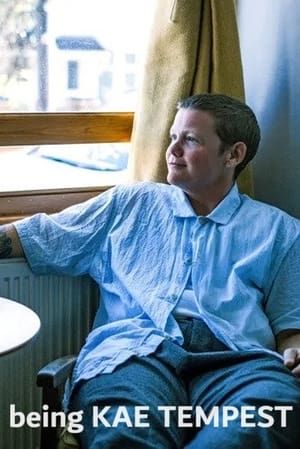
Poet, rapper, playwright and recording artist Kae Tempest is one of the most viscerally exciting artists working in Britain today. They are the youngest ever recipient of the prestigious Ted Hughes prize and have been nominated for both the Brit and Mercury music awards. Tempest has always found support and respect within the queer art scenes, a place close to their heart. In July 2020, they came out as non-binary, announcing that they would publish and perform under the name Kae. This film delves deep into their creative process and gains rare, intimate insights into Kae’s life throughout a period of profound personal and artistic change.
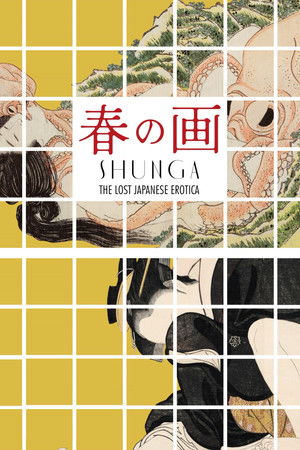
In the foundation of the culture of Japanese MANGA and animation, there lies the humor filled art form, shunga. Shunga is a type of Japanese art by famous ukiyo-e artists of the Edo Period, such as Utamaro, Hokusai, and Kiyonaga, but the artform’s development was thwarted by social norms that tabooed sex. The film Introduces the world of shunga through enthusiasts - collectors, curators, and scholars, including Andrew Gerstle who inspired The British Museum’s historical shunga exhibition in 2013 and Michael Fornitz who owns an auction house in Denmark. Exploring the significance of shunga by analyzing it from historical, cultural, artistic and contemporary female points of view.
Poème Électronique is an 8-minute piece of electronic music by composer Edgard Varèse, written for the Philips Pavilion at the 1958 Brussels World’s Fair. The Philips corporation commissioned Le Corbusier to design the pavilion, which was intended as a showcase of their engineering progress. The pavilion was shaped like a stomach, with a narrow entrance and exit on either side of a large central space. As the audience entered and exited the pavilion, the electronic composition Concret PH by Iannis Xenakis (who also acted as Le Corbusier's architectural assistant for the pavilion's design) was heard. Poème électronique was synchronized to a film of black and white photographs selected by Le Corbusier which touched on vague themes of human existence.
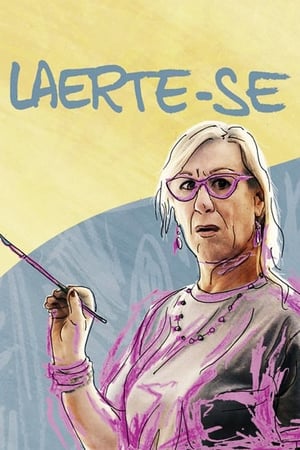
In this film, Laerte conjugates the body in the feminine, and scrutinizes concepts and prejudices. Not in search of an identity, but in search of un-identities. Laerte creates and sends creatures to face reality in the fictional world of comic strips as a vanguard of the self. And, on the streets, the one who becomes the fiction of a real character. Laerte, of all the bodies, and of none, complicates all binaries. In following Laerte, this documentary chooses to clothe the nudity beyond the skin we inhabit.
Considerations on collage as a cognitive act in artists’ cinema. A pedagogical film adrift: 35mm photographs and other materials collected over the last fifteen years by artist Stefano Miraglia meet a text written by Baptiste Jopeck and the voice of Margaux Guillemard.
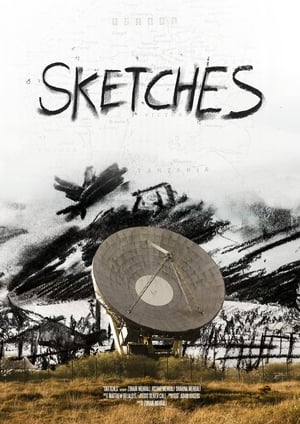
A British artist misses his parents' wedding anniversary for a last-minute sketching commission in Cornwall, but memories of them affect his work along the way.
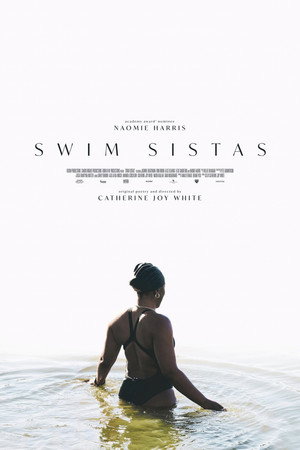
Swim Sistas follows the swimming journeys of three very different Black girls/women as barriers are broken down in the water.
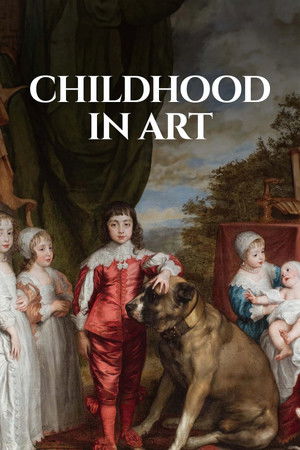
How have the changing views on children been reflected in their representation in art? From Baby Jesus to the first photographic portraits, an exploration of six centuries of art history through the prism of childhood.
Vízie z Inferna-umenie proti zabúdaniu
The film is a documentary record of the passed stage of the life of the creative association "Buryatsky Underground" ("BATO") for 6 years of its existence.
One of Europe’s leading adventure photographers, Hamish Frost lives twin lives. This film explores the side of himself he has kept hidden from the outdoor community. A story of confidence and connection and a reminder of the importance of diversity in the great outdoors.
Following the death of her brother, filmmaker Robie Flores returns to her hometown Eagle Pass on the Texas/Mexico border, wanting to turn back time. She collides with unruly experiences of adolescence – quinceañeras, Rio Grande river excursions, teen makeovers and beyond – that invite her to soak up the details of the home her brother adored and she ignored. What emerges is a playful dance between a personal and collective coming-of-age portrait of kids on the border and Robie herself as she rediscovers the possibilities of joy in the aftermath of grief.
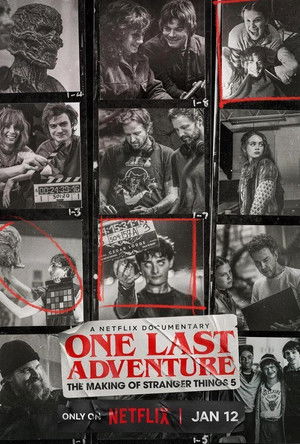
An inside look at the years of effort and craft that went into the final installment of the Duffer Brothers' generation-defining series.
This MGM Passing Parade series short takes a look at changing definitions of art in the United States.
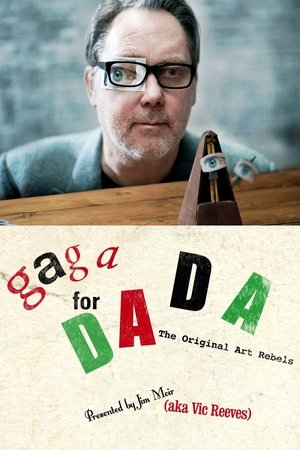
To celebrate the 100th anniversary of the birth of the surreal art movement, comedian Jim Moir (a.k.a. Vic Reeves) presents this documentary exploring the history of Dadism and the lasting influence it has had on himself and others.
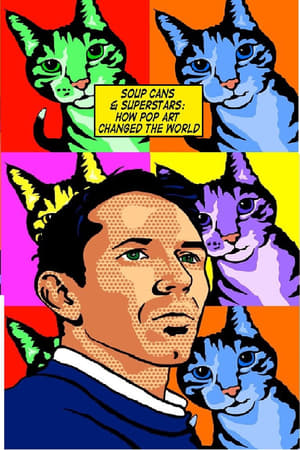
Alastair Sooke champions pop art as one of the most important art forms of the twentieth century, peeling back pop's frothy, ironic surface to reveal an art style full of subversive wit and radical ideas. In charting its story, Alastair brings a fresh eye to the work of pop art superstars Andy Warhol and Roy Lichtenstein and tracks down pop's pioneers, from American artists like James Rosenquist, Claes Oldenburg and Ed Ruscha to British godfathers Peter Blake and Allen Jones. Alastair also explores how pop's fascination with celebrity, advertising and the mass media was part of a global art movement, and he travels to China to discover how a new generation of artists are reinventing pop art's satirical, political edge for the 21st century.
A one-frame long experimental short film from Yugoslavia.
A group of artists settle in a swamp on the banks of the Indre River. Meanwhile, a voice describes a utopian world.
The first part of the documentary about the work of the Czech painter Mikoláš Alš called "The Song of Life", which focuses on the part of his work that draws its themes from life in the village.