In this short film, in search of a cinematic grammar more in tune with Creole imaginary and oral tradition, we follow Ondine's quest. She returns to La Réunion after an absence of four years, because her Pépé, a local zarboutan, is dying. Just as she has to say goodbye, Ondine has a strange encounter in a pond.
Vers la seconde abolition de l'esclavage dans les colonies françaises de 1802 à 1848
La Liberté générale : chroniques de la 1ère abolition de l'esclavage 1794-1802
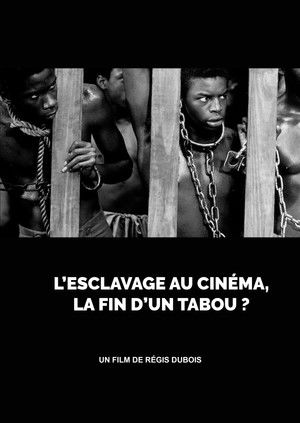
L’esclavage au cinéma, la fin d’un tabou ?
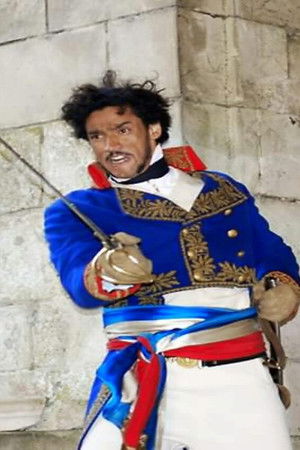
Le Diable noir
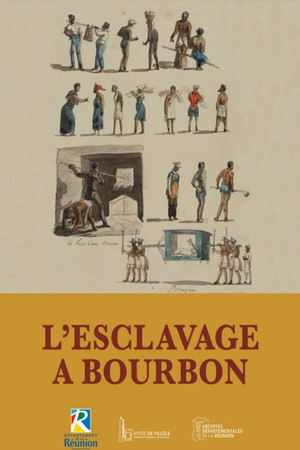
L'esclavage à Bourbon
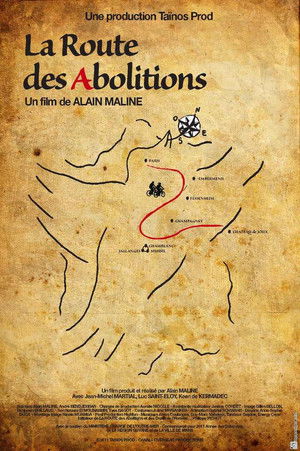
La Route des abolitions
10 mai Africaphonie
Terre marronne
Los Palenqueros du Pacifique colombien : cinq siècles de solitude
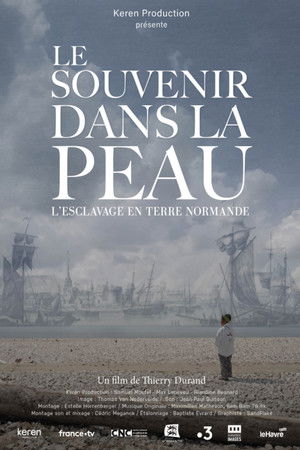
Le souvenir dans la peau, esclavage en terre normande
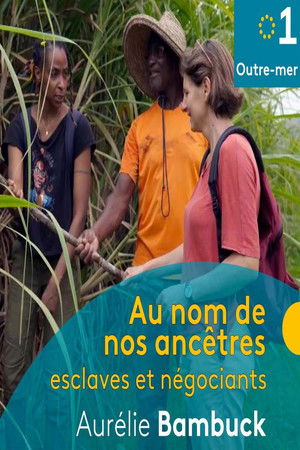
Au nom de nos ancêtres, esclaves et négociants
Ne suis-je pas ton frère ? La Société des Amis des Noirs 1788-1794
March 1945, on the frontlines of the Tatra Mountains, Romanian and German soldiers prepare for battle, bound by the same hidden fear. In the chaos of combat, beyond bullets and grenades, a harsh truth emerges: in war, they are all just humans.
Yoshito Hiruma (31) (played by Amane Okayama), a part-time university lecturer, is forced to take care of his 10-year-old nephew, Kota, after being left in charge by his pregnant sister. However, before long, Kota disappears. When Yoshito finally manages to find him, he discovers that Kota has become disillusioned with reality and cryptically expresses his desire to “go somewhere else, anywhere but here.” Yoshito resonates with his words, and as their bond deepens, they delve further into Yoshito’s field of expertise—pessimism. Together, they embark on an unusual cohabitation, finding a peculiar sense of enjoyment in their shared pessimism. But eventually, the worst tragedy imaginable befalls each of them.