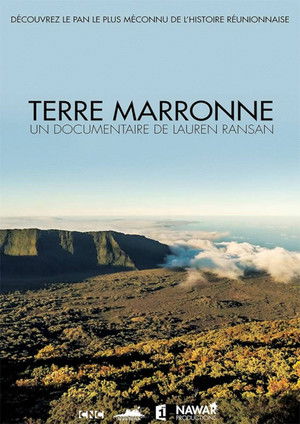
Terre marronne
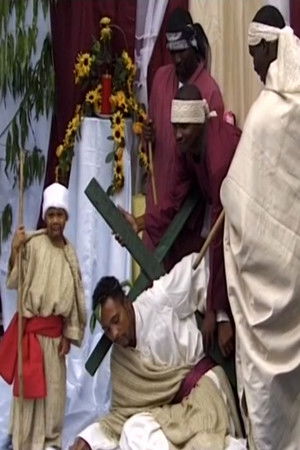
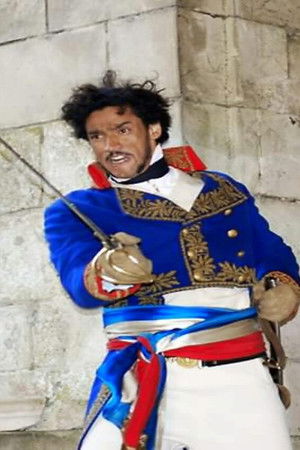
Le Diable noir
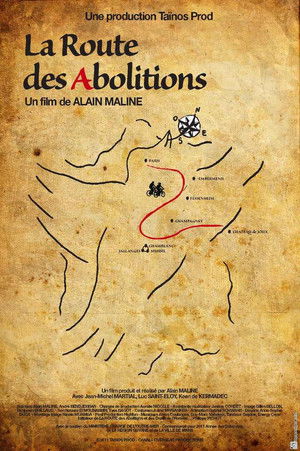
La Route des abolitions
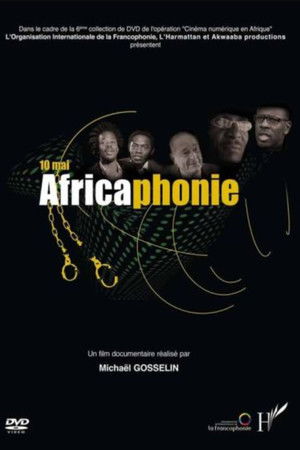
10 mai Africaphonie
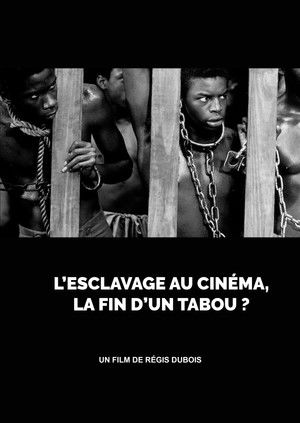
L’esclavage au cinéma, la fin d’un tabou ?
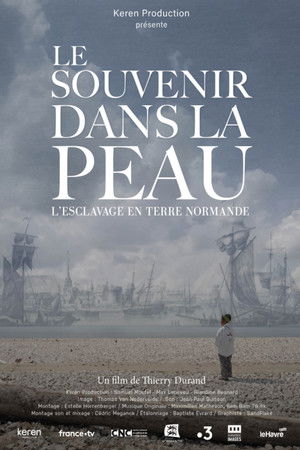
Le souvenir dans la peau, esclavage en terre normande
Los Palenqueros du Pacifique colombien : cinq siècles de solitude
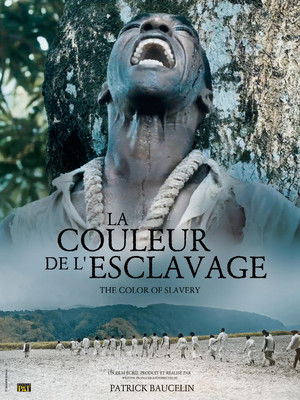
La Couleur de l'esclavage
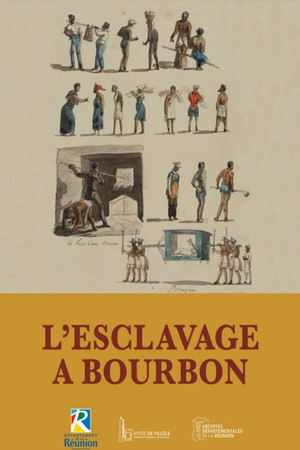
L'esclavage à Bourbon
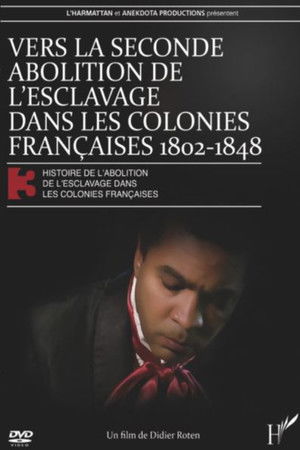
Vers la seconde abolition de l'esclavage dans les colonies françaises de 1802 à 1848
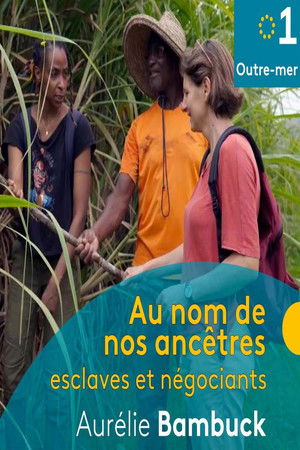
Au nom de nos ancêtres, esclaves et négociants
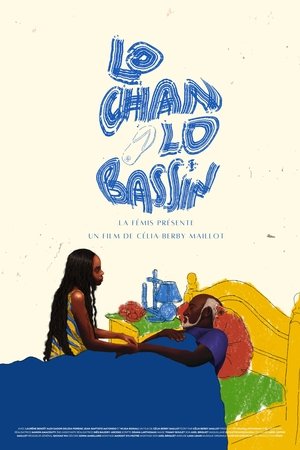
In this short film, in search of a cinematic grammar more in tune with Creole imaginary and oral tradition, we follow Ondine's quest. She returns to La Réunion after an absence of four years, because her Pépé, a local zarboutan, is dying. Just as she has to say goodbye, Ondine has a strange encounter in a pond.
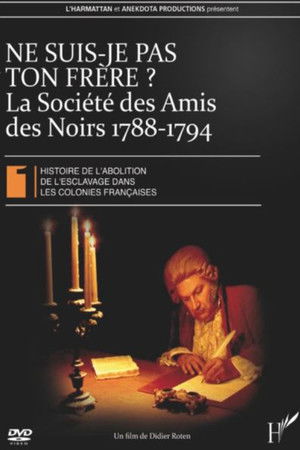
Ne suis-je pas ton frère ? La Société des Amis des Noirs 1788-1794
Inspired by Thomas Merton's poem, ORIGINAL CHILD BOMB shows the human cost of nuclear weapons. The bombings of Hiroshima and Nagasaki are depicted through declassified footage, photographs, drawings and testimonies of mothers, brothers and soldiers. Ordinary people gaze upon the nuclear past and its terrifying present.
It is a simple story with a deep meaning. When the beautiful chanteuse Hung (Law Yim-hing) is forced to marry Commander Lau (Lau Hark-suen), her brother (Cheng Wai-sum) interferes but is brutally beaten to death. Hung also falls to her death when she tries to escape. The siblings are only hastily buried in a coffin home, which is haunted soon afterwards. Hung's lover Wong (Wong Chiu-mo) later sneaks into the haunted house hoping to see her for one last time; Lau, meanwhile, insists on inspecting the coffin home and the corpses to prove that ghosts do not exist…The film creates an eerie and uncanny atmosphere with its well-designed camera angles, sound and editing. The haunting looks of the two ghost characters are a nod to Hong Kong's typically told horror stories.
A promotional short on the movie Dirty Harry (1971) , which compares it to such classics as 'G' Men (1935) or The Big Sleep (1946) focusing on the toughness of those movies' main characters.
HIV+ youth bravely share their stories and battle stigma in this compelling documentary.
Madison Park Vocational, Roxbury, Massachusetts. A dysfunctional but talented high school hoops team tries to hold itself together. Graced with a handful of sharp shooters and savvy ball-handlers, they also struggle, both on and off the court, in a deteriorating public school system and the turbulence of life in the Boston inner city: rival gangs, a chilling murder rate, destructive families, and the struggle to stay in school and on the team. Closing in on the end of the season, the team has a shot at a state championship and an undefeated season for the first time in history.
Since the 1960's, journalists, scholars and filmmakers have been examining the Rastafarian movement in an attempt to explain its origins and its core beliefs. RasTa: A Soul's Journey, tells the story of the journey of Rita and Bob Marley's granddaughter's, Donisha Prendergast, to eight countries -- United States, United Kingdom, South Africa, India, Israel, Canada and Jamaica and Ethiopia -- to explore the roots, evolution and impact of Rastafari.
In this film, best-selling author and award-winning filmmaker Philip Gardiner, goes on an amazing journey into the heart of the timeless tale of the Hooded Man. He travels back thousands of years and unlocks the mystery and the myth. This film was shot on location in Sherwood Forest, England which is the very same place that Robin Hood and his band are said to have called their headquarters. Gardiner is joined by a cast of real life outlaws including the present day Robin Hood and Maid Marion.