It's the musical phenomenon of the moment: K-Pop, short for "Korean Pop," has taken the world by storm in just a few years. But behind the powerful lyrics, elaborate choreography, and polished looks lies a ruthless industry.
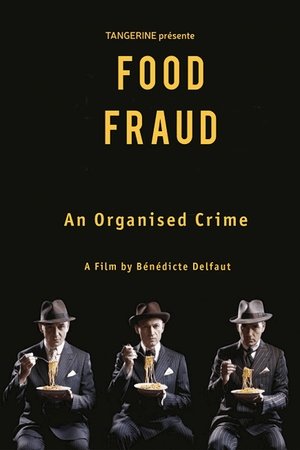
All food can be adulterated. More discreet than a drug cartel, more elusive than arms dealers, criminals have taken over food. Olive oil, fish, meat, spices, no department escapes their juicy traffic. A jackpot estimated in Europe at 30 billion euros enriches a new kind of mafia every year. Organized crime is selling altered products in restaurants, supermarkets and all food shops in the European Union. Their secret is to replace an ingredient with a cheaper one. Who are these new traffickers? What are their methods of operation?
Startups are using AI to create avatars that allow relatives to talk with their loved ones after they have died. An exploration of a profound human desire and the consequences of turning the dream of immortality into a product.
Plastique, la menace toxique
The moral dimension of humanity's interaction with nonhuman animals and the industries that profit from their exploitation, as informed by world religions. A historical explanation of how the current global situation came to be.
With his industry on lockdown and no end in sight, Toronto chef Luke Donato tries to keep his culinary passion alive during the COVID-19 pandemic - even if it means teaching a group of misfits online.
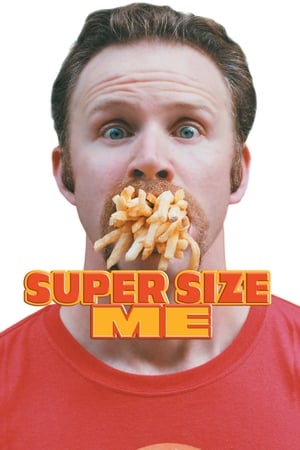
Morgan Spurlock subjects himself to a diet based only on McDonald's fast food three times a day for thirty days without exercising to try to prove why so many Americans are fat or obese. He submits himself to a complete check-up by three doctors, comparing his weight along the way, resulting in a scary conclusion.
Inside Lego: le monde de la petite brique
Documentary filmmaker Robert Kenner examines how mammoth corporations have taken over all aspects of the food chain in the United States, from the farms where our food is grown to the chain restaurants and supermarkets where it's sold. Narrated by author and activist Eric Schlosser, the film features interviews with average Americans about their dietary habits, commentary from food experts like Michael Pollan and unsettling footage shot inside large-scale animal processing plants.
Energía gris
Carbón
Food in the 21st century has become much more than “meat and potatoes” and canned soup casseroles.” Chefs have gained celebrity status; recipes and exotic ingredients, once impossible to find, are now just a mouse click away; and the country's major cities are better known for their gastronomy than their art galleries. This food movement can be traced back to one man: James Beard. His name graces the highest culinary honor in the American food world today—the James Beard Foundation Awards. And while chefs all around the country aspire to win a James Beard Award, often referred to as the “culinary Oscars,” many of those same chefs know very little about the man behind the medal. Respected restaurateur Drew Nieporent summed it up when he said, “Everybody knows the name James Beard. They may not know who he is, but they know the name.”
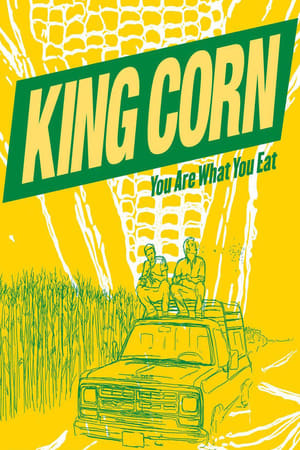
King Corn is a fun and crusading journey into the digestive tract of our fast food nation where one ultra-industrial, pesticide-laden, heavily-subsidized commodity dominates the food pyramid from top to bottom – corn. Fueled by curiosity and a dash of naiveté, two college buddies return to their ancestral home of Greene, Iowa to figure out how a modest kernel conquered America. With the help of some real farmers, oodles of fertilizer and government aide, and some genetically modified seeds, the friends manage to grow one acre of corn. Along the way, they unlock the hilarious absurdities and scary but hidden truths about America’s modern food system in this engrossing and eye-opening documentary.
Steel giant Thyssen Krupp in Germany and cargo ship operator Maersk in Denmark are investing huge sums of money with public support to convert their huge and dirty energy consumption to ‘green’. Hydrogen plays a central role in this. At the same time, countries in Africa such as Morocco and Namibia are gearing up to become giga-suppliers of the new energy source. But does it all make sense? Why not just produce green steel in Africa? And what's the story behind the blue hydrogen that is supposed to come from Norway via pipeline? The film follows pioneers on breathtaking projects and shows that the energy transition is more complicated than expected and holds many surprises in store.
Behind the scenes at the confectionery company's base in Bournville near Birmingham as staff gear up for the festive season, hitting the factory floor to discover how popular treats Roses are made, with the focus on the creation of the hazelnut in caramel. Historians and Cadbury insiders tell the story of how Cadbury first turned Britain on to festive chocolate, while Santa and his team prepare for the rush at Cadbury World.
The story of government chemist Dr. Harvey Wiley who, determined to banish dangerous substances from dinner tables, took on the powerful food manufacturers and their allies.
The Secrets of Coca-Cola
In the 1920s, Western Electric Company ordered a series of studies to be conducted at their plant in Cicero, Illinois. At first they wanted to see how lighting affected productivity on the factory floor. Researchers also interviewed employees to hear their ideas and opinions about company policies, management, and other subjects. These were the Hawthorne studies, landmark research in industrial and organizational psychology. In the early 1970s, some of the participants of this study—researchers and workers alike--reunited and reminisced about their involvement.
Gardons la banane !
Paquebots les secrets de construction d'un géant des mers