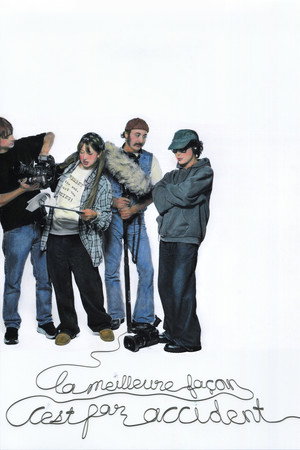
After the death of her "father," a young filmmaker delves back into her video archives only to realize she never filmed him—except once, by accident. Now, on the brink of the apocalypse, she strives to capture the extraordinary within the ordinary… which is itself destined to disappear.
A documentary about direct-cinema from its very beginnings (Nanook of the North) to the fake-direct-cinema of the Blair Witch Project. All the important direct-cinema filmmakers are portrayed and/or interviewed: Leacock, Wiseman, Maysles, Pennebaker, Reisz and others.
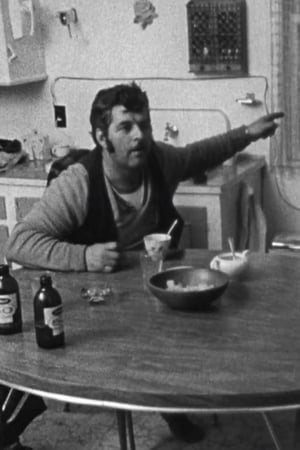
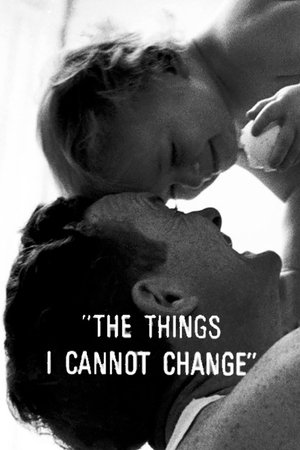
"This feature documentary is considered to be the forerunner of the NFB's Challenge for Change Program. The film offers in inside look at 3 weeks in the life of the Bailey family. Trouble with the police, begging for stale bread, and the birth of another child are just some of the issues they face. Through it all, the father tries to explain his family's predicament. Although filmed in Montreal, the film offers an anatomy of poverty as it occurs throughout North America." - NFB
Feature-length documentary as part of Pierre Perrault's Abitibian Cycle. The filmmaker questions the past and present of Abitibi and draws up, face to face, the promises of colonization in the 1930s and the great disappointment caused by the closing of the land in the 1970s. There are witnesses to the heroic era, including the cultivator Hauris Lalancette, as well as extracts from films by Father Maurice Proulx (1934-1940).
Michel Brault, l'instinct de vue
"This film is one of the first French Unit productions of the “Société Nouvelle/Challenge for Change” program. When an old area of Montréal is to be demolished to make way for a new low-income housing development, is there anything the residents can do to protect their own interests? The film documents such a situation in the Little Burgundy district of Montréal and shows how the residents organized themselves into a committee that successfully influenced the city’s housing policy." - Anthology Film Archives
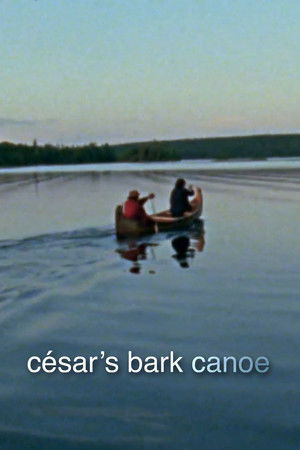
"This documentary depicts a canoe being built in the traditional manner. Cesar Newashish, a 67-year-old Attikamek of the Manawan Reserve North of Montréal, uses only birchbark, cedar splints, spruce roots, and gum. With a sure hand he works methodically to fashion a craft unsurpassed in function or beauty of design. Building a canoe solely from the materials that the forest provides may become a lost art, even among the Native Peoples whose traditional craft it is. The film is free of spoken commentary but text appears on the screen in Cree, French, and English." - Anthology Film Archives
"Montréal under the snow and the cold winter. It is the period of the year when the garage owners strike it rich. The automobile at the service of man? This small opus would rather show the contrary. This is one in a series of eight films titled “Chronicle of Everyday Life,” a project that filmmaker Jacques Leduc took four years to realize, and whose goal was to revisit Direct Cinema at a moment when it was already heavily “contaminated” by mainstream TV." - Anthology Film Archives
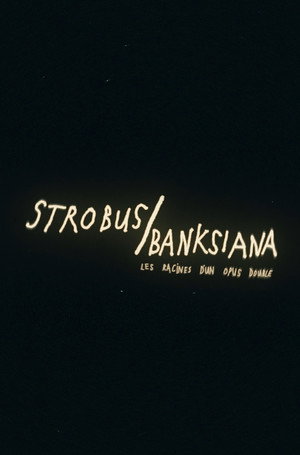
A first look at Strobus / Banksiana: a musical and visual work supported by two important protagonists of the Quebec forest: the white pine and the jack pine. Duu's second album, first double album : each half is distinguished by its sonic palette, its writing style, and the type of conifer that surrounds it. This short documentary offers an intimate glimpse into the creator's journey through the paths that led him to conceive this personal diptych, where he embraces his duality in this visceral desire to celebrate nature every day.
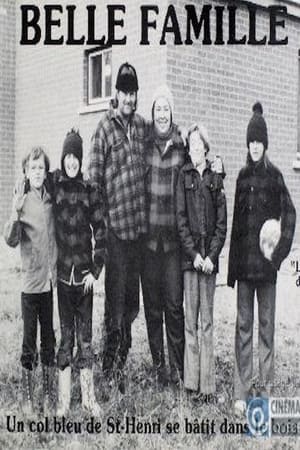
A working class family leaves St-Henri quarter in Montréal to build a new home in the countryside.
To commemorate the 75th anniversary of D-Day, this special presents the key events of the Allied invasion of Nazi-held Europe and the subsequent battles that captured the control of the Normandy coast. Some of the last surviving veterans recall in detail the terror, patriotism and drama from the frontlines of war. This special also honors the diverse backgrounds of all who served.
Part two of Leni Riefenstahl's monumental examination of the 1938 Olympic Games, the cameras leave the main stadium and venture into the many halls and fields deployed for such sports as fencing, polo, cycling, and the modern pentathlon, which was won by American Glenn Morris.
An evocation, realistic and poetic at the same time, of Proust's work " in which he is locked up as in the room ". Halfway between the audiovisual adaptation and the portrait of the dandy and reclusive writer, all in black and white signed Claude Santelli, evoking the mystery, the intimate, and the fatality of existence.
Dr. Friedman states, "There is not a single person in the world who can make this pencil." He explains that the creation of even a simple object - like the "lead" pencil - requires the knowledge of many people, lumberjacks, steel manufacturers, miners, etc. These people may not speak the same language, they may not know or like one another, yet the market enables them to combine knowledge and effort to produce wealth.
A dive into the passion, determination, and adrenaline fueled world of competitive waterskiing, and the people who give their lives to it.
Filmmakers Alan and Susan Raymond spent three months in 1976 riding along with patrol officers in the 44th Precinct of the South Bronx, which had the highest crime rate in New York City at that time.
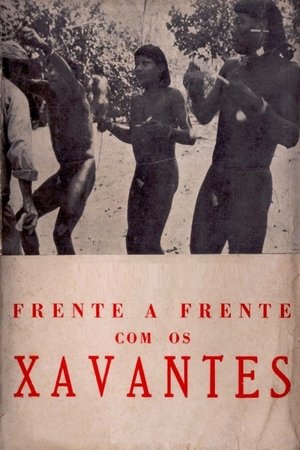
Castelar e Nelson Dantas no País dos Generais
All American High is a documentary film directed by Keva Rosenfeld that chronicles the life of the 1984 senior class at Torrance High School. The film is narrated by the Finnish exchange student “Rikki” Rauhala and observes 1980’s high school culture from a foreigner’s perspective.
Documentary examining the life and career of producer/director Roger Corman. Clips from his films and interviews with actors and crew members who have worked with him are featured.
Zhao Liang’s film portrays AIDS sufferers of both genders; they are all people with very different biographies. As if it wasn’t bad enough being infected by HIV, their suffering is compounded by the fact that in the People’s Republic of China the disease is hushed up and people living with AIDS are ostracised. In China, the public at large knows very little about the disease and most people associate the virus with promiscuity. This fear of discrimination forces most patients to hide the fact that they are positive. The AIDS sufferers in Zhao Liang’s film were willing to share their experiences with him. The filmmaker was able to make contact with them via internet support groups; he also visited children with Aids at a ‘red ribbon’ school; but above all, he talked to AIDS sufferers during the making of Gu Changwei’s film. It is their presence which lends Changwei’s film its particular authenticity.