A donkey strays into a village dominated by the upper caste Brahmins.
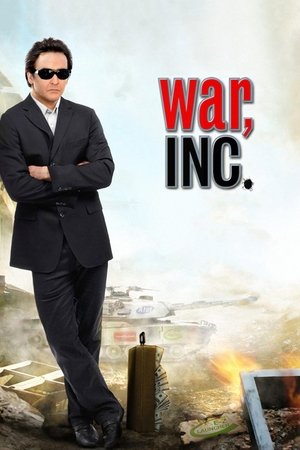
The U.S. President, low in the opinion polls, gets talked into raising his popularity by trying to start a cold war with Canada.
Increasingly overshadowed by her boyfriend's recent rise to fame as a contemporary artist creating sculptures from stolen furniture, Signe hatches a vicious plan to reclaim her rightfully deserved attention within the milieu of Oslo's cultural elite.
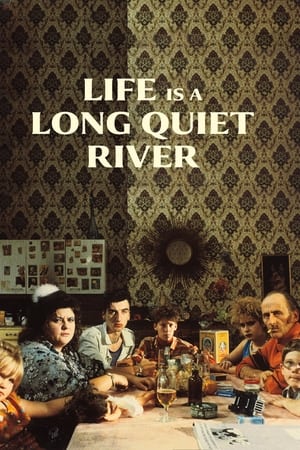
Two babies are switched at birth. When the mistake is discovered 12 years later, it leads to complications in the lives of both families. One family is affluent, with dutiful and (apparently) contented children. The other family is poor, with rambunctious (even delinquent) children, often hungry, but with lots of laughter in the house.
Based on the novel of same name by K. Shivaram Karanth. Sarasamma, a woman who lost her life in the practice of Sati, is worshiped by women in troubled relationships. The movie shows the stories centered to these women and societal issues faced by them.
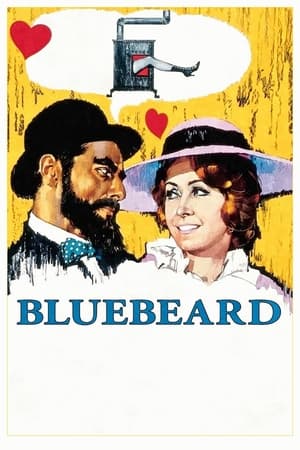
Paris, France, during the First World War. While thousands of soldiers die every day on the battlefields, Henri Landru, a seemingly respectable furniture dealer, married and father of four children, relentlessly feeds his own sinister factory of death.
A group of strangers gather for a surprise party.
The Marquis de la Chesnaye and his wife host a weekend gala where a variety of complicated romantic and social entanglements between guests and servants lead to tragedy, all against the backdrop of a looming war.
Paula, a young supporting character, studies at the Main Character School and dreams on graduating to become a lead.
Hollywood, 1930s. Tod Hackett, a young painter who tries to make his way as an art director in the lurid world of film industry, gets infatuated with his neighbor Faye Greener, an aspiring actress who prefers the life that Homer Simpson, a lone accountant, can offer her.
Documentary on Les Charlots, known as The Crazy Boys in the English-speaking world, a group of French musicians, singers, comedians and film actors who were popular in the 1960s, 1970s, and early 1980s.
Jewish family man Marvin leaves his wife and son for a male lover during the height of the AIDS crisis in 1980s New York City.
A story about Janina Duszejko, an elderly woman, who lives alone in the Klodzko Valley where a series of mysterious crimes are committed. Duszejko is convinced that she knows who (or what) is the murderer, but nobody believes her.
A new servant embarks on an unlikely relationship with the youngest daughter of a prominent English family. Simultaneously, rivalries are spilling over in the Davenport family, led by the Lord and Lady as they also weather the epic failure of the wedding of their eldest daughter to her caddish cousin.
A teacher named Basudev Kattel who is suffering from poverty seeks to his friend named Kumar than he realized Kathmandu is filled of corruption.
Battling against the legacy of childhood trauma, internalised misogyny, and the image-obsessed fat shaming of the LA music business, aspiring singer-songwriter Frankie Ramirez finally snaps, with bloody results.
At WC Boggs' Lavatory factory, Vic Spanner is the union representative who calls a strike at the drop of a hat. However, eventually everyone gets fed up with him.
The US President and the UK Prime Minister are planning on launching a war in the Middle East, but—behind the scenes—government officials and advisers are either promoting the war or are trying to prevent it.
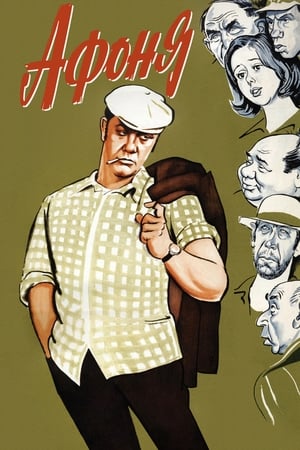
The 1975 film by Georgi Daneliya "Afonya" was an unexpected commercial hit in USSR. The main character "Afonya" Borshev is a plumber, who spends his life partying with "buddies", many of whom he doesn't even remember after nights of heavy drinking. His wife leaves him, his boss places him on probation, his whole life is falling apart, but he doesn't realize it. Afonya met Katya at a dance club, yet didn't pay her much attention. But she is the one, who can save him... In this movie Daneliya achieves a perfect balance of satire and drama. Quotes from the movie gained a cult status in USSR.
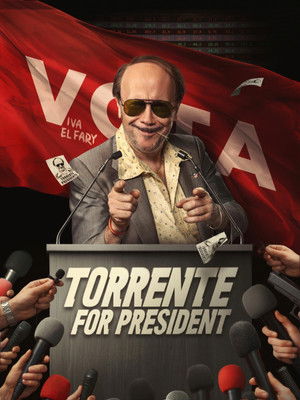
An underprivileged hairdresser becomes the game changer in a local body election in a village where caste politics rules the roost. Will he be able to bring some changes to people's lives?