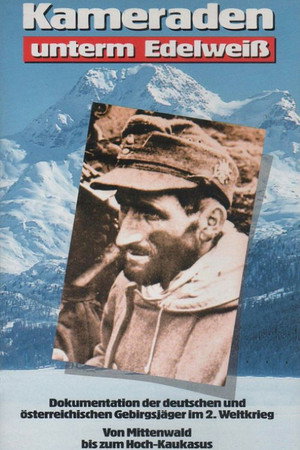
This rare documentary was filmed with the participation and personal camera of Wolfgang Gorther, a German military cinematographer of the 1st mining division, who participated in the legendary ascent of Elbrus on the night of August 21, 1942. From the beginning of the Second World War and the last international winter sports week in Garmisch-Partenkirchen follows the invasion of the German troops into the Soviet Union: Dnieper, Zaporozhy, Kharkov, Rostov-on-Don, Nogaean Steppe, Caucasus – fighting at 50 degrees below zero, military expedition into the world of ice and snow; – ascent of mountain arrows and subsequent hoisting of flags on the Elbrus at an altitude of 5,633 meters.
A travelogue set in the jungles of Borneo.
From the underground and alternative new media art scene to mainstream giant events for hundreds of thousands of visitors, "Visualist, those who see beyond" tells the untold History of audiovisual art
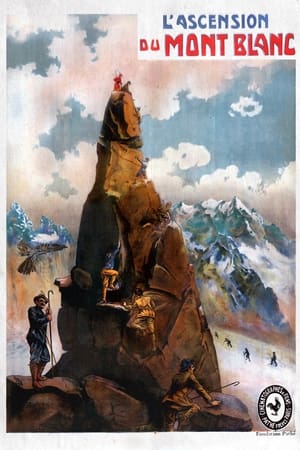
Joseph Vallot and his team of guides and porters climb Mont Blanc in 1906. Their ascent will take three days. They spent their nights at the Grands Mulets refuge and the Grand Plateau refuge. This is the very first successfully filmed ascent. Joseph Vallot (1854-1925), rich heir of Lodève in Occitania. He devotes part of his fortune to the observation of the Alps, sometimes opposing the scientific community. He built an observatory, still standing today.
1906, produced by Charles Urban, cinematography by Frank Ormiston-Smith.
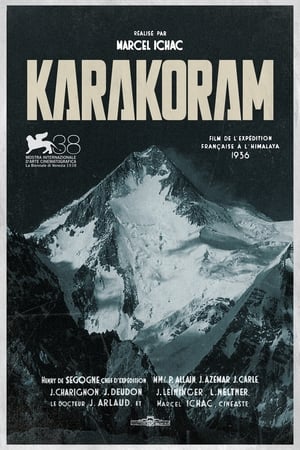
Account of the first French expedition to the Himalayas, which attempted to climb the hidden peak (Gasherbrum I) in 1936, from the preparations for the trip to the end of the ascent. After a long approach walk through quasi-desert regions, then on a huge glacier, the caravan of 700 porters arrives at the foot of Hidden Peak. The expedition was led by Henry de Ségogne, with Jean Charignon, Pierre Allain, Raymond Leininger, Jean Carle, Jean Deudon, Louis Neltner, Jacques Azémar, doctor Jeand Arlaud and director Marcel Ichac. Weather conditions, logistical problems and a strike among Sherpas forced the team to retire at 6900m on the south face. The film received the Silver Lion at the Venice Film Festival in 1938.
Kevin Basko of Rubber Band Gun discusses his creative process and musical insights while recording his album En Passant.
The long awaited documentary about Sepultura's incredible journey from Brazil to the world.
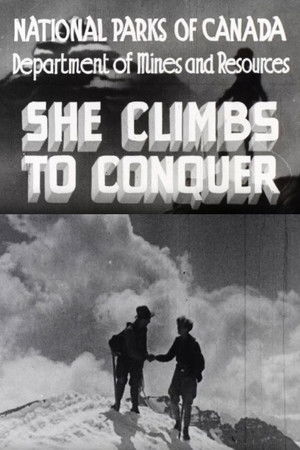
"She Climbs to Conquer" shot by W.J. Oliver, was a noteworthy film which gained well merited acclaim. Made in 1933 it pictured the climb of Georgia Engelhard, a professional mountain climber, from Abbot's Pass to the peak of Mount Victoria.
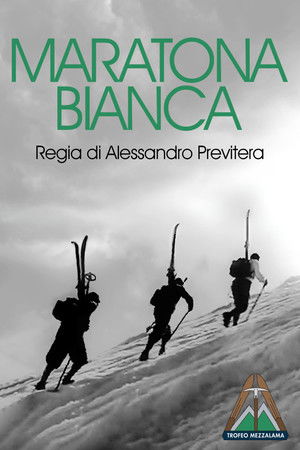
Documentary on one of the first editions of the Trofeo Mezzalama, the highest ski mountaineering race in Europe, at more than 4,200 meters above sea level, which takes place on the glaciers of Monte Rosa, from Breuil to Gressoney-La-Trinité, crossing the summits of Castor (4,199 meters) and Nez du Liskamm (4,100 meters). The film recounts the last hours of feverish preparation before the start, the teams preparing for the race linked in ropes, then follows the stages of the competition by following the groups of skiers from a plane. Created in 1933, the Trofeo Mezzalama was contested until 1938, before falling into oblivion during the war. A second version was organized from 1970 to 1973. A third biannual version has been organized since 1997.
The story behind the production of "Il Kapitano: Una dedica a Francesco Silvestre" (2025)
Qué te debo, Malcolm?
One of the most significant cases in European archaeology is the grave of the shaman woman of Bad Dürrenberg, a key finding of the last hunter-gatherer groups. From a time when there were no written records, this site was first researched by the Nazis, who saw a physically strong male warrior from an ‘original Aryan race’ in the buried person. It was, in fact, the most powerful woman of her time. The latest research shows that she was dark-skinned, had physical deformities, and was a spiritual leader. The documentary – using high-end CGI and motion capture – compares the researchers of the Nazi era, who misrepresented and instrumentalised their findings, to today’s researchers, who meticulously compile findings and evidence, and use cross- disciplinary methods to examine and evaluate them. It also substantiates the theory of the powerful roles women played in prehistoric times. The story of this woman, buried with a baby in her arms, still fascinates us 9,000 years after her death.
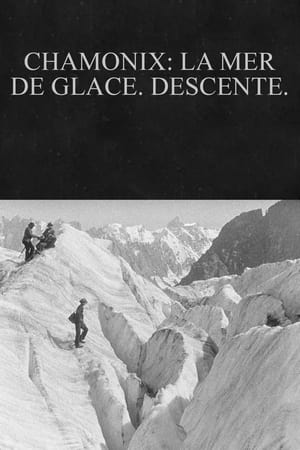
Four roped men descend through the seracs of the Mer de Glace. One of them falls and has to be hoisted. The shot belongs to a collection of scenes that were presented together as a kind of travelogue film under the title of 'Voyages animés' in a diorama pavilion in the Universal Exhibition of Paris of 1900. The mountaineering scenes in this series include four scenes in the Mer de Glace and one in the Meije glacier. These five scenes, under a minute long, are the first mountaineering images ever filmed. Several of the 'Voyages animés' scenes were included in the Lumière catalog in 1901 under the title of 'À travers la France'.
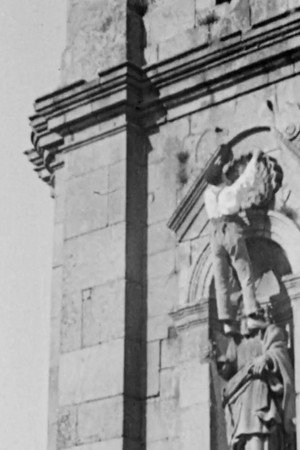
Escalada à Torre dos Clérigos
A documentary about the urban rock musicians at Mexico during the 80's.
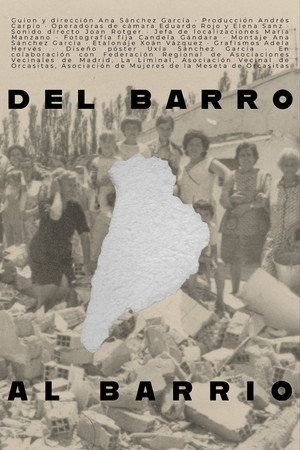
Del barro al barrio
Coleccionistas
A tour of Granada offers glimpses into the daily life of the 70,000 Granadans who once inhabited the city. Crossing the city from the Alhambra hill, you'll encounter churches, fountains, the Darro River, donkeys wandering the streets, gypsy women, courtyards, archways, and women in their traditional mantillas. The city center, with areas like Reyes Católicos, Plaza Nueva, and Cuesta de Gomérez, is easily recognizable, as are the Sacromonte caves, where Holmes found gypsy women who were "less picturesque" than he had expected.
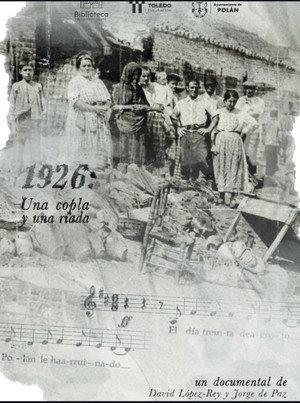
It commemorates the centenary of the tragic flash flood of August 30, 1926, in the municipality of Polán (Toledo), caused by the overflowing of the Conde Stream. The overflowing left five people dead, including three minors. The narrative centers on a traditional *copla* composed in 1926 by a local resident as both a lament and a source of solace in the wake of the tragedy.